
Is Citronella Safe for Babies? The Short Answer
When protecting your baby from mosquito bites, especially in a tropical climate like the Philippines where dengue fever is a constant concern, finding a safe and effective repellent is a top priority. Many parents naturally turn to citronella, a plant-based essential oil, assuming that “natural” automatically means safe for delicate infant skin. However, the reality is that natural does not guarantee safety, and citronella must be used with extreme caution around babies.
Whether citronella is safe for your baby depends heavily on their age, the concentration of the product, and how it is applied. Topical application of citronella-based products is generally not recommended for newborns and very young infants. Additionally, while citronella can repel mosquitoes, it evaporates rapidly, providing a much shorter window of protection than registered chemical alternatives. In high-risk dengue areas, this brief efficacy is a critical drawback, as a single bite from an infected mosquito can have severe health consequences. Before introducing any citronella product to your infant’s routine, you should always consult your pediatrician to ensure it is appropriate for their specific developmental stage.
Why Babies Are More Vulnerable to Essential Oils
An infant’s body is not simply a smaller version of an adult’s; their physiological systems are still developing, making them highly susceptible to the potent compounds found in essential oils. A baby’s skin is structurally different from adult skin. The outer layer, or stratum corneum, is significantly thinner and more permeable, which dramatically increases the rate and depth of skin absorption. Combined with a baby’s high surface-area-to-body-weight ratio, topical application of concentrated oils can lead to rapid systemic absorption, potentially overwhelming their immature metabolic systems and causing allergic contact dermatitis.
Products mentioned in this guide
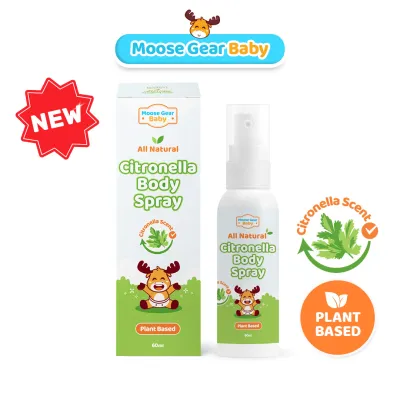
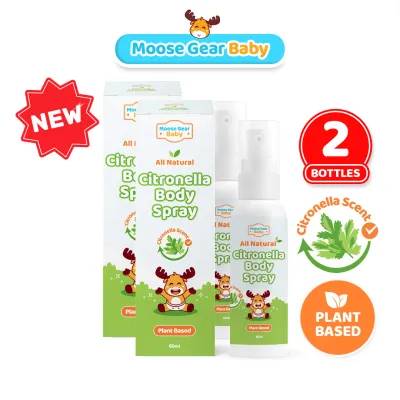
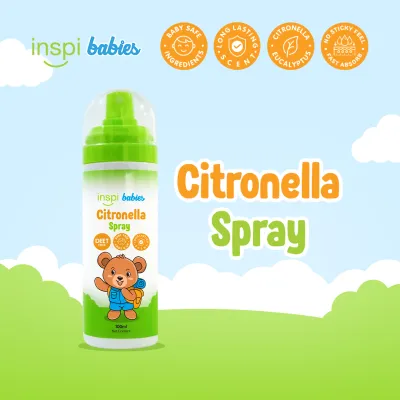
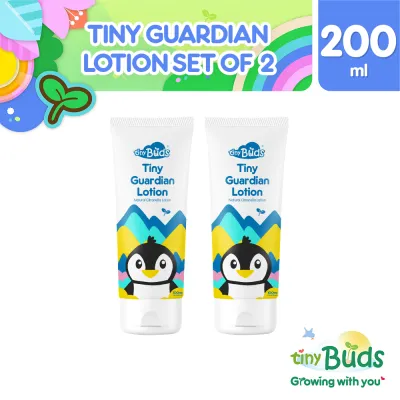
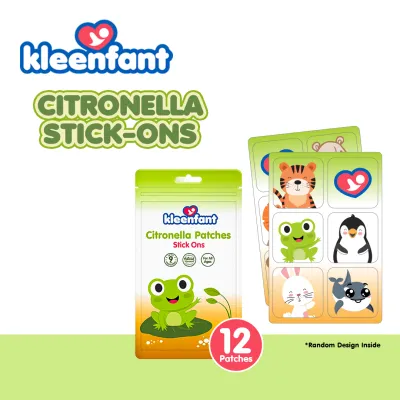
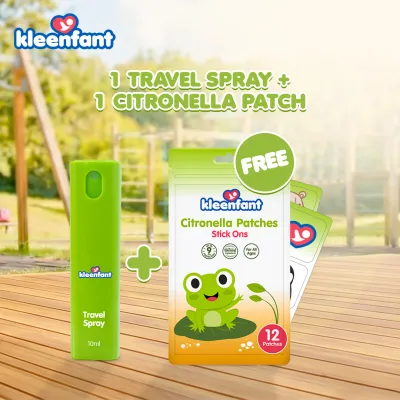
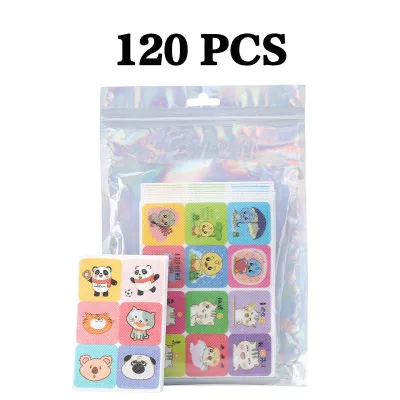
Prices are valid at publication and may change. Please refer to the product page for the latest price.

In addition to skin sensitivity, a baby’s respiratory system is highly delicate and easily irritated. Citronella products release volatile organic compounds (VOCs) into the air to mask the chemical cues that attract mosquitoes. While adults may find these citrusy aromas pleasant, an infant’s narrow airways can react strongly to intense scents. Inhaling concentrated airborne particles can trigger coughing fits, sneezing, watery eyes, or even acute airway irritation and wheezing, particularly in babies with a family history of asthma or reactive airway disease.
It is also vital to distinguish between pure citronella essential oil and commercially formulated baby lotions or sprays. Pure essential oil is highly concentrated and should never be applied directly to a baby’s skin or added to their bathwater. Commercial formulations are heavily diluted and often mixed with carrier oils or gentle lotions, but even these commercial products carry risks and must be vetted carefully before use.
Age Restrictions and Safe Application Guidelines
To protect your baby effectively without compromising their health, you must understand the proper boundaries of use, including how the product is delivered and the age of your child.
Skin Application vs. Environmental Use
There is a major difference between applying a citronella lotion directly to your baby’s skin and using environmental repellents like candles, diffusers, or spatial sprays in the room. Direct skin application poses the highest risk of allergic reactions and systemic absorption. Environmental options, while avoiding direct skin contact, still introduce concentrated scents into the baby’s breathing zone. If you choose to use spatial repellents, ensure the room is well-ventilated and keep the emission source far away from where your baby sleeps or plays to minimize respiratory irritation.
Checking Age Limits and Product Labels
Before purchasing or applying any repellent, you must carefully inspect the product packaging for explicit manufacturer warnings and age restrictions. Many pediatric health organizations advise against applying any topical essential oil-based repellents on infants under six months of age. Never assume a product is safe for a newborn simply because it is marketed as “natural” or features baby-friendly branding. Always verify the specific age guidelines printed on the label, and cross-reference these with current recommendations from local health authorities or your pediatrician.
Best Practices for Safe Application
If your pediatrician confirms that a specific, commercially formulated citronella product is safe for your baby’s age group, follow these strict application steps to minimize risks:
- Perform a patch test: Apply a tiny, pea-sized amount of the product to a small, clear area of the baby's skin, such as the inner forearm or thigh. Monitor the spot closely for 24 hours to check for any signs of redness, swelling, or irritation before applying it more broadly.
- Apply to clothing instead of skin: Whenever possible, spray or rub the repellent onto the outside of your baby's clothes rather than directly onto their bare skin. Ensure the fabric is completely dry before putting the clothes on your baby.
- Avoid high-risk areas: Never apply repellent to your baby's hands, as infants frequently put their hands in their mouths and eyes. Avoid the face, eyes, mouth, and any areas with cuts, scrapes, or irritated skin.
- Do not use DIY blends: Avoid making homemade mosquito repellents using pure essential oils. Without professional laboratory equipment, it is impossible to guarantee a safe dilution ratio, which can easily lead to accidental chemical burns or severe allergic reactions on your baby's sensitive skin.
Side Effects to Watch For and When to Stop
Even when you follow all safety guidelines, adverse reactions can still occur. Parents must remain vigilant and know how to identify the warning signs of a negative reaction.
Skin irritation is the most common side effect of topical citronella use. Watch for localized redness, raised bumps, hives, dry or peeling patches, or signs that your baby is uncomfortable, such as scratching or rubbing the application site. If you notice any of these signs, stop using the product immediately.
Respiratory and sensory distress can manifest quickly when citronella is used in the environment or applied near the face. Be alert for sudden coughing, wheezing, sneezing, watery or bloodshot eyes, or unusual fussiness and irritability while the scent is present.
If you suspect your baby is having a reaction, take immediate action:
- Remove the source: Move your baby to a well-ventilated area with fresh air immediately.
- Wash the skin: Gently wash the affected skin with lukewarm water and a mild, fragrance-free baby soap to remove any remaining product residue. Do not scrub the skin, as this can worsen irritation.
- Monitor closely: Keep a close eye on your baby's breathing and skin condition over the next few hours.
Seek professional medical help immediately if the rash spreads rapidly, if your baby exhibits any breathing difficulties (such as rapid breathing, chest retractions, or grunting), or if the product is accidentally ingested or rubbed directly into their eyes.
Safer Alternatives for Infant Mosquito Protection
Given the limitations and potential risks of citronella, relying on safer, highly effective alternatives is often the best course of action for protecting infants, especially in tropical regions where mosquito-borne diseases are prevalent.
Physical Barriers
Physical barriers are the safest and most effective way to protect babies of all ages from mosquito bites without any chemical exposure.
- Mosquito nets (kulambo): Use fine-mesh mosquito nets over your baby's crib, playpen, stroller, and infant carrier. Ensure the net is securely draped and does not sag near the baby's face to avoid any suffocation hazards.
- Protective clothing: Dress your baby in lightweight, loose-fitting, light-colored clothing that covers their arms and legs. Light colors are less attractive to mosquitoes and make it much easier to spot any insects that land on the fabric.
Environmental Controls
Controlling the immediate environment helps reduce the presence of mosquitoes around your home.
- Air conditioning and fans: Running an air conditioner or an electric fan in your baby's room is highly effective. Electric fans create a strong breeze that physically disrupts mosquito flight, making it difficult for them to land and bite.
- Window and door screens: Ensure all window and door screens in your home are intact and free of holes to prevent mosquitoes from entering.
- Eliminating standing water: Regularly inspect your home and yard for standing water in flower pot saucers, buckets, clogged gutters, or discarded containers. Emptying these water sources disrupts the breeding cycle of the Aedes mosquito, which transmits dengue.
Registered Chemical Repellents
For babies older than two months, pediatric guidelines generally permit the use of registered chemical repellents containing active ingredients like DEET or Picaridin. These ingredients are thoroughly evaluated for safety and efficacy, providing long-lasting protection that is crucial in high-risk dengue areas.
However, parents must verify the exact minimum age, safe concentration limits, and application instructions with their pediatrician or by reading the product label. Never apply these chemical repellents to babies under two months of age, and always prioritize physical barriers first.
Frequently Asked Questions (FAQ)
Can I burn citronella candles in my baby's room?
No, you should not burn citronella candles inside your baby’s room. Burning candles releases smoke, soot, and particulate matter into the air, which can severely irritate your baby’s sensitive lungs and trigger respiratory issues. Additionally, open flames and hot wax present a serious safety and fire hazard around infants. If you want to use citronella candles, restrict their use to outdoor spaces like patios or balconies, keeping them well away from your baby’s immediate breathing zone and out of their physical reach.
Are citronella patches or stickers safe for infants?
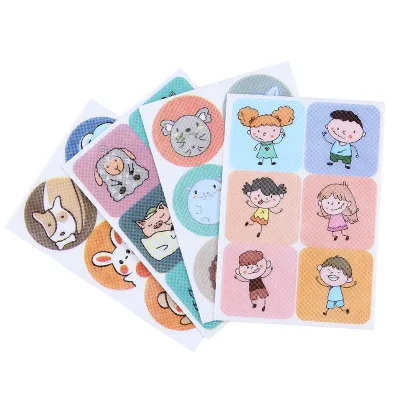
Citronella patches or stickers are often marketed as a safer alternative because they apply to clothing or strollers rather than directly to the skin. While they do bypass the risk of skin absorption, they still release concentrated essential oil vapors that can irritate your baby’s respiratory system. Furthermore, these stickers pose a significant choking hazard. If a baby manages to peel off a sticker, they may put it in their mouth. If you choose to use patches, always place them on the back of your baby’s clothing or on the outer frame of a stroller where your baby cannot see, reach, or peel them off, and ensure constant caregiver supervision.
What should I do if my baby accidentally ingests citronella?
If your baby accidentally ingests any citronella product, treat it as a medical emergency. Do not attempt to induce vomiting, as this can cause the essential oil to enter their lungs, leading to severe chemical pneumonia. Immediately wipe your baby’s mouth with a clean, damp cloth to remove any remaining residue, and give them a few sips of water if they are conscious and able to swallow. Seek emergency medical care immediately or contact a poison control center, and make sure to bring the product packaging with you so the medical professionals know the exact ingredients and concentration involved.
Community discussion
Share your experience or ask a question. Comments are reviewed before publication.