
Direct Safety Assessment: Is Citronella Safe for Babies?
When protecting infants from mosquito bites, caregivers often look for natural alternatives to synthetic chemicals. Citronella, a popular plant-derived essential oil, is frequently marketed as a gentle, botanical solution. However, natural ingredients are not automatically safe for developing skin and respiratory systems. The safety of citronella is highly conditional, depending heavily on the infant’s age, the concentration of the oil, and individual skin sensitivity.
For newborns and young infants under six months of age, pediatricians generally advise against applying any topical insect repellents, including those containing citronella. At this early stage of development, a baby’s skin and metabolic systems are still highly immature. Parents must always consult a pediatrician before introducing any new repellent product to their baby’s routine, especially during high-risk seasons. This article explores how to evaluate commercial labels, understand skin risks, apply products safely under proper guidance, and implement highly effective physical and environmental alternatives to keep your little one safe.
Understanding Infant Skin Sensitivity to Essential Oils
To understand why citronella requires extreme caution, it is necessary to examine the unique physiology of infant skin. A baby’s skin is structurally different from adult skin in several key ways. The stratum corneum, which serves as the skin’s protective outer barrier, is significantly thinner in infants. This structural difference, combined with a higher ratio of surface area to body weight, leads to a much higher rate of transepidermal absorption. Consequently, substances applied to an infant’s skin are absorbed more deeply and rapidly into their systemic circulation, increasing the risk of adverse reactions.
Products mentioned in this guide
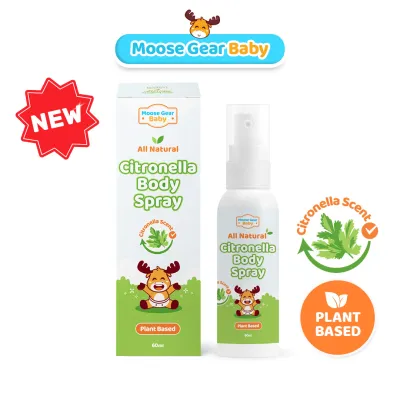
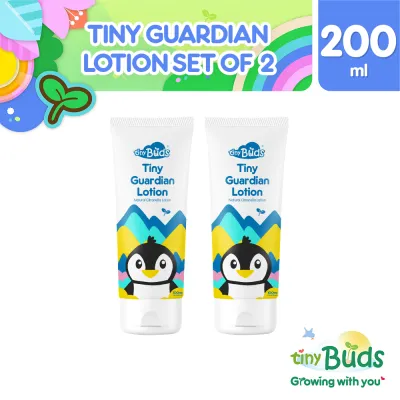
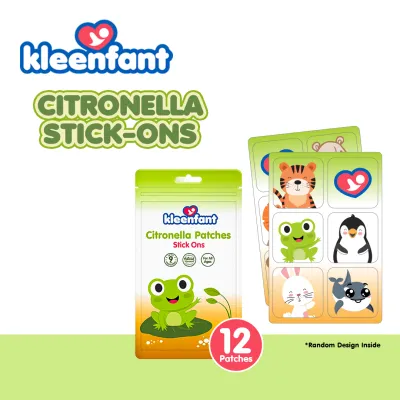
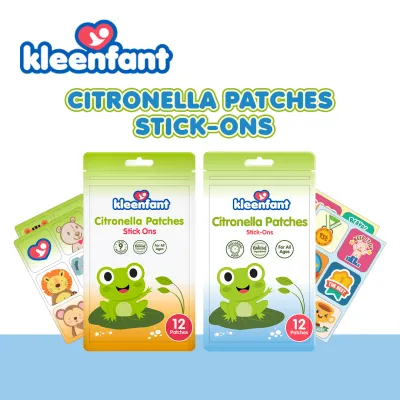
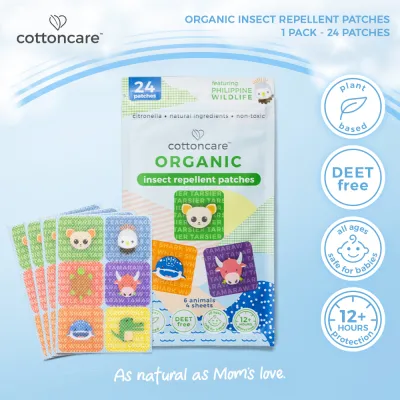
Prices are valid at publication and may change. Please refer to the product page for the latest price.

The primary dermatological risk associated with topical citronella use is contact dermatitis. This condition manifests as localized skin irritation, characterized by redness, swelling, warmth, dry or flaky patches, and sometimes tiny blisters. Because infants cannot verbally communicate sensations of burning, stinging, or itching, an adverse reaction may only be signaled by sudden, inconsolable crying or fussiness after product application. These potential risks require careful observation rather than self-diagnosis, and any persistent skin changes should be evaluated by a medical professional.
In addition to skin sensitivity, the volatile organic compounds that give citronella its distinctive citrus scent pose respiratory risks. An infant’s respiratory system is highly sensitive to strong botanical odors. Inhaling concentrated vapors, especially in enclosed spaces or when the product is applied too close to the face, can irritate the baby’s airways. This irritation can lead to immediate coughing, sneezing, watery eyes, or respiratory discomfort, particularly in babies with a family history of asthma or reactive airway disease.
Decoding Product Labels and Age Restrictions
When shopping for mosquito protection, caregivers must learn to decode commercial product labels critically. Never assume a product is safe for your baby simply because it features images of infants or contains words like “natural” or “organic.” Instead, look for explicit manufacturer age guidelines on the packaging, such as “not for use on infants under 6 months” or “suitable for children over 2 years.” These warnings are based on safety formulations and must be strictly followed to prevent accidental exposure or toxicity.
Always verify the exact ingredients and the concentration of citronella oil in the formulation. Pure, undiluted citronella essential oil must never be applied directly to a baby’s skin or clothing, as it can cause severe chemical burns and systemic irritation. Safe, commercially prepared baby products dilute the essential oil to very low, controlled percentages within a gentle carrier base, such as sunflower oil, coconut oil, or a mild lotion. Additionally, check for inactive ingredients like synthetic fragrances, alcohol, or parabens, which can further dry out or irritate delicate infant skin.
Caregivers should also maintain a healthy skepticism toward marketing claims such as “pediatrician-tested,” “hypoallergenic,” or “dermatologically approved.” While these terms suggest that the manufacturer has conducted some level of skin compatibility testing, they are not standardized medical certifications. They do not guarantee that your specific child will not experience an allergic reaction. These claims should never replace personalized medical advice from your pediatrician, nor should they override the explicit age limits printed on the product packaging.
Step-by-Step Precautions for Safe Application
If your pediatrician approves the use of a specific, age-appropriate citronella product, executing a careful application strategy is essential to minimize risks. First, check the applied product’s label and the treated item’s manufacturer instructions. If instructions conflict, the item is unidentified, or the use is not covered, stop and consult the manufacturer or a qualified professional before proceeding. Never apply any product without first verifying its compatibility with both your child and the materials involved.
Before applying the product widely, perform a localized patch test. Apply a tiny, pea-sized drop of the diluted product to a small, clean area on the baby’s leg or outer arm. Monitor this specific spot closely for 24 hours, watching for any signs of redness, swelling, or irritation. It is vital to remember that a successful patch test is a helpful observation tool but does not replace or override the manufacturer’s suitability instructions or age restrictions. If any irritation occurs, discontinue use immediately.
To minimize direct skin exposure, consider applying the repellent to the exterior of the baby’s clothing, stroller fabric, or stroller canopy rather than directly to their skin. Before doing so, check the fabric care instructions of the treated items to ensure the oil-based formulation will not stain or damage the material. When applying directly to the skin is necessary, observe strict avoidance zones. Never apply repellent to the baby’s hands, fingers, or wrists, as infants frequently place their hands in their mouths or rub their eyes, which can lead to accidental chemical ingestion or severe eye irritation. Avoid the face, mouth, eyes, and any areas of broken, scraped, sunburnt, or eczematous skin.
If the product label explicitly permits facial application, use an indirect method. Never spray a repellent directly onto a baby’s face. Instead, spray or squeeze a small, controlled amount onto your own palms first, rub your hands together, and then gently pat the product onto the baby’s outer cheeks and forehead. Be extremely careful to avoid the sensitive areas surrounding the eyes, nose, and mouth. Once your baby returns indoors and is no longer exposed to mosquitoes, wash the treated skin thoroughly with mild baby soap and lukewarm water to remove all residual oils and prevent prolonged skin contact.
Warning Signs: When to Stop Use and Seek Help
Caregivers must remain highly vigilant and monitor their baby closely during and after the use of any repellent product. Immediate warning signs of an adverse reaction include the sudden appearance of hives, intense redness, localized swelling, blistering, or skin that feels unusually warm to the touch. Behavioral changes, such as sudden irritability, rubbing the application site, or excessive, unexplained crying, are also strong indicators that the product is causing discomfort or pain.
If you observe any of these warning signs, stop using the product immediately and initiate low-risk first-aid steps. Carefully remove any clothing that has come into contact with the repellent to prevent ongoing exposure. Gently wash the affected skin areas with mild, fragrance-free baby soap and cool or lukewarm water, taking care not to scrub or rub the irritated skin roughly. Pat the skin dry with a clean, soft towel and monitor the baby closely in a comfortable, well-ventilated room.
Certain symptoms indicate a severe reaction that cannot be managed at home. Seek immediate emergency medical attention or consult your pediatrician if your baby exhibits signs of respiratory distress, such as rapid breathing, wheezing, flaring nostrils, or chest retractions. Swelling of the face, lips, tongue, or throat, or any suspicion that the baby has accidentally ingested the citronella product, requires urgent professional medical evaluation. Do not attempt to administer home remedies or topical anti-itch creams without a doctor’s direct guidance.
Effective Alternatives for Mosquito Protection in the Philippines
In the tropical climate of the Philippines, protecting infants from mosquito bites is a critical health priority, particularly during the rainy season from June to December when dengue fever transmission risks peak. Because botanical repellents like citronella provide limited protection, physical barriers serve as the safest, most reliable first line of defense for young babies. Utilizing a tightly woven, breathable baby mosquito net (locally known as a kulambo) over cribs, playpens, and strollers effectively blocks insects without exposing your baby’s delicate skin or airways to chemical or botanical formulations.
Dressing your baby appropriately for the warm, humid weather while maintaining maximum coverage is another highly effective strategy. Choose lightweight, loose-fitting, long-sleeved shirts and long pants made of breathable natural fibers like cotton or bamboo. These garments allow proper airflow to prevent heat rash while physical covering minimizes the skin surface area available to mosquitoes. Baby-safe mosquito nets and protective patches are widely available in local pharmacies and department stores, typically ranging in price from ₱150 to ₱500 depending on the size and brand, offering highly accessible physical protection.
Environmental controls around your living space are equally essential for reducing mosquito exposure. Ensure all windows and doors are fitted with intact, fine-mesh screens to keep insects outside. Using an oscillating fan in the baby’s room is a practical, chemical-free way to deter mosquitoes; the physical breeze disrupts their weak flight patterns, making it difficult for them to locate or land on your baby. Additionally, eliminate all sources of stagnant water around your home—such as in plant saucers, empty buckets, or clogged roof gutters—to disrupt the breeding cycle of dengue-carrying mosquitoes. For high-risk outdoor areas, consult your pediatrician to discuss age-appropriate, clinically tested synthetic options that may be recommended for infants over two months of age.
Frequently Asked Questions (FAQ)
Can I use citronella candles or diffusers in my baby's room?
It is not recommended to burn citronella candles or run essential oil diffusers directly inside a baby’s room. Burning candles releases soot, smoke, and particulate matter that can easily irritate an infant’s highly sensitive respiratory tract, while essential oil diffusers disperse concentrated micro-droplets of oil into the air that can trigger coughing or airway irritation. If you choose to use these products to deter mosquitoes, do so only in well-ventilated outdoor spaces or common areas of the home, ensuring your baby is kept at a safe distance from direct smoke, mist, and open flames.
How long does citronella protection last on a baby?
Citronella is a highly volatile essential oil, meaning it evaporates rapidly once exposed to the air. While synthetic active ingredients like DEET or Picaridin can offer several hours of continuous protection, citronella-based formulations typically lose their efficacy within 30 to 120 minutes. Caregivers must check the specific product label for recommended reapplication intervals, but should avoid over-applying or using excessive amounts to compensate for the short duration, as frequent reapplication significantly increases the risk of skin irritation.
Is citronella safe for pregnant or breastfeeding mothers?
Topical application of properly diluted, commercial citronella products is generally considered safe for pregnant and breastfeeding mothers when used in accordance with the product’s label instructions. However, pregnant individuals should consult their obstetrician before using concentrated essential oils due to potential inhalation risks and increased skin sensitivity during pregnancy. Nursing mothers must be exceptionally careful to avoid applying any citronella products to their chest, breasts, or any skin area where the nursing infant’s mouth, nose, or hands might make direct contact with the repellent during feeding.
Community discussion
Share your experience or ask a question. Comments are reviewed before publication.