
Generally, health authorities advise against applying any topical insect repellents—including natural botanical options like citronella—on newborns under two months of age. For older infants, the safety of products like Cuddly Citronella depends entirely on the specific formulation, the concentration of the active ingredients, and the manufacturer’s explicit age guidelines. Because an infant’s skin is highly permeable, delicate, and prone to rapid absorption, parents must prioritize physical barriers first, carefully read product labels, and consult a pediatrician before introducing any botanical repellent to their baby’s daily routine.
Understanding Citronella Safety for Different Baby Age Groups
An infant’s skin barrier is still developing during the first few weeks of life. The outer layer of skin is significantly thinner than an adult’s, making it highly susceptible to absorbing topical substances. Essential oils like citronella, though derived from natural plant sources, contain volatile organic compounds that can irritate sensitive skin or cause respiratory discomfort when inhaled in close quarters. For newborns under two months of age, pediatricians and global health organizations recommend relying solely on physical protection rather than topical applications.
During the transitional stage between two and six months, the skin barrier begins to mature, but it remains highly sensitive. Applying botanical oils requires extreme caution. Parents should not assume a product is safe simply because it is labeled natural or organic. If you are considering a citronella-based product for an infant in this age bracket, it is vital to check the packaging for a specific minimum age clearance and discuss the option with your pediatrician first.
Products mentioned in this guide
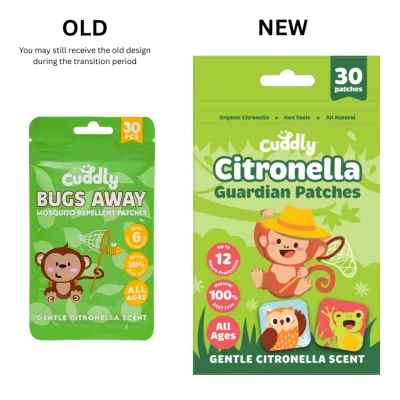
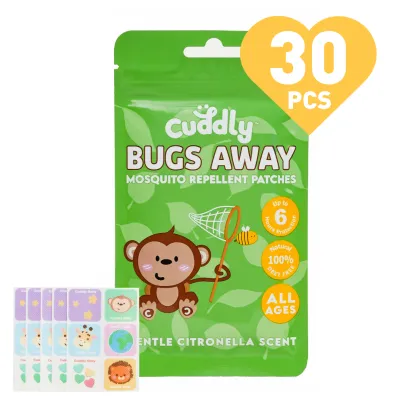
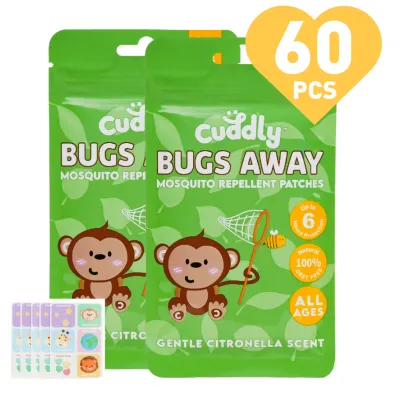
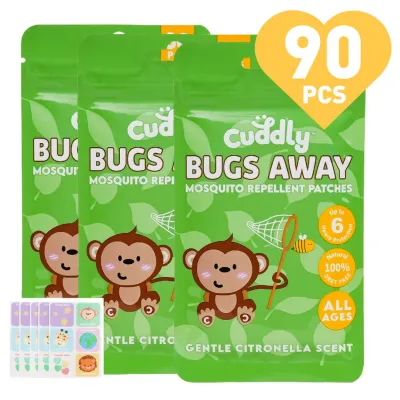
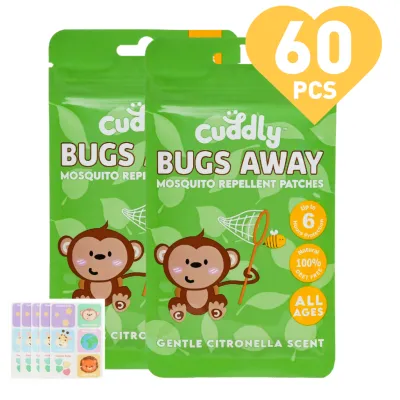
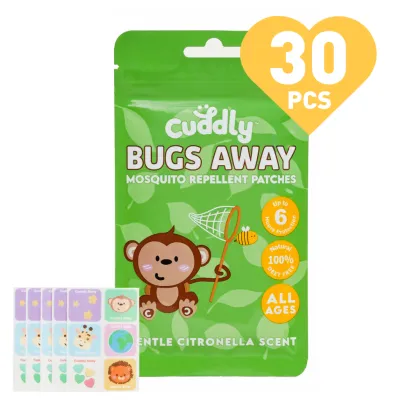
Prices are valid at publication and may change. Please refer to the product page for the latest price.
As babies grow past six months, their skin becomes more resilient, making them better candidates for certain mild, age-appropriate botanical formulations. However, safety still hinges on using products specifically formulated for pediatric use. Always verify that the manufacturer explicitly approves the product for your child’s exact age group, and never use adult-strength repellents on young children.
How to Evaluate Cuddly Citronella and Similar Products
When shopping for mosquito protection in warm, humid climates like the Philippines, where dengue is a constant concern, choosing the right product requires a methodical approach. Parents looking at Cuddly Citronella or similar botanical repellents must carefully inspect the product packaging rather than relying on general brand reputation.

First, examine the active ingredient list. Look for the exact concentration of citronella oil. Formulations designed for babies should have a very low concentration of essential oils to minimize the risk of skin irritation. If the label does not clearly state the percentage or if it is marketed as a general-use family repellent, it may be too strong for an infant’s delicate skin.
Next, locate the manufacturer’s explicit minimum age recommendation. This is often found in the fine print on the back of the bottle or box. If a product like Cuddly Citronella does not specify a safe starting age, or if the label contains vague language, it is safest to avoid using it on infants.
Scan the ingredient list for potential hidden irritants. Many botanical repellents contain added alcohols to help the product dry quickly, synthetic fragrances to mask strong odors, or secondary essential oils like eucalyptus or peppermint. These additives can strip moisture from infant skin or trigger allergic contact dermatitis.
Finally, check the packaging for indications of dermatological testing or pediatric safety approvals. While these labels are helpful indicators, parents should treat them as items to verify with a healthcare professional. Look for terms like hypoallergenic or dermatologically tested, but remember that these terms are not standardized, making a pediatrician’s advice your most reliable guide.
Safe Application and Precautions for Infant Skin
If your pediatrician has cleared a specific citronella repellent for your baby and the product label confirms it is age-appropriate, proper application is crucial to minimize risks. Never spray or apply any repellent directly onto an infant’s body.
To apply the product safely, dispense a small amount onto your own hands first. Rub your palms together, then gently pat or rub the repellent onto the baby’s exposed skin. Completely avoid the baby’s face, head, and neck to prevent the product from getting into their eyes, nose, or mouth.
Be exceptionally careful to keep the repellent away from the baby’s hands. Infants frequently put their hands and fingers into their mouths or rub their eyes, which can lead to accidental ingestion or painful eye irritation. Additionally, avoid applying the product over any open cuts, scrapes, rashes, or irritated skin patches.
Before committing to a full application, perform a localized patch test if the product instructions allow. Apply a tiny drop of the repellent to a small, less sensitive area, such as the baby’s outer thigh. Observe the area for 24 hours to check for any signs of redness, swelling, or irritation before applying it to larger areas of the body.
Once your baby comes back indoors, immediately wash the treated skin with mild baby soap and warm water. This removes any lingering repellent residue and prevents prolonged exposure, which is especially important during humid tropical afternoons when sweat can cause the product to run or pool in skin folds.
When to Stop Use and Seek Medical Advice
Even with careful application, an infant’s sensitive system may react to botanical ingredients. Parents must remain vigilant and monitor their baby closely after applying any new topical product.
Watch for immediate or delayed signs of skin irritation or allergic reactions. These can manifest as localized redness, raised hives, swelling, or dry, flaky patches. Additionally, pay close attention to respiratory signs; because citronella has a strong, distinct scent, inhaling the vapors can sometimes trigger coughing, sneezing, congestion, or wheezing in sensitive infants.
If you notice any of these signs, take immediate action. Wash the affected skin thoroughly with mild soap and cool water to remove the product. If the reaction involves respiratory discomfort, move the baby to a well-ventilated area with fresh air immediately.
Discontinue using the product entirely if any adverse reaction occurs. Contact your pediatrician promptly to report the symptoms. If your baby experiences severe symptoms, such as difficulty breathing, swelling of the face or lips, or widespread hives, seek emergency medical care immediately.
Alternative Mosquito Protection for Newborns
For newborns and young infants who cannot safely use topical repellents, parents can employ highly effective, non-chemical strategies to keep mosquitoes at bay, especially during peak insect activity times.
Physical barriers are the safest and most reliable line of defense. Use properly fitted, breathable mosquito nets over strollers, infant car seats, cribs, and playpens. Ensure the netting is taut and does not drape closely enough to pose a suffocation hazard to the baby.
Dress your baby in lightweight, long-sleeved shirts and long pants. Opt for light-colored clothing, as dark colors tend to attract mosquitoes. Loose-fitting garments made from breathable fabrics like cotton keep the baby cool in tropical humidity while physically blocking insects from reaching the skin.
Implement environmental controls around your living spaces. Using a gentle standing fan near the baby’s rest area can help deter flying insects, as mosquitoes are weak fliers. Regularly inspect your home and yard to eliminate any standing water in flower pots, drains, or buckets, which serve as breeding grounds for disease-carrying mosquitoes.
Frequently Asked Questions (FAQ)
Can I use pure citronella essential oil directly on my baby's skin?
No, you should never apply pure, undiluted citronella essential oil directly to a baby’s skin. Pure essential oils are highly concentrated plant extracts that can cause severe chemical burns, intense skin irritation, and systemic toxicity if absorbed through an infant’s thin skin barrier. Furthermore, homemade or DIY essential oil insect repellents lack standardized safety testing and consistent dilution ratios, making them highly unpredictable and unsafe for infants. Only use commercially formulated, age-approved products that have been specifically designed and tested for pediatric use, and always consult your pediatrician first.
Is it safe to use citronella repellents while breastfeeding?
If you are breastfeeding, you can generally use age-appropriate citronella repellents, but you must take strict precautions to protect your nursing infant. Avoid applying any repellent to your chest, breasts, nipples, or any other areas of skin that may come into direct contact with your baby’s mouth, nose, or hands during feeding. This prevents the baby from accidentally ingesting the product or inhaling concentrated vapors. Wash your hands thoroughly after applying the repellent and before handling your baby, and consult your healthcare provider for personalized guidance on safe repellent options while nursing.
Community discussion
Share your experience or ask a question. Comments are reviewed before publication.