
Determining whether Chummy baby lotion is safe for a newborn with sensitive skin requires a careful, step-by-step evaluation of its specific ingredient list, checking the packaging for pediatrician or dermatologist testing claims, and performing a controlled patch test. While many baby skincare products are formulated to be mild, newborn skin is uniquely delicate, and no single product is universally guaranteed to be free of reactions for every infant. This guide provides parents with a practical framework to analyze the product’s label, conduct a safe home patch test, and recognize when to stop application and consult a medical professional.
In tropical environments like the Philippines, where high humidity and heat are constant factors, choosing the right skincare product is even more critical. Sweat and heat can easily interact with heavy or irritating ingredients, leading to clogged pores, heat rashes, or exacerbated skin sensitivities. Therefore, understanding what goes onto your baby’s skin is the first step in maintaining their comfort and health. By learning how to read labels and monitor reactions, you can make an informed decision that suits your baby’s unique skin profile.
Understanding Newborn Skin and Common Irritants
Newborn skin is structurally different from adult skin in several key ways. It is up to 30% thinner, which means the outer protective layer, known as the stratum corneum, is highly permeable. This increased permeability allows topical products to absorb much more rapidly into the deeper layers of the skin. Additionally, a newborn’s skin barrier is still developing its natural moisture-retaining lipids and its protective acid mantle. Consequently, infants lose moisture quickly and are highly susceptible to environmental irritants, friction, and chemical triggers.
Products mentioned in this guide
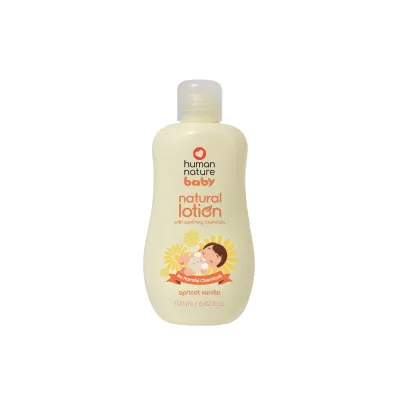
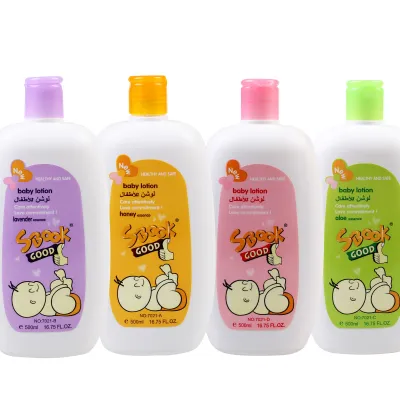
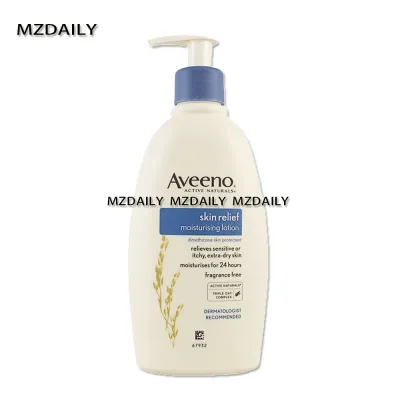
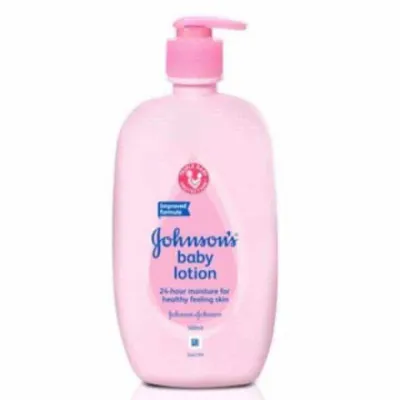
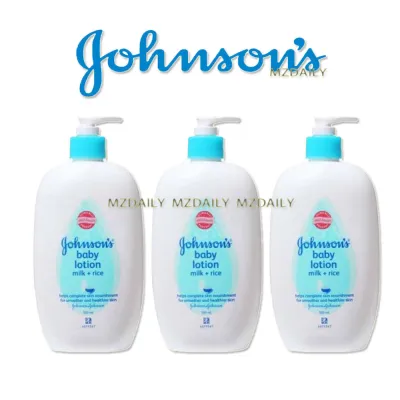
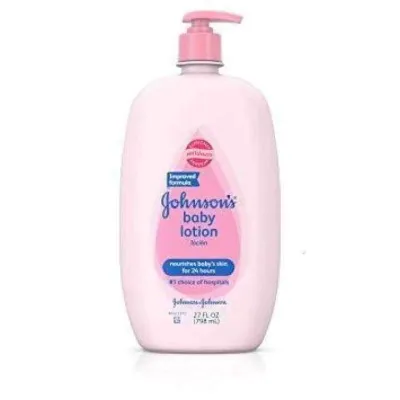
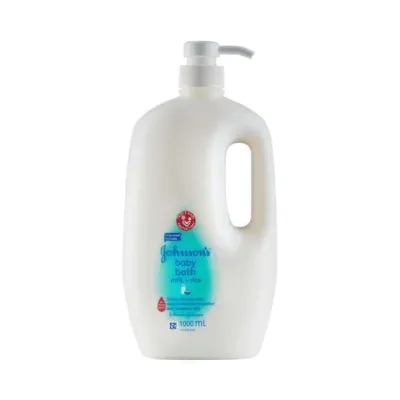
Prices are valid at publication and may change. Please refer to the product page for the latest price.
When evaluating any baby lotion, including Chummy baby lotion, parents must look out for common skincare irritants that can easily disrupt this fragile barrier. Synthetic fragrances are among the most frequent culprits behind allergic contact dermatitis in infants. Even if a product smells pleasant, added perfumes or “parfum” on the label can trigger redness and itching. Other ingredients to watch for include parabens, which are chemical preservatives, as well as phthalates, formaldehyde-releasing agents, and certain harsh alcohols that can strip the skin of its natural oils. Even natural essential oils, such as lavender, eucalyptus, or citrus extracts, can be highly sensitizing to a newborn’s respiratory system and skin.
It is also vital to understand that marketing terms printed on the front of skincare bottles do not carry strict, standardized medical definitions. Labels such as “hypoallergenic,” “gentle,” “natural,” or “organic” are often used to indicate that a product is formulated with fewer known allergens, but they do not guarantee a zero-allergic-reaction rate. Every baby’s skin chemistry is unique, and an ingredient that is perfectly soothing for one infant might cause a flare-up in another. Scrutinizing the actual ingredient deck on the back of the bottle is the only reliable way to assess what you are applying to your child’s skin.
How to Evaluate the Chummy Baby Lotion Ingredient List
To determine if Chummy baby lotion is appropriate for your newborn, start by locating the full ingredient list, which is typically printed on the back of the physical packaging or available on the manufacturer’s official product page. Skincare ingredients are legally required to be listed in descending order of concentration. This means the first five to ten ingredients make up the vast majority of the lotion’s formula. When reviewing this list, look for high-quality, barrier-supporting components near the top, such as glycerin, ceramides, or mild plant-derived emollients like sunflower seed oil or shea butter, which help lock in moisture safely.

As you read through the ingredients, cross-reference them against any known sensitivities your baby might have or general irritants recommended for avoidance by pediatric organizations. If your baby has been diagnosed with infant eczema, for instance, you will want to ensure there are no drying alcohols or synthetic dyes in the formulation. A high-quality baby lotion should ideally have a short, clean ingredient list, as fewer ingredients mean a lower statistical probability of an allergic reaction or contact irritation.
Next, look for specific safety certifications and testing claims directly on the physical product label. Claims such as “dermatologist-tested,” “pediatrician-approved,” or “clinically proven mildness” indicate that the manufacturer has subjected the formulation to professional evaluation. However, because these terms can vary in their testing rigors, they should be treated as helpful indicators rather than absolute guarantees of safety. Always prioritize fragrance-free formulas over “unscented” ones, as unscented products may still contain masking fragrances designed to neutralize the natural scent of the raw ingredients.
Finally, always inspect the physical integrity of the product before purchase or application. Check the expiration date, manufacturing date, and batch number printed on the container. In warm, humid tropical climates, skincare products can degrade, separate, or spoil more rapidly if they are exposed to direct sunlight or high temperatures during storage or transport. Ensure the safety seal is completely intact, and perform a quick sensory check: the lotion should have a consistent texture without separation, discoloration, or any unusual, sour odors that might suggest bacterial contamination or product spoilage.
Patch Testing and Safe Application Guidelines
Before introducing Chummy baby lotion—or any new skincare product—into your newborn’s daily routine, performing a controlled patch test is a crucial safety step. This simple, low-risk procedure allows you to observe how your baby’s skin reacts to the formulation on a very small scale, minimizing the risk of a widespread allergic reaction. Because a newborn’s immune system and skin barrier are highly reactive, taking this precaution can prevent significant discomfort and potential skin damage.
To conduct a proper patch test, select a small, discreet, and non-critical area of your baby’s skin. Excellent locations include the inner forearm, the inside of the elbow, or just behind the ear. First, gently clean the chosen area with lukewarm water and pat it dry with a clean, soft cloth. Apply a tiny, pea-sized amount of the Chummy baby lotion to the spot and rub it in gently. Do not wash the area, and avoid covering it with tight clothing or diapers that could cause friction or trap moisture.
Observe the test site closely over a period of 24 to 48 hours. During this observation window, monitor the skin for any visual or behavioral signs of irritation. Visual signs include localized redness, swelling, tiny raised bumps, dry or flaky patches, or hives. Behavioral signs might include your baby rubbing or scratching the area, or showing unusual fussiness, which indicates itching or burning. If you notice any of these signs, wash the area immediately with cool water and discontinue use of the product. If the skin remains completely clear and calm after 48 hours, the lotion is generally considered safe for broader application.
When applying the lotion to your baby’s entire body, follow best practices to maximize absorption and minimize friction. The ideal time to apply moisturizer is immediately after a lukewarm bath while the skin is still slightly damp. This helps trap the surface moisture into the skin barrier. Dispense a small amount of lotion into your own clean hands and rub them together to warm the product. Apply it to your baby’s skin using gentle, downward strokes. Avoid vigorous rubbing, which can irritate delicate hair follicles and cause friction-induced redness, especially in skin folds where sweat and heat naturally accumulate.
When to Stop Use and Consult a Pediatrician
Even if a product passes an initial patch test, cumulative exposure or changes in your baby’s skin barrier can sometimes trigger a delayed reaction. Parents must remain vigilant and know exactly when to stop using Chummy baby lotion and seek professional medical advice. Recognizing the boundary between mild, temporary skin adjustments and a serious adverse reaction is essential for protecting your newborn’s health and comfort.
There are several immediate stop-use triggers that require prompt attention. If your baby develops widespread hives, blistering, intense redness, swelling, or weeping and oozing skin after application, stop using the lotion immediately and wash the skin gently with lukewarm water. Additionally, if the skin reaction is accompanied by systemic symptoms—such as a sudden fever, extreme lethargy, poor feeding, or difficulty breathing—seek emergency medical care immediately, as these can be signs of a severe, systemic allergic reaction.
It is important to differentiate between mild, localized dryness and actual contact dermatitis. Mild dryness might simply indicate that the lotion’s formulation is not rich enough for your baby’s skin type, which can often be resolved by switching to a thicker, lipid-rich ointment under medical guidance. However, if the skin becomes persistently red, rough, itchy, or warm to the touch, this points to an active inflammatory response. Never attempt to treat severe rashes, broken skin, or suspected infections with over-the-counter cosmetic lotions, home remedies, or leftover prescription creams, as these can worsen the irritation or introduce harmful bacteria. Always consult a qualified pediatrician or a pediatric dermatologist for an accurate diagnosis and a safe, targeted treatment plan.
Frequently Asked Questions (FAQ)
Can I use Chummy baby lotion on my newborn's face?
A newborn’s facial skin is exceptionally thin, delicate, and highly prone to irritation compared to the rest of the body. Before applying Chummy baby lotion to your baby’s face, check the physical product packaging to ensure it is explicitly labeled as safe for facial use. When applying, completely avoid the immediate areas around the eyes, nose, and mouth to prevent accidental ingestion or painful eye irritation. If your newborn is experiencing facial eczema, baby acne, or cradle cap, do not use general body lotions on these areas; instead, consult your pediatrician for a specialized, face-safe treatment plan.
What should I do if my baby develops a rash after using the lotion?
If your baby develops a rash after application, immediately stop using the lotion and gently wash the affected skin with lukewarm water to remove any remaining product residue. Pat the area dry with a clean, soft towel without rubbing. Do not apply any other scented products, oils, or home remedies to the irritated skin. Monitor the rash closely over the next few hours. If the redness spreads, blisters, oozes, or causes your baby significant distress or fussiness, contact your pediatrician or healthcare provider immediately for professional guidance.
Is it necessary to use lotion on a newborn every day?
Daily lotion application is not strictly necessary for every newborn. Healthy newborn skin is naturally resilient and often regulates its own moisture levels without daily intervention. In warm, humid tropical climates, over-applying heavy lotions daily can trap sweat and lead to heat rash or clogged pores. Unless your baby has clinically dry skin, eczema, or a specific moisturizing routine recommended by your pediatrician, you do not need to apply lotion every day. Always consult your doctor to establish a skincare routine tailored to your baby’s specific skin needs.

Community discussion
Share your experience or ask a question. Comments are reviewed before publication.