
Parents in the Philippines often look for reliable ways to support their children’s growth and immune systems, especially during changing seasons or the start of the school year. Cherifer Immunomax for kids is a popular dietary supplement, but determining if it is safe for your specific child requires understanding its formulation, age-appropriate variants, and correct dosage. While it is generally safe for healthy children when administered according to the manufacturer’s instructions, it is not a one-size-fits-all solution. Safety always begins with verifying the product label, matching the variant to your child’s developmental stage, and consulting your pediatrician.
Understanding the Supplement's Role in Child Health
Cherifer Immunomax is classified as a dietary supplement designed to complement a child’s daily nutritional intake. The manufacturer formulates this product to support overall growth and immune function, often highlighting ingredients like Chlorella Growth Factor and beta-glucan on the packaging. It is important to recognize that these components are intended to support a body that is already receiving a foundation of solid nutrition, rather than acting as a cure or preventive measure for specific illnesses.
While supplements can help bridge minor nutritional gaps, they cannot replace the diverse benefits of a balanced diet. Whole foods—such as local fruits, vegetables, lean proteins, and whole grains—provide a complex matrix of fiber, enzymes, and micronutrients that work synergistically in a child’s body. Relying solely on a liquid vitamin to meet nutritional needs can lead to missed dietary habits that are crucial for long-term health.
Products mentioned in this guide
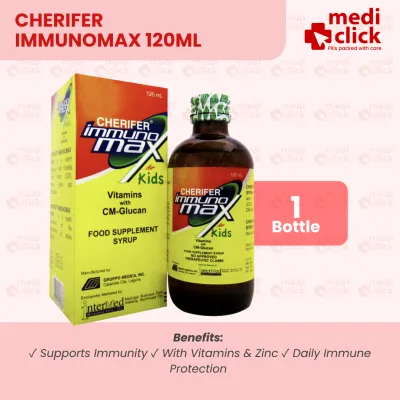

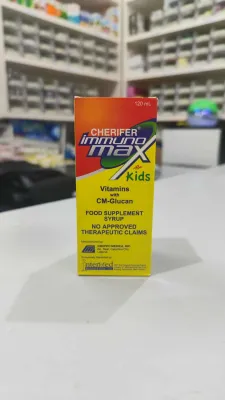
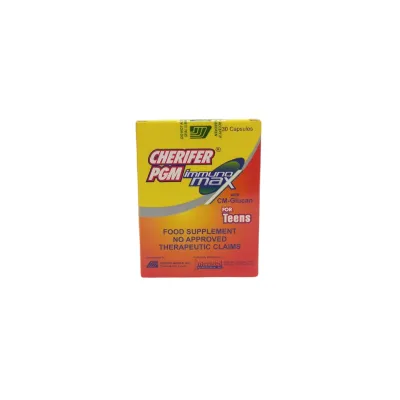
Prices are valid at publication and may change. Please refer to the product page for the latest price.
Before introducing any new supplement to your child’s routine, make it a habit to read the product label thoroughly. The label lists the active ingredients, their concentrations, and the recommended daily values. Understanding these details helps you identify exactly what your child is consuming and prevents you from making assumptions about the product’s daily health benefits.
Age Appropriateness: Matching the Product to Your Child
To ensure your child’s safety, you must verify that the specific bottle of Cherifer Immunomax you purchase matches their current age group. Manufacturers typically print clear age recommendations on the front panel or the back label of the packaging. These products are often divided into distinct formulations, such as drops for infants or syrups for older children, each tailored to the physiological needs of that specific developmental stage.

Age-specific formulations are critical because a child’s body undergoes rapid physiological changes as it grows. Younger children have different metabolic rates, kidney filtration capacities, and liver enzyme levels compared to older kids. A formulation designed for a ten-year-old may contain concentrations of vitamins and minerals that are too high for a toddler’s developing organs to process safely.
Giving adult formulations or variants meant for older siblings to a younger child poses significant health risks. High concentrations of certain nutrients can strain a young child’s digestive and excretory systems. Always purchase the exact variant designated for your child’s age bracket, and avoid the temptation to share a single bottle of high-dose vitamins across siblings of widely varying ages.
Navigating Dosage Guidelines and Daily Administration
Establishing a safe daily routine requires strict adherence to the manufacturer’s official dosage chart, which is located on the product packaging. This chart outlines the precise volume of syrup or drops required based on age or weight. Never alter the recommended dose unless you are explicitly directed to do so by a qualified pediatrician who has evaluated your child’s specific health status.
There is a common misconception among parents that administering a slightly higher dose of vitamins will yield faster growth or stronger immunity. In reality, the human body can only absorb and utilize a limited amount of vitamins and minerals at one time. Exceeding the recommended daily allowance does not provide extra benefits; instead, it increases the risk of nutrient toxicity and places unnecessary stress on your child’s kidneys and liver.
To ensure accurate administration, always use the measuring tool provided in the product packaging, such as the calibrated dropper, syringe, or measuring cup. Avoid using standard household kitchen spoons, as their shapes and volumes vary widely and can easily lead to accidental under- or over-dosing. If the measuring tool is lost, consult a pharmacist to obtain a standardized medical measuring syringe or cup.
Additionally, parents must account for overlapping nutrients in their child’s daily diet. Many children in the Philippines regularly consume fortified milk, powdered juices, or fortified cereals. If your child is taking multiple supplements or consuming highly fortified foods, the cumulative intake of certain vitamins can quickly exceed safe daily limits. Carefully cross-reference all product labels to ensure you are not unintentionally double-dosing your child.
Recognizing Potential Side Effects and Intolerance Signs
Even when a supplement is generally safe, individual children may react differently to its ingredients. After starting Cherifer Immunomax, closely monitor your child for any observable signs of mild digestive upset. This can manifest as nausea, loose stools, flatulence, or a sudden change in appetite. These symptoms often occur as the child’s digestive system adjusts to the concentrated nutrients, but they should not persist.
Skin reactions are another key indicator of sensitivity or intolerance. Watch for the sudden appearance of mild rashes, hives, or localized itching after your child takes the supplement. These physical signs suggest that your child’s body may be sensitive to either the active vitamins or the inactive excipients, such as flavorings, colorants, or preservatives used in the syrup.
Parents should also be aware of the general indicators of over-supplementation or vitamin toxicity. Symptoms such as persistent headaches, unusual fatigue, irritability, joint pain, or severe abdominal discomfort can point to an accumulation of excess vitamins in the body. If you observe any of these signs, or if your child experiences a sudden allergic reaction like swelling of the lips or difficulty breathing, stop administering the supplement immediately and seek emergency medical care.
Key Precautions and When to Consult a Pediatrician
Certain health scenarios require professional medical clearance before you introduce any daily supplement. If your child has an underlying medical condition, such as kidney disease, metabolic disorders, or a compromised immune system, their body may process vitamins differently. In these cases, unmonitored supplementation can interfere with their ongoing medical treatment or exacerbate their condition.
Children with known food allergies or sensitivities require extra vigilance. Dietary supplements often contain inactive ingredients derived from various sources, or they may be manufactured in facilities that process common allergens. A pediatrician or allergist can review the complete ingredient list of Cherifer Immunomax to ensure it does not contain any hidden triggers for your child.
Ultimately, a doctor’s professional assessment is the safest foundation for your child’s nutritional regimen. A pediatrician can perform a physical evaluation, review your child’s typical diet, and determine if a supplement is truly necessary. They can also provide personalized dosage recommendations that align perfectly with your child’s unique growth trajectory and health history.
In tropical climates like the Philippines, proper storage is also essential to maintain the safety and efficacy of the supplement. High heat and humidity can degrade vitamins and promote the growth of harmful bacteria if the bottle is not sealed correctly. Always store the supplement in a cool, dry place below 30°C, away from direct sunlight, and keep it securely out of reach of children to prevent accidental ingestion.
Frequently Asked Questions (FAQ)
Can my child take this supplement alongside other daily vitamins?
It is generally not recommended to combine multiple multivitamin supplements without professional guidance due to the risk of nutrient overlap. Many supplements contain similar profiles of vitamins and minerals, and combining them can lead to an excessive intake of fat-soluble vitamins, which accumulate in the body’s tissues rather than being excreted. Always check the labels of all vitamins, fortified milks, and supplements your child consumes, and consult a pharmacist or pediatrician to review the complete list to ensure safe daily limits are not exceeded.
What should I do if my child accidentally consumes an extra dose?
If your child accidentally takes an extra dose of the supplement, remain calm and immediately assess them for any visible symptoms, such as nausea, vomiting, or abdominal pain. Keep the product packaging nearby so you can refer to the exact ingredient list and concentrations. Contact your pediatrician or a local poison control center immediately to explain the situation, providing them with your child’s weight, the approximate amount consumed, and the exact time of the incident to receive specific professional guidance.
Community discussion
Share your experience or ask a question. Comments are reviewed before publication.