
Evaluating whether Cheeifer Immunomax is safe for your baby requires looking beyond general marketing claims and focusing on your child’s specific developmental stage. The safety of this pediatric supplement—or indeed any over-the-counter vitamin formulation—is strictly conditional, depending on your child’s precise age, weight, overall health status, and the exact ingredients listed on the package.
No over-the-counter supplement is universally safe for infants without a direct recommendation from a qualified pediatrician. The metabolic systems of very young babies are still immature, meaning their bodies process and excrete vitamins and minerals much differently than older children or adults do.
It is also vital to remember that dietary supplements are designed solely to address specific, identified nutritional gaps. They are never intended to replace the complete, balanced nutrition provided by breast milk, high-quality infant formula, or a diverse and healthy weaning diet.
Products mentioned in this guide
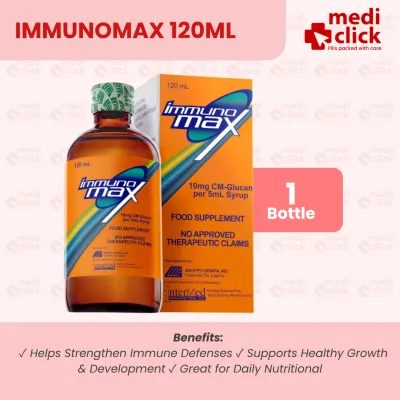
Prices are valid at publication and may change. Please refer to the product page for the latest price.
Before you consider administering any new product to your child, you must physically verify the integrity of the packaging. Always inspect the bottle to ensure the safety seal is completely intact, the expiration date is clearly visible and valid, and the official manufacturer instructions are fully legible.
Decoding the Ingredient Label: What Parents Must Verify
When holding a bottle of Cheeifer Immunomax, your first step should be to look past the front-facing promotional claims and turn the packaging over to examine the nutritional information panel. This physical verification is crucial because online product descriptions can sometimes be outdated, incomplete, or inaccurate.
Analyze the list of active ingredients carefully to understand exactly what nutrients you are introducing to your baby’s system. Pediatric immune-support supplements typically contain common active components such as Vitamin C, Zinc, or amino acids like Lysine, which are often included to support growth and cellular function.
Once you identify these active nutrients, you must cross-reference their concentrations with established pediatric daily intake guidelines. It is a common misconception that higher doses of vitamins lead to stronger immune systems; in reality, giving a baby more than the recommended daily allowance can place unnecessary stress on their developing kidneys and liver.
Next, look closely at the inactive ingredients, additives, and preservatives listed at the bottom of the panel. Pediatric syrups often contain flavorings, colorants, or sweeteners to make the liquid palatable, but some of these substances may not be suitable for a baby’s highly sensitive digestive tract.
Be particularly vigilant about hidden artificial sweeteners, high-fructose corn syrup, or chemical preservatives that could trigger allergic reactions or digestive upset. If your baby has a known sensitivity to common allergens like soy, gluten, dairy, or specific food dyes, verify that the label explicitly states the product is free from these compounds.
The tropical climate of the Philippines introduces additional safety considerations when it comes to liquid vitamin storage. High humidity and ambient temperatures frequently exceeding 30°C can accelerate the chemical degradation of active vitamins and promote microbial growth if a bottle is not stored correctly.
Always check the manufacturer’s specific storage instructions printed on the label, as some liquid formulations require refrigeration after opening, while others must be kept in a cool, dark place strictly below 25°C. Never leave pediatric supplements on sunny kitchen counters, near cooking appliances, or in humid bathrooms where temperature fluctuations are common.
Potential Side Effects and When to Stop Use
Introducing any new oral supplement into an infant’s daily routine carries a small but distinct risk of mild adverse reactions as their digestive system adapts to the concentrated nutrients. You should monitor your child closely during the first few days of starting any new product.

Common mild reactions in babies can include temporary stomach discomfort, slight changes in stool consistency or color, or minor, localized skin rashes. While these symptoms are often transient, they serve as a signal that your baby’s body is adjusting, and they should be documented carefully for your next pediatric visit.
Over-supplementation presents a more significant hazard, particularly if you are administering multiple vitamin products or feeding your child highly fortified infant foods. Fat-soluble vitamins can accumulate to toxic levels in a baby’s tissues over time, while excessive mineral intake can disrupt delicate metabolic and electrolyte balances.
To prevent these complications, you must calculate the total daily intake of vitamins and minerals your baby receives from all dietary sources combined before adding a supplement. Never exceed the manufacturer’s recommended dosage on the assumption that a larger dose will provide superior health benefits.
You must establish clear, non-negotiable boundaries for when to stop using the supplement immediately. If your baby exhibits any signs of a systemic allergic reaction—such as hives, facial swelling, sudden itching, or difficulty breathing—discontinue the product instantly and seek emergency medical attention.
Similarly, severe gastrointestinal distress, such as persistent vomiting, watery or bloody diarrhea, or a sudden refusal to feed, requires you to halt the supplement immediately and consult a healthcare professional. Do not attempt to wait out these symptoms or assume they will resolve on their own.
Always maintain a healthy skepticism toward marketing materials that claim a pediatric product has “no reported side effects” or is “completely risk-free.” Every child’s biological makeup is unique, and a product that is well-tolerated by one infant may still cause an adverse reaction in another.
Age-Specific Boundaries and Safe Administration
A baby’s developmental age is the single most important factor in determining how a supplement should be administered, as nutritional needs change rapidly during the first years of life. What is safe and beneficial for a toddler can be highly inappropriate or even dangerous for a newborn.
Young infants under six months of age have highly specialized digestive systems and typically require only breast milk or infant formula to thrive. Introducing external vitamins or immune syrups to this age group is generally unnecessary and should be avoided entirely unless a pediatrician has diagnosed a specific deficiency and prescribed a medical-grade treatment.
For older babies who have transitioned to solid foods and toddlers who may be experiencing temporary dietary gaps, supplements can sometimes play a supportive role. However, safe administration requires strict adherence to the manufacturer’s physical guidelines.
Always use the exact measuring tool provided in the product packaging, such as a calibrated oral syringe or dropper, rather than standard household spoons. Household cutlery varies widely in size and can easily lead to accidental under-dosing or dangerous over-dosing.
Administer the liquid slowly while your baby is sitting in an upright position to prevent choking or aspiration. If the manufacturer’s label permits mixing the syrup with water, breast milk, or soft food, ensure you mix it immediately before serving and verify that your baby consumes the entire portion to receive the intended dose.
Never attempt to alter the supplement’s formulation by heating, boiling, or freezing the liquid, as extreme temperatures can degrade the active vitamins and render the product ineffective or unstable.
If you happen to miss a scheduled daily dose, do not attempt to compensate by giving a double dose the next day. Simply skip the missed dose entirely and resume your normal, single-dose schedule to avoid overloading your baby’s system.
Finally, treat all pediatric supplements with the same caution as prescription medications by storing them securely out of your child’s sight and reach. Sweet, fruit-flavored syrups are highly appealing to curious toddlers, and accidental ingestion of large quantities can lead to acute, life-threatening vitamin toxicity.
When to Consult a Pediatrician Before Supplementing
A professional medical consultation is an indispensable safety step that must occur before you introduce any dietary supplement to your child’s routine. Relying on online reviews, parental forums, or store displays cannot replace the personalized clinical judgment of a healthcare provider.
Certain high-risk pediatric populations require mandatory medical clearance before starting any new supplement. This critical group includes premature infants, babies born with low birth weight, children with pre-existing medical conditions, and infants with known food or drug allergies.
If your baby is currently taking any prescription medications, therapeutic drops, or specialized infant formulas, a pediatrician must evaluate the risk of drug-nutrient interactions. Some active ingredients in supplements can interfere with how other essential medications are absorbed or metabolized by the body.
Schedule a dedicated visit with a licensed pediatrician in the Philippines to discuss your baby’s unique dietary patterns and overall development. A professional assessment of your child’s daily milk intake and solid food consumption will help determine if a true nutritional gap exists or if their needs are already being met naturally.
A qualified healthcare provider can perform a physical examination, monitor growth milestones, and order targeted blood tests if a specific vitamin deficiency is suspected. This evidence-based approach ensures that any supplementation is necessary, safe, and tailored to your child’s actual physiological needs.
Additionally, a pediatrician can calculate a personalized dosage plan based on your baby’s exact weight rather than their age alone. Standard product labels must rely on broad age brackets, which do not account for the significant weight variations that occur among healthy developing infants.
Frequently Asked Questions (FAQ)
Can I give immune supplements to a baby under 6 months old?
No, you should not give immune supplements to an infant under six months of age unless a qualified pediatrician has explicitly diagnosed a nutritional deficiency and prescribed a specific therapeutic product. During the first six months of life, a baby’s digestive and metabolic systems are highly delicate, and breast milk or infant formula provides all the necessary hydration, antibodies, and nutrients required for healthy growth and immune function. Introducing unnecessary oral liquids can disrupt their feeding patterns and put undue strain on their developing organs.
What should I do if my child accidentally takes an extra dose?
If your child accidentally consumes an extra dose or accesses the bottle directly, locate the product packaging immediately so you have the exact ingredient list and concentrations on hand. Do not attempt to induce vomiting, as this can lead to choking or throat irritation. Contact your pediatrician, a local hospital emergency room, or a national poison control center immediately to seek professional guidance based on the estimated amount ingested and your child’s weight.
Community discussion
Share your experience or ask a question. Comments are reviewed before publication.