
Deciding what to pack in your hospital bag is one of the most exciting steps of preparing for your baby’s arrival, but choosing the right skincare products requires careful consideration. Cetaphil Baby Lotion is a popular choice among parents, but determining whether it is safe for a newborn involves understanding your baby’s unique skin barrier and learning how to verify product labels. While many infant lotions are formulated to be gentle, a newborn’s skin is highly sensitive and behaves differently than older baby skin, meaning parents must take specific steps to ensure any product they use is appropriate.
Before packing any skincare items for the delivery room, it is essential to evaluate the specific formulation you plan to use. Newborn skin is incredibly delicate, and introducing unnecessary topical products too early can sometimes lead to irritation. By understanding how infant skin develops, learning how to read ingredient lists, and knowing the signs of skin sensitivity, you can make an informed decision that keeps your baby comfortable and safe from their very first days.
Understanding Newborn Skin and Moisturizer Needs
During the first few weeks of life, a newborn’s skin undergoes a rapid transition as it adapts from the fluid environment of the womb to the dry, external air. The outer layer of the skin, known as the stratum corneum, is up to thirty percent thinner than adult skin, making it highly susceptible to moisture loss and environmental irritants. Many newborns experience a natural peeling process, called desquamation, during their first week. This peeling is a normal physiological adjustment and typically does not indicate dry skin that requires heavy moisturizers, though many parents mistake it for a condition that needs immediate treatment.
Products mentioned in this guide
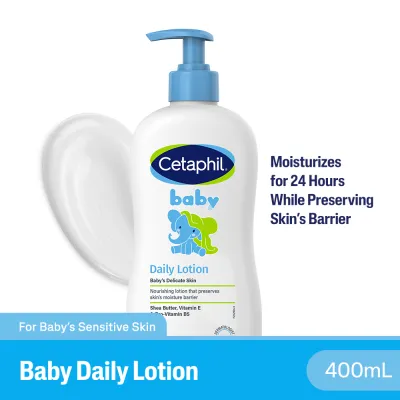
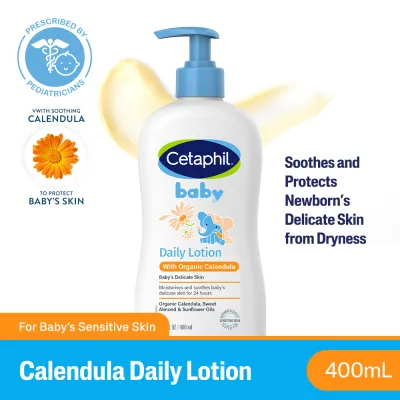
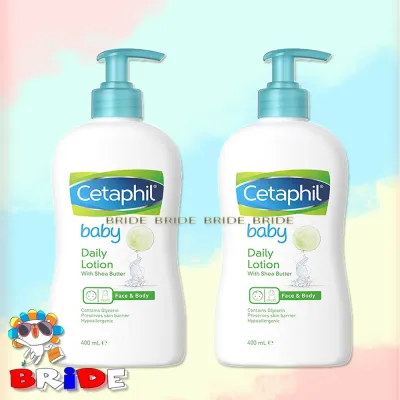
![Cetaphil Baby Daily Lotion with Organic Calendula 400ml [Gentle and Hypoallergenic / Organic Calendula Almond and Sunflower Oil]](https://img.lazcdn.com/g/p/04fe8d9f9db22e051ce1ea6f95e84d4c.jpg_400x400q80.jpg_.webp)
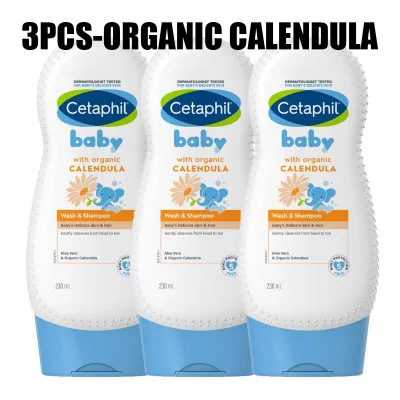
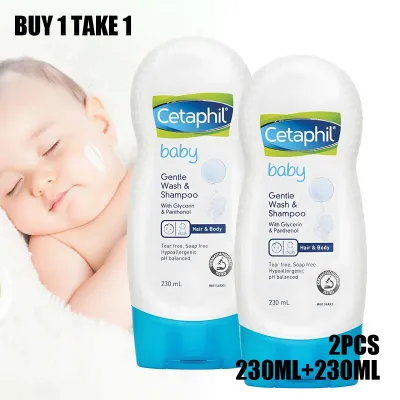
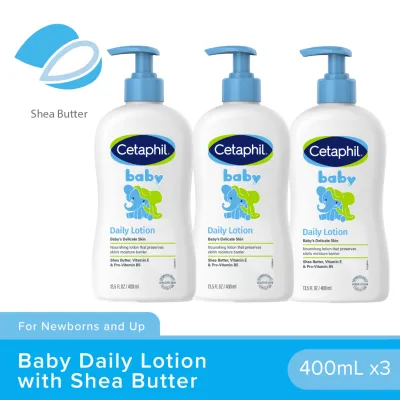
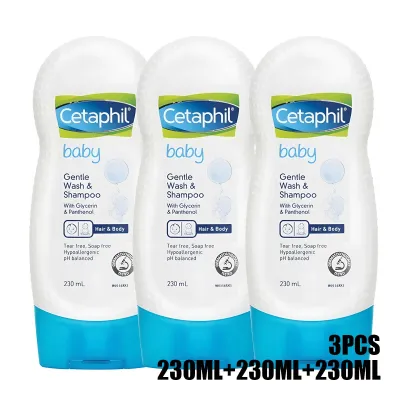
Prices are valid at publication and may change. Please refer to the product page for the latest price.
In tropical climates like the Philippines, high humidity and warm temperatures add another layer of complexity to newborn skincare. While humidity can help keep the skin from drying out, excessive heat can lead to sweat retention and heat rash, commonly known as bungang-araw. Applying heavy, occlusive products in warm weather can clog developing sweat glands and worsen these rashes. Therefore, understanding the functional differences between various skincare formulations is crucial for maintaining your baby’s skin health.
Skincare products generally fall into three categories: lotions, creams, and ointments. Lotions are water-based, lightweight, and easily absorbed, making them suitable for general skin maintenance in warm, humid environments. Creams are thicker, containing a higher ratio of oil to water, which helps soothe localized dry patches. Ointments are the thickest, creating a semi-occlusive barrier that locks in moisture and protects the skin from external irritants, making them ideal for the diaper area. For daily newborn care, pediatricians generally recommend lightweight, non-comedogenic formulas that support the skin barrier without clogging pores.
When evaluating moisturizers for a newborn, medical professionals look for products that meet strict safety criteria. A suitable newborn moisturizer should be hypoallergenic, free of synthetic fragrances, and formulated without artificial dyes or parabens. Because a newborn’s skin barrier is still developing, it absorbs topical substances more readily than adult skin, making it vital to avoid any ingredients that could introduce unnecessary chemical exposure or trigger allergic contact dermatitis.
Evaluating Cetaphil Baby Lotion for Your Newborn
To determine if a specific bottle of Cetaphil Baby Lotion is suitable for your newborn, you must start by carefully inspecting the product packaging. Manufacturers frequently update their formulations, and different product lines carry distinct age recommendations. Look closely at the label for explicit terms such as “suitable for newborns” or “safe from day one.” Never assume a product is safe for a newborn simply because it features the word “baby” on the front; always verify the manufacturer’s official age guidelines and usage instructions printed on the back.

Next, turn your attention to the ingredient list to identify potential irritants. Even products marketed for sensitive infant skin can sometimes contain botanical extracts, essential oils, or mild fragrances that might trigger a reaction on a newborn. Carefully check the label to ensure the product is completely fragrance-free rather than simply unscented, as unscented products may still contain masking fragrances to neutralize chemical odors. If you notice ingredients like added colorants, parabens, or strong botanical oils, you may want to reconsider using the product during the first month of your baby’s life.
It is also important to recognize that Cetaphil offers several different variants within its baby care line, such as daily lotions, ultra-soothing formulations, and lotions enriched with specific ingredients like calendula or shea butter. While these ingredients can offer excellent soothing properties for older infants, a newborn’s highly reactive skin may respond differently. Compare the specific variant you own against general newborn skincare standards, prioritizing the simplest, most basic formulation available to minimize the risk of skin sensitization.
If you are ever uncertain about an ingredient listed on the bottle, consult the manufacturer’s official website or contact their customer service channel for detailed product specifications. Keeping a close eye on these details allows you to select a product that aligns perfectly with the delicate needs of a baby who is only a few days old, ensuring you do not accidentally introduce irritating substances during a critical stage of skin development.
Signs to Stop Use and When to Consult a Pediatrician
When introducing any new skincare product to a newborn, performing a patch test is a highly recommended safety measure. Apply a pea-sized amount of the lotion to a small, clean area of your baby’s skin, such as the inner forearm or behind the ear, and monitor the spot closely for twenty-four hours. If you observe any signs of redness, swelling, tiny bumps, or hives, wash the area gently with plain water and do not apply the product again. This simple precaution can prevent a widespread adverse reaction across your baby’s entire body.
Even after a successful patch test, continue to monitor your baby’s skin during regular use for any emerging signs of irritation. Watch for localized redness, unusual dryness, rough patches, or an increase in skin peeling that seems to cause discomfort. It is also important to distinguish between normal newborn skin variations and conditions that require medical attention. For instance, neonatal acne, cradle cap, and infantile eczema are common conditions that require specific, targeted care rather than standard over-the-counter cosmetic lotions.
If your baby develops a persistent rash, cracked skin, or areas that appear oozing, warm, or infected, stop using all commercial lotions immediately. Do not attempt to treat these issues with alternative home remedies, herbal oils, or multiple over-the-counter creams, as this can further complicate the reaction and delay proper healing. Instead, seek a professional evaluation from a qualified pediatrician who can accurately diagnose the skin condition and prescribe a safe, targeted treatment plan.
Building a Safe Skincare Routine for Your Hospital Bag
When packing your hospital bag, it is easy to overpack skincare products out of anticipation, but newborns actually require very little during their first few days. Immediately after birth, a baby’s skin is often covered in vernix caseosa, a thick, white substance that acts as a natural protective barrier, moisturizer, and antimicrobial shield. Many modern hospital protocols recommend leaving this natural layer on the skin for as long as possible rather than washing it off immediately. Consequently, applying commercial moisturizing lotions is rarely necessary during the first forty-eight hours of life.
To keep your hospital bag light and practical, focus on packing only the absolute essentials. A gentle, soap-free baby cleanser and a reliable diaper barrier ointment are typically all that is required for the immediate postpartum period. Before purchasing travel-sized toiletries, coordinate with your hospital to find out what items are included in their standard newborn care kits. Many hospitals provide basic, medically approved skincare items, which can save you valuable space in your luggage and prevent the duplication of products.
If you do choose to pack a bottle of baby lotion, ensure it is stored and handled correctly to maintain its safety and integrity. Tropical heat and direct sunlight can cause cosmetic formulations to separate or degrade, so keep your hospital bag in a cool, shaded area during transit. Always practice strict hand hygiene by washing your hands thoroughly with soap and water before applying any product to your newborn’s skin, reducing the risk of introducing unwanted bacteria to their delicate skin barrier.
Frequently Asked Questions (FAQ)
Can I use regular adult Cetaphil lotion on my newborn?
No, you should not use regular adult Cetaphil lotion on a newborn. Adult skincare formulations are designed for mature skin barriers and often contain different ingredient concentrations, preservatives, or active ingredients that can be highly irritating to a newborn’s thin, sensitive skin. Always check the product label to ensure it is explicitly formulated, tested, and cleared for infant use before applying it to your baby.
How often should I apply lotion to a newborn's skin?
Newborns generally do not require daily lotion applications unless specifically recommended by a pediatrician to address a particular skin condition. In humid tropical climates, over-applying lotion can trap sweat and lead to heat rash. Assess your baby’s skin daily, and if you notice localized dry patches, apply a small amount of lotion only to those specific areas, always following the application instructions printed on the product label.
What should I do if my baby develops a rash after using the lotion?
If your baby develops a rash, stop using the lotion immediately and gently cleanse the affected area with lukewarm, plain water to remove any remaining product residue. Avoid applying other creams, oils, or home remedies to the rash, as this can make the irritation worse. Take clear photos of the rash to document its appearance, and contact your pediatrician for a professional medical evaluation.

Community discussion
Share your experience or ask a question. Comments are reviewed before publication.