
Packing your hospital bag is one of the most exciting milestones of your pregnancy journey. As you prepare for your delivery in the Philippines, it is easy to get swept up in buying and packing every baby skincare product available on the shelves. However, when it comes to newborn skincare, less is almost always more.
In most cases, packing Cetaphil baby lotion in your hospital bag is not necessary. Newborns do not require daily moisturizing during their first few days of life, and maternity wards typically provide the basic essentials needed for immediate care. While Cetaphil baby lotion is a popular and gentle option for infant skin, carrying a full bottle to the hospital often leads to an overpacked bag and redundant items. Understanding your baby’s immediate skin needs, checking what your chosen birthing facility provides, and knowing when to safely introduce moisturizers will help you streamline your packing list.
Do Newborns Need Lotion in the Hospital?
Newborn skin is incredibly delicate, thin, and highly sensitive as it transitions from the fluid environment of the womb to the dry outside world. During the first few days after birth, a baby’s skin is still developing its natural protective barrier. Because of this extreme sensitivity, healthcare providers generally advise against applying external moisturizers, lotions, or oils immediately after birth unless there is a specific medical indication.
Products mentioned in this guide
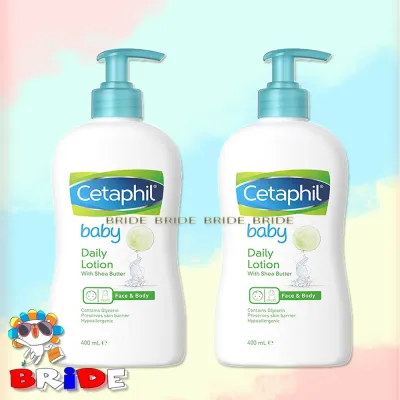
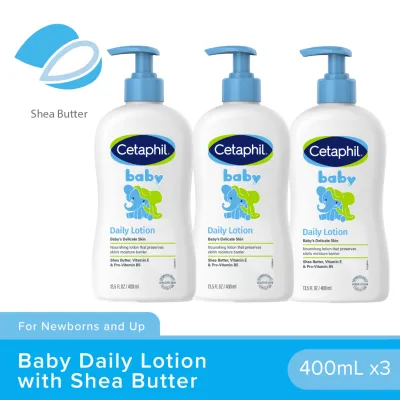
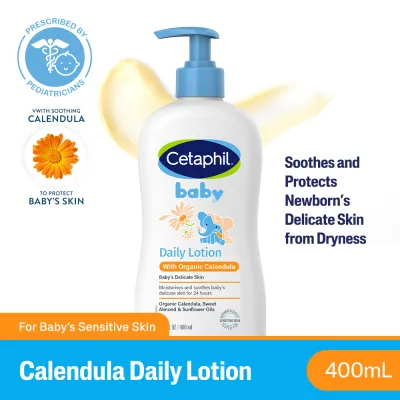
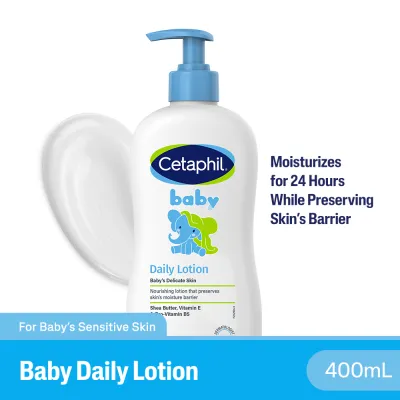
![Cetaphil Baby Daily Lotion with Organic Calendula 400ml [Gentle and Hypoallergenic / Organic Calendula Almond and Sunflower Oil]](https://img.lazcdn.com/g/p/04fe8d9f9db22e051ce1ea6f95e84d4c.jpg_400x400q80.jpg_.webp)
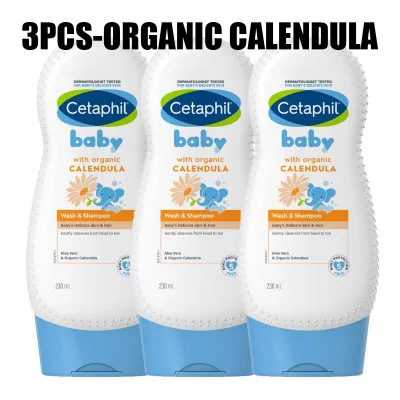
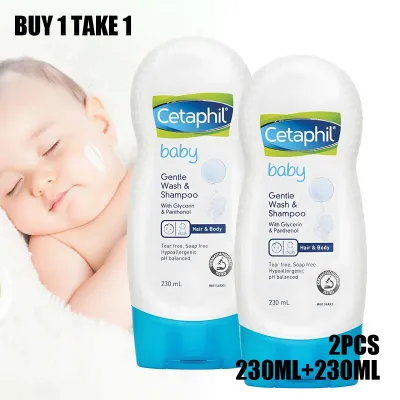
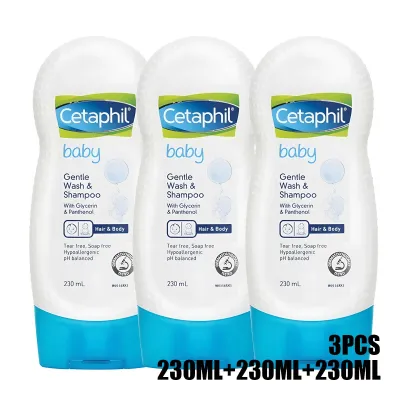
Prices are valid at publication and may change. Please refer to the product page for the latest price.
At birth, babies are naturally covered in a thick, waxy, white substance called vernix caseosa. This natural protective layer is highly beneficial; it acts as an outstanding natural moisturizer, skin protector, and barrier against pathogens. Modern neonatal care practices in the Philippines and globally recommend leaving the vernix on the skin to absorb naturally rather than scrubbing it off or immediately replacing it with commercial lotions. Applying external products too early can disrupt this natural barrier and introduce unnecessary ingredients to highly permeable skin.
Additionally, the tropical climate of the Philippines plays a significant role in newborn skin behavior. The naturally high humidity levels mean that a newborn’s skin is far less likely to dry out rapidly compared to babies born in colder, drier climates. In a warm and humid environment, applying heavy lotions or creams to a newborn can sometimes trap sweat, clog delicate pores, and lead to heat rashes or minor skin irritations.
Furthermore, most maternity hospitals and birthing centers in the Philippines provide basic newborn care kits as part of their delivery packages. These kits, which are often charged to your final bill in pesos (₱), typically contain the bare essentials required for the first 48 hours, such as sterile cotton balls, a mild baby cleanser, and sometimes a basic diaper cream. Because moisturizing lotion is not a clinical necessity during a standard two-to-three-day hospital stay, it is rarely included in these standard kits, and you will not miss having it.
Evaluating Cetaphil Baby Lotion for Your Hospital Stay
If you are considering bringing Cetaphil baby lotion, it is helpful to understand what makes it a popular choice among parents, while remaining cautious about when to introduce it. The brand is widely recognized for formulating products that are hypoallergenic, free from harsh colorants, and formulated to respect the skin’s natural barrier. These are excellent qualities to look for in any baby product, as strong fragrances and synthetic dyes are common triggers for infant skin allergies.

However, before packing any product for a newborn, you must carefully verify the specific product label. Check the packaging for age recommendations, complete ingredient lists, and manufacturer warnings. Some formulations are specifically labeled as suitable for newborns from day one, while others may be intended for older infants. Never assume a product is suitable for a newborn simply because “baby” is in the name; always read the manufacturer’s instructions and safety guidelines first.
If you decide that you still want to have a moisturizer on hand—perhaps due to a planned extended hospital stay or personal preference—the key is practicality. Avoid packing a full-size pump bottle of Cetaphil baby lotion. Large bottles take up valuable space, add unnecessary weight to your diaper bag, and run the risk of leaking during transit. Instead, opt for a small travel-size container or a sample tube. This keeps your bag light and organized while still giving you peace of mind.
Keep in mind that even the gentlest, dermatologist-tested formulas can occasionally cause an unexpected reaction on highly sensitive newborn skin. Because you will be in a hospital environment focusing on recovery and initial feeding, the first few days are not the ideal time to experiment with new skincare products. Keeping your baby’s skin routine as simple as possible during the hospital stay minimizes the risk of contact dermatitis or unexplained rashes.
Essential Newborn Skincare Items to Pack Instead
To keep your hospital bag practical and lightweight, you should prioritize items that serve an immediate, functional purpose during your stay. Rather than packing optional moisturizers, focus on the core essentials that keep your baby clean, dry, and comfortable.
First, pack a pack of fragrance-free baby wipes or, even better, a bag of sterile cotton balls. For the first few weeks, many pediatricians recommend using cotton balls dipped in warm water to clean the diaper area, as this is the gentlest method for newborn skin. If you prefer wipes, ensure they are completely free of alcohol, fragrance, and parabens to prevent irritation.
Second, a reliable diaper rash barrier cream is highly recommended. Newborns pass meconium—the sticky, dark green or black first stool—frequently during their first few days. Meconium can be difficult to wipe away and can quickly irritate delicate skin. A thin layer of diaper barrier cream helps protect the skin from moisture and friction, making cleanups much easier and preventing early diaper rash.
Third, consider packing a gentle, soap-free, head-to-toe baby wash if you prefer to use your own brand rather than the hospital-provided soap. Look for a tear-free formula designed specifically for sensitive newborn skin. Along with the wash, pack two or three incredibly soft cotton washcloths, a soft-bristled baby brush to gently manage cradle cap or style fine hair, and a few extra receiving blankets to keep your baby warm in the air-conditioned hospital rooms.
Before you finish packing, make it a point to contact your specific hospital or birthing center. Ask them exactly what items are included in their newborn admission kit and what you are expected to bring. Some premium private hospitals provide everything from diapers to swaddles, while other facilities expect you to bring every single consumable. Knowing this beforehand prevents you from spending money on redundant items and ensures you only pack what is truly necessary.
When and How to Start Using Baby Lotion After Discharge
Once you transition from the hospital to your home, you can begin establishing a gentle skincare routine for your baby. However, there is still no need to rush into using lotion immediately. A safe and practical framework is to wait until your baby’s umbilical cord stump has fallen off and the area has healed completely. Keeping the abdominal area dry is crucial for preventing infection, and applying lotion near an unhealed cord stump can trap moisture and delay the natural drying process.
As your baby settles in at home, monitor their skin for genuine signs of dryness. It is completely normal for newborns to experience mild skin peeling or flaking during their first two weeks, especially around their wrists, hands, ankles, and feet. This peeling is a natural shedding process and usually does not require lotion. However, if you notice persistent dry patches, rough skin, or signs of eczema, it may be time to introduce a gentle moisturizer.
When you are ready to use Cetaphil baby lotion or any other infant moisturizer, always perform a simple patch test first. Apply a tiny, pea-sized amount of the lotion to a small, clean area on your baby’s inner arm or thigh. Monitor the spot for 24 hours. If you observe any redness, swelling, tiny bumps, or signs of discomfort, stop using the product immediately and wash the area with plain water.
If your baby develops a persistent rash, severe dry patches, or skin irritation that does not improve, do not attempt to treat it by applying more lotion or switching between multiple over-the-counter products. Instead, consult a pediatrician or a pediatric dermatologist. They can provide an accurate diagnosis and recommend safe, targeted treatments for your baby’s specific skin condition.
Frequently Asked Questions (FAQ)
Can I use adult lotion on my newborn if I forget to pack baby lotion?
No, you should strictly avoid using adult lotions on a newborn. Adult skincare products often contain strong fragrances, synthetic dyes, alcohol, and active ingredients like retinoids or exfoliating acids. A newborn’s skin barrier is thin and highly permeable, meaning it absorbs chemicals much more easily than adult skin. Applying adult products can cause severe chemical irritation, allergic reactions, or systemic absorption of unwanted ingredients. If you forget baby lotion, it is much safer to leave your baby’s skin bare or ask the hospital staff for a safe, hospital-approved alternative.
Will the hospital provide diapers and wipes, or should I pack my own?
This depends entirely on the hospital and the maternity package you select. Many private hospitals in the Philippines include a starter set of diapers and wipes in their newborn kits, but the quantity is often limited and may only last a day or two. Public hospitals and smaller birthing clinics frequently require parents to bring their own complete supply of diapers and wipes. To avoid any inconvenience, it is highly recommended to pack at least one small pack of newborn-size diapers and one pack of fragrance-free baby wipes in your bag, even if you expect the hospital to provide them.
Is it safe to apply lotion on a newborn's face?
It is generally best to avoid applying lotion to a newborn’s face unless specifically recommended by your pediatrician. The skin on a baby’s face is exceptionally delicate and prone to common, harmless newborn conditions such as baby acne, milia, or heat rash. Applying heavy moisturizers or lotions can clog their tiny pores and make these temporary skin conditions worse. For daily care, gently wiping your baby’s face with a soft washcloth dampened with plain, warm water is usually all that is needed to keep their skin clean and healthy.

Community discussion
Share your experience or ask a question. Comments are reviewed before publication.