
Caring for a baby’s delicate skin requires extreme caution, especially when dealing with sudden irritation, dry patches, or persistent itching. If you are considering using CeraVe anti-itch products on your infant, the safety of these formulations depends entirely on the specific product, your baby’s exact age, and the underlying cause of the skin irritation. Medicated anti-itch formulations—particularly those containing active ingredients designed to temporarily block itch signals—are generally not recommended for infants without the explicit approval and guidance of a pediatrician.
There is a critical difference between soothing mild, dry skin caused by environmental factors and treating a medical rash or allergic reaction. While standard, non-medicated baby moisturizers are formulated to support a developing skin barrier, medicated over-the-counter anti-itch creams contain active drug components. Before applying any active anti-itch product to your baby’s skin, it is vital to understand how these ingredients interact with a highly sensitive, thin infant skin barrier, especially in warm, humid climates where skin issues can quickly escalate.
CeraVe Anti-Itch vs. Standard Baby Moisturizers
To keep your baby’s skin safe, you must distinguish between daily-use baby moisturizers and targeted, medicated anti-itch treatments. Standard baby lotions and creams are designed for daily hydration, using ingredients like ceramides and hyaluronic acid to reinforce the natural skin barrier. These products do not contain active drug ingredients and are generally formulated to be gentle enough for regular use on infant skin from birth, helping to lock in moisture and prevent dryness.
Products mentioned in this guide
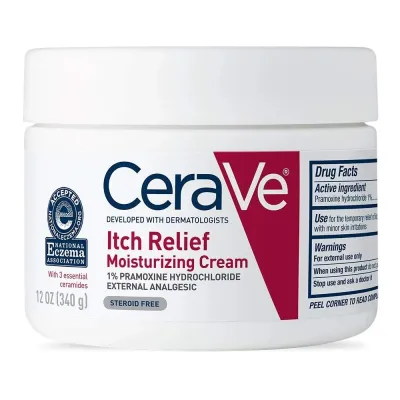
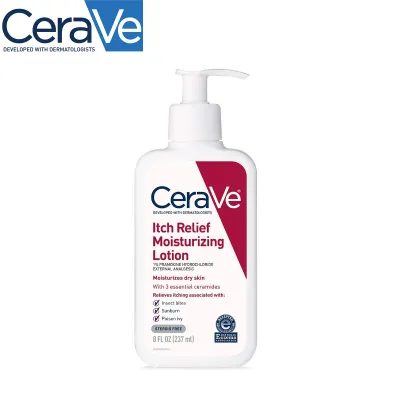
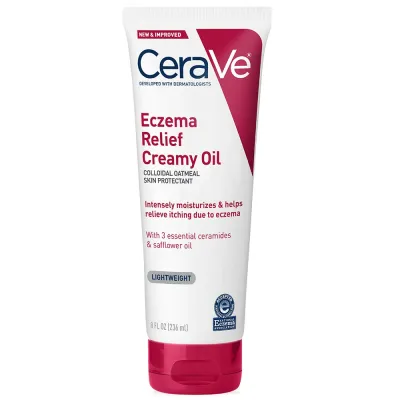
Prices are valid at publication and may change. Please refer to the product page for the latest price.
In contrast, dedicated anti-itch creams and lotions are formulated to provide temporary relief from intense itching caused by insect bites, minor sunburns, or localized skin irritations. These products contain active ingredients, such as pramoxine hydrochloride or hydrocortisone, which temporarily desensitize nerve endings or reduce localized inflammation. When looking at a product bottle, always check the packaging for a “Drug Facts” section. If a product has a “Drug Facts” label, it is classified as an over-the-counter drug rather than a cosmetic moisturizer, meaning it carries specific usage instructions, age limits, and safety warnings.
In tropical climates, high humidity and heat can lead to sweat rash, heat rash, or chafing. Parents might be tempted to reach for a strong anti-itch cream to soothe these red, irritated patches. However, applying heavy, medicated creams to sweat-prone areas can clog pores, trap heat, and worsen the irritation. Standard, lightweight baby moisturizers or specialized pediatric barrier creams are typically much safer and more effective for daily tropical skin maintenance, whereas medicated lines should be reserved strictly for specific, doctor-approved situations.
Essential Safety Checks Before Application
Before you apply any new skincare product—especially one containing active ingredients—to your baby’s skin, you should perform a series of essential safety checks to minimize the risk of adverse reactions.

Label Verification Your first step is to carefully read the “Drug Facts” label on the back of the packaging. Look specifically for age restrictions. Many over-the-counter anti-itch creams explicitly state that they are not for use on children under two years of age unless directed by a doctor. If your baby is under this age threshold, do not apply the product without consulting your pediatrician first.
Ingredient Awareness Infant skin is significantly thinner and more permeable than adult skin, meaning it absorbs topical substances much more rapidly. This high absorption rate increases the risk of systemic side effects from active ingredients. Check the ingredient list for potential irritants such as added fragrances, parabens, or alcohols, which can trigger contact dermatitis on compromised skin. Ensure that the active ingredient is appropriate for infant use under professional guidance.
Patch Testing Protocol Even if a product is deemed age-appropriate, always conduct a localized patch test before applying it to a larger area of your baby’s body.
- Clean a small, unaffected area of your baby's skin, such as the inner forearm or the side of the thigh, using lukewarm water.
- Apply a tiny, pea-sized amount of the cream to this spot.
- Leave the area uncovered and monitor it closely for 24 hours.
- Check for any signs of irritation, including redness, swelling, tiny bumps, or warmth. If any reaction occurs, wash the product off immediately and do not use it again.
Consultation Trigger Never attempt to self-treat a widespread, weeping, or oozing rash with over-the-counter anti-itch creams. If your baby’s skin is broken, bleeding, or showing signs of fluid discharge, applying these products can cause intense pain, introduce bacteria, or lead to rapid absorption of the active ingredients into the bloodstream. A professional medical diagnosis is always required before treating complex skin conditions.
Monitoring Your Baby's Skin and Stopping Conditions
Once you have received medical clearance and successfully patch-tested a product, you must closely monitor your baby’s skin during and after application. The primary goal of a safe anti-itch treatment is to provide gentle, temporary relief while the skin barrier heals.
Expected positive outcomes include a visible reduction in scratching, calmer-looking skin, and a more comfortable, settled baby. However, you must remain vigilant for adverse reactions. Because infant skin is highly reactive, a product that works well for one baby might cause contact irritation or an allergic response in another. Watch for immediate or delayed signs of sensitivity, such as increased redness around the application site, localized swelling, hives, or signs of physical discomfort like crying or rubbing the treated area against clothing.
Establish clear “stop use” conditions to protect your baby from prolonged irritation. Discontinue the product immediately if the skin irritation worsens, if new rashes develop, or if you notice signs of a secondary skin infection, such as yellow crusting, pus, or increased warmth and swelling. Additionally, if the itching persists for more than a few days without any noticeable improvement, stop using the cream and consult your pediatrician, as this may indicate an underlying condition that requires a targeted prescription treatment.
If you observe any adverse reaction, safely remove the product from your baby’s skin as quickly as possible. Gently wash the affected area with lukewarm water and a mild, fragrance-free baby cleanser. Avoid scrubbing or rubbing the skin, which can further damage the compromised barrier. Pat the skin dry with a clean, soft cotton towel, and keep the area exposed to cool air to soothe the irritation.
When to Skip Home Care and See a Pediatrician
While mild dry skin can often be managed with gentle home care, certain symptoms indicate a more serious underlying issue that requires immediate professional medical attention. Attempting to treat these conditions at home with over-the-counter anti-itch creams can delay proper diagnosis and lead to complications.
You should skip home care and contact your pediatrician immediately if your baby exhibits any of the following high-risk symptoms:
- A fever or general lethargy accompanying the skin rash.
- Oozing blisters, open sores, or yellow, honey-colored crusts, which are classic signs of a bacterial infection.
- A rash that spreads rapidly across the body or is located near sensitive areas like the eyes, mouth, or genitals.
- Extreme discomfort that prevents your baby from sleeping or feeding normally.
Self-treating an undiagnosed infant rash with anti-itch creams can mask critical symptoms, making it harder for a doctor to identify the root cause. For instance, conditions like infantile eczema, contact dermatitis, fungal infections, or viral rashes require distinct, targeted treatment plans. Applying an inappropriate over-the-counter cream may temporarily suppress itching while allowing the underlying infection or inflammation to worsen. Your pediatrician can accurately diagnose the condition and prescribe safe, age-appropriate topical treatments or oral medications.
Frequently Asked Questions (FAQ)
Can I use adult CeraVe anti-itch lotion on my toddler?
It is not recommended to use adult-formulated anti-itch lotions on toddlers without consulting a pediatrician. Adult formulations are designed for mature skin barriers and often contain higher concentrations of active ingredients, as well as inactive ingredients like specific alcohols, preservatives, or fragrances that can easily irritate a toddler’s sensitive skin. Always check the product label for age-specific warnings, and look for products formulated specifically for babies or toddlers, which undergo different testing standards for mildness.
Is CeraVe anti-itch safe for baby eczema?
Managing baby eczema requires a careful distinction between daily skin maintenance and acute flare-up treatment. Daily eczema care focuses on keeping the skin barrier hydrated using non-medicated, ceramide-rich baby moisturizers. While some anti-itch products may be formulated to relieve eczema symptoms, you should always consult your pediatrician before using any product with active anti-itch ingredients on an active eczema flare-up. A doctor can confirm if the active ingredients are safe for your baby’s specific stage of eczema and recommend a comprehensive care plan.
What should I do if my baby accidentally ingests the cream?
If your baby accidentally ingests any topical skincare product, act quickly and calmly. Immediately wipe any remaining cream from your baby’s mouth with a soft, damp cloth. If your baby is old enough to drink water or milk, offer a small sip to help rinse their mouth, but do not attempt to induce vomiting, as this can cause further irritation or aspiration. Contact your local poison control center or seek immediate medical attention at the nearest healthcare facility. Be sure to bring the product packaging with you so the medical staff can identify the exact active and inactive ingredients.

Community discussion
Share your experience or ask a question. Comments are reviewed before publication.