
Determining whether Ceelin syrup is safe for your child requires looking beyond the brand name and focusing on your child’s age, weight, and specific nutritional requirements. While Vitamin C (ascorbic acid) is an essential nutrient that supports immune function, collagen production, and iron absorption, safety is never absolute. It depends entirely on choosing the correct product variant, verifying the dosage on the packaging, and consulting a pediatrician.
Before administering any supplement, parents must understand that children’s bodies process vitamins differently than adults. Giving too much or using the wrong formulation can lead to unnecessary health complications. By taking a systematic approach to reading labels, measuring doses accurately, and monitoring your child’s response, you can ensure that supplementation remains a safe and beneficial part of their daily routine.
Understanding the Supplement and Its Intended Use
To ensure your child’s safety, the first step is to carefully inspect the product label to identify the active ingredients and understand their specific roles. Ceelin syrup primarily contains ascorbic acid, a water-soluble form of Vitamin C. This nutrient is vital for maintaining healthy skin, bones, and blood vessels, as well as supporting the immune system’s natural defenses. However, the concentration of this active ingredient can vary significantly between different products under the same brand family.
Products mentioned in this guide
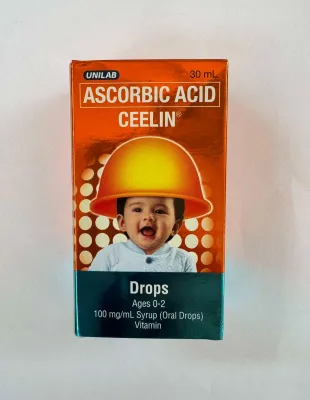
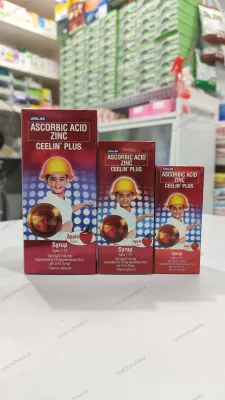
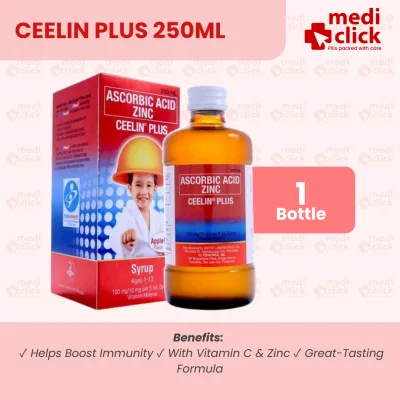
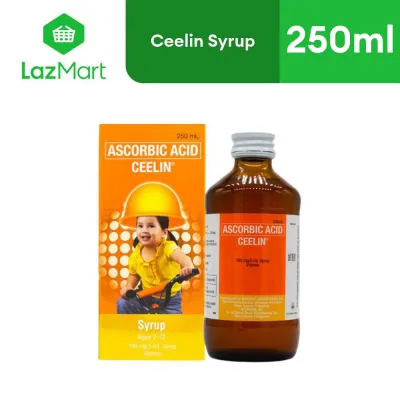
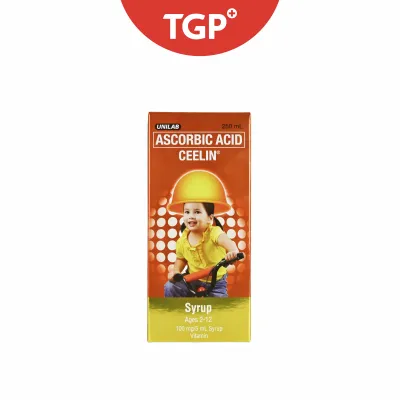
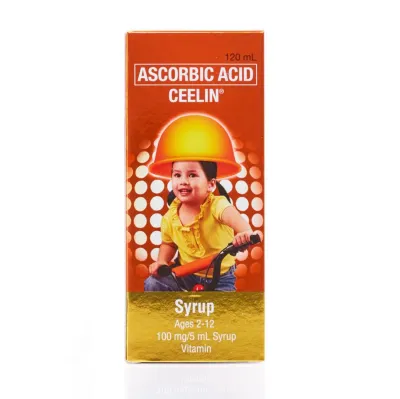
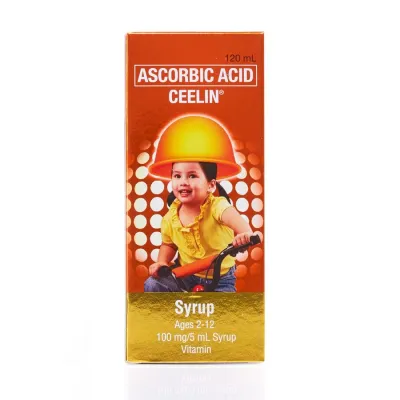
Prices are valid at publication and may change. Please refer to the product page for the latest price.
It is crucial to differentiate between daily dietary supplementation and medical treatment for diagnosed deficiencies. Daily supplements are formulated to fill minor nutritional gaps and maintain healthy baseline levels in children who may not get enough Vitamin C from their diet. In contrast, therapeutic doses are much higher and are specifically prescribed by pediatricians to treat conditions like scurvy or to assist in recovery from severe illnesses. Administering a therapeutic-strength product as a daily supplement without medical supervision can easily lead to accidental over-supplementation.
Parents must also verify the specific product variant they have purchased, as formulations are tailored to distinct age groups. For instance, infant drops are highly concentrated so that a very small volume delivers the necessary dose for a baby. Using infant drops for an older child might result in under-dosing, while giving an infant the syrup formulated for older children can lead to severe dosing errors. Always check the packaging to confirm that the product matches your child’s specific age bracket and developmental stage.
Age Guidelines and Dosage Verification
Determining the correct dosage of Vitamin C syrup requires strict adherence to the manufacturer’s guidelines rather than relying on generalized advice from online forums or well-meaning relatives. Every bottle of pediatric vitamin syrup features an age-based or weight-based dosing chart on the outer box or the bottle label. Because children of the same age can vary significantly in weight, consulting a pediatrician to get a weight-based dosage recommendation is often the safest approach.

Exceeding the recommended daily allowance (RDA) for Vitamin C can pose notable health risks to a child’s developing body. Although Vitamin C is water-soluble and excess amounts are generally excreted through urine, a child’s kidneys and digestive system have limited capacity to process sudden spikes. Consuming too much ascorbic acid can irritate the gastrointestinal tract, leading to stomach cramps, nausea, and diarrhea. Over time, chronic over-supplementation can place unnecessary strain on the kidneys and interfere with the absorption of other essential nutrients.
To prevent dosing errors, always use the exact measuring tool provided in the product packaging, such as a calibrated syringe, dropper, or measuring cup. Standard kitchen spoons are highly inaccurate and can hold anywhere from three to nine milliliters of liquid, making them completely unsuitable for pediatric medicine. After each use, wash the measuring tool thoroughly with warm water and soap, dry it completely, and store it in a clean place to prevent bacterial growth and ensure the next dose is measured accurately.
Potential Side Effects and Safety Precautions
While Vitamin C supplements are generally well-tolerated, parents should remain vigilant for potential side effects, especially when introducing the syrup for the first time. Mild gastrointestinal reactions, such as loose stools, mild abdominal bloating, or temporary nausea, can sometimes occur as the child’s digestive system adjusts to the supplement. These symptoms often resolve on their own if the dose is adjusted or taken with food, but they should always be monitored closely.
Allergic reactions to the active ingredients or the inactive components of the syrup, such as flavorings, colorants, or preservatives, are rare but possible. Watch your child closely for the first few days of administration for signs of an allergic response, which may include mild skin rashes, hives, itching, or localized swelling. If you notice any unusual physical changes or behavioral shifts shortly after your child takes the syrup, temporarily halt administration and consult your pediatrician to rule out an adverse reaction.
Safe storage is a critical component of preventing accidental pediatric poisoning or overdose. Vitamin syrups are often formulated with sweet, child-friendly flavors like orange or strawberry, making them highly appealing to curious toddlers. Always store the bottle in a high, locked cabinet that is completely out of your child’s reach and sight. Additionally, establish clear stop-use conditions: if your child experiences persistent vomiting, severe diarrhea, painful urination, or signs of a severe allergic reaction like difficulty breathing, stop the supplement immediately and seek emergency medical care.
Purchasing and Storing Vitamin Syrups Safely
Ensuring the safety of your child’s supplements begins at the point of purchase. Before buying a bottle of vitamin syrup, inspect the packaging thoroughly for tamper-evident seals, clear and legible batch numbers, and a valid expiration date. Never purchase or use a product if the outer seal is broken, the bottle appears sticky, or the printing on the label is blurry or smudged, as these can be signs of counterfeit products or improper handling.
To guarantee authenticity, purchase pediatric supplements only from licensed physical pharmacies, official brand stores, or reputable online marketplaces. Avoid buying vitamins from unauthorized third-party sellers or unregulated social media groups, where products may be counterfeit, expired, or stored in substandard conditions. In the tropical climate of the Philippines, where high heat and humidity are common, buying from reputable sources ensures that the product has been kept in a temperature-controlled environment before reaching your home.
Once at home, storing the syrup correctly is vital to maintaining its chemical stability and efficacy. Ascorbic acid is highly sensitive to light, air, and heat, which is why it is typically packaged in dark amber bottles. Keep the bottle tightly capped when not in use to prevent oxidation, which can turn the syrup dark brown and reduce its potency. Store the product in a cool, dry place where the temperature consistently stays below 30°C, away from direct sunlight and humid areas like the bathroom or near kitchen appliances.
When to Consult a Pediatrician Before Supplementing
Before introducing any new vitamin syrup to your child’s daily routine, scheduling a consultation with a pediatrician is the most responsible step you can take. A healthcare professional can evaluate your child’s overall health, current diet, and lifestyle to determine if supplementation is truly necessary. They will also review any other medications or supplements your child is taking to ensure there are no harmful drug interactions or accidental duplication of ingredients.
A pediatrician can help you assess whether a balanced diet can naturally meet your child’s nutritional needs without the need for extra supplementation. In the Philippines, a wealth of local, nutrient-rich fruits and vegetables can easily provide a child’s daily requirement of Vitamin C. Introducing foods like calamansi, guavas, papayas, mangoes, and leafy green vegetables into your child’s meals is often a more sustainable and holistic way to support their immune health than relying solely on bottled syrups.
Furthermore, certain medical conditions require strict professional supervision before any supplement is administered. For example, children diagnosed with glucose-6-phosphate dehydrogenase (G6PD) deficiency—a common genetic condition screened for at birth in the Philippines—must avoid high doses of Vitamin C, as it can trigger hemolytic anemia. Children with pre-existing kidney issues, metabolic disorders, or chronic illnesses also require carefully tailored nutritional plans that only a qualified medical professional can safely design and monitor.
Frequently Asked Questions (FAQ)
Can I mix the syrup with my child's milk or food?
You should always check the manufacturer’s label instructions before mixing vitamin syrup with any food or beverage. While some supplements can be mixed with a small amount of water or juice, mixing the syrup into a full bottle of warm milk or a large bowl of food is generally not recommended. The heat from warm milk can degrade the sensitive Vitamin C molecules, reducing their effectiveness. Additionally, if your child does not finish the entire bottle of milk or portion of food, they will not receive the complete, intended dose of the vitamin, making it difficult to track their actual intake.
What should I do if I miss a dose or accidentally give too much?
If you miss a scheduled dose of your child’s vitamin syrup, simply skip the missed dose and administer the next one at the regularly scheduled time. You should never double the dose to make up for a missed one, as this sudden increase can irritate your child’s stomach and lead to digestive discomfort. In the event of an accidental overdose—such as a child drinking from the bottle unsupervised—remain calm but act quickly. Monitor your child for symptoms like severe vomiting, diarrhea, or abdominal pain, and contact a local poison control center, your pediatrician, or visit the nearest medical clinic immediately for professional guidance.
Does my child need a vitamin supplement if they eat a balanced diet?
According to general pediatric consensus, a healthy child who consumes a diverse, balanced diet rich in whole foods, fruits, and vegetables typically does not require daily Vitamin C supplements. Natural food sources provide a complex matrix of vitamins, minerals, and dietary fiber that work together to support optimal growth and development. However, supplementation may be recommended by a pediatrician in specific situations, such as for extremely picky eaters, children with restricted diets due to allergies, or those recovering from a prolonged illness that has impacted their nutritional intake.
Community discussion
Share your experience or ask a question. Comments are reviewed before publication.