
While Vitamin C is a fundamental nutrient for human growth and development, the safety of giving Ceelin—or any other Vitamin C supplement—to an infant depends entirely on the baby’s age, weight, and specific medical requirements. For healthy infants, routine supplementation is generally unnecessary because their daily nutritional needs are already met through their standard diet.
Before introducing any over-the-counter supplement to your baby’s routine, you must verify the specific product label for age appropriateness and consult a pediatrician. Administering vitamins to infants, particularly those under one year of age, requires careful professional oversight to ensure correct dosing and to prevent unnecessary strain on their developing bodies.
Is Ceelin Safe for Infants? The Short Answer
Ceelin is a widely recognized brand of ascorbic acid (Vitamin C) formulated for children, but its safety for infants is highly conditional. It is not a one-size-fits-all product. Whether it is safe for your specific baby depends on their developmental stage, their current weight, and whether a medical professional has identified a genuine need for supplementation.
Products mentioned in this guide
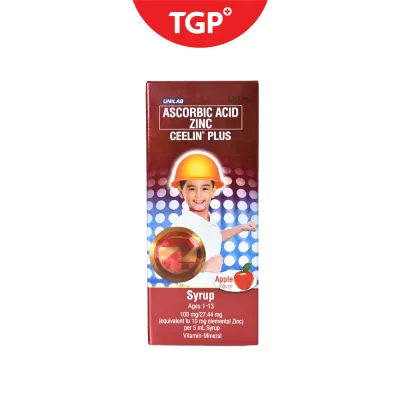
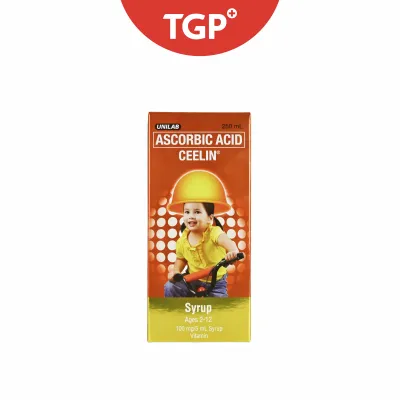






Prices are valid at publication and may change. Please refer to the product page for the latest price.
For infants under one year old, the digestive and renal systems are still immature and highly sensitive. Introducing concentrated liquid vitamins without a doctor’s recommendation can overload these systems. Breastmilk and commercial infant formulas are scientifically designed to provide the precise amount of Vitamin C a healthy baby needs, making additional supplementation redundant in most cases.
Furthermore, parents must distinguish between different product formulations. The brand offers distinct preparations, such as concentrated drops and syrups, which have vastly different concentrations of active ingredients. Giving an infant a formulation meant for older children can lead to accidental and dangerous overdosing. Always check the manufacturer’s packaging to confirm if the product is explicitly labeled for infant use, and never administer it without first obtaining a personalized dosage plan from your pediatrician.
Do Infants Actually Need Vitamin C Supplements?
Vitamin C, or ascorbic acid, plays several vital roles in a baby’s growing body. It is essential for the synthesis of collagen, which helps form healthy bones, cartilage, skin, and blood vessels. Additionally, Vitamin C is a powerful antioxidant that supports the immune system and significantly enhances the absorption of non-heme iron—the type of iron found in plant-based foods—which becomes increasingly important as babies transition to solid foods.

Despite these benefits, healthy infants rarely require external Vitamin C supplements. Nature and modern pediatric nutrition provide ample sources of this nutrient:
- Breastmilk: The breastmilk of a well-nourished mother naturally contains high concentrations of Vitamin C, which are easily absorbed by the infant's digestive system.
- Infant Formula: Commercial infant formulas are strictly regulated and fortified with standardized levels of Vitamin C to ensure babies receive their daily recommended intake.
- Weaning Foods: When babies begin eating solid foods around six months of age, introducing age-appropriate fruits and vegetables—such as pureed papaya, mangoes, broccoli, and sweet potatoes—naturally supplies more than enough Vitamin C to meet their growing needs.
Pediatricians typically reserve Vitamin C prescriptions for very specific, limited scenarios. These include infants diagnosed with clinical vitamin deficiencies, those suffering from malabsorption syndromes that prevent proper nutrient uptake, or babies on highly restricted therapeutic diets due to severe allergies. If your baby is healthy, growing well, and meeting their developmental milestones, their daily diet is almost certainly providing all the Vitamin C they require.
Potential Side Effects and Risks to Watch For
Although Vitamin C is a water-soluble vitamin—meaning the body generally excretes excess amounts through urine—an infant’s organs are not fully equipped to process high concentrations of synthetic nutrients. Over-supplementation can lead to several adverse effects that range from mild discomfort to more serious systemic strain.
Gastrointestinal Discomfort
An excess of Vitamin C in an infant’s digestive tract can cause osmotic diarrhea. Because the baby’s intestines cannot absorb the surplus ascorbic acid, the unabsorbed vitamin draws water into the bowel. This can result in watery stools, painful stomach cramps, bloating, and nausea. The frequent, acidic diarrhea associated with excess Vitamin C can also lead to severe diaper rash, causing significant distress for your baby.
Risks of Over-Supplementation
Every developmental stage has a established Tolerable Upper Intake Level (UL) for nutrients. When an infant chronically receives more Vitamin C than their body can utilize or safely excrete, it places an unnecessary workload on their immature kidneys. Over time, this chronic strain can disrupt the delicate fluid and electrolyte balance in a baby’s body and potentially interfere with the absorption of other essential nutrients, such as copper and Vitamin B12.
Additives and Inactive Ingredients
Liquid pediatric supplements are not composed of pure Vitamin C; they require inactive ingredients to remain stable, palatable, and shelf-stable. When examining a bottle of Ceelin, parents must carefully read the ingredient list for additives. Some formulations contain added sugars, artificial sweeteners, flavorings, colorings, or preservatives like sodium benzoate. These inactive ingredients are not ideal for an infant’s developing gut and can occasionally trigger allergic reactions, skin rashes, or digestive sensitivities in vulnerable babies.
Essential Precautions Before Giving Ceelin to Your Baby
If your pediatrician has evaluated your baby and determined that a Vitamin C supplement is medically necessary, you must take strict precautions to ensure it is administered safely.
Verifying Age and Dosage on the Label
Never assume that any bottle of Ceelin is safe for your infant. You must read the manufacturer’s label to confirm the specific formulation. Ceelin Drops are typically concentrated and designed for infants, whereas Ceelin Syrup is formulated with a lower concentration per milliliter and is intended for older children.
Always use the calibrated dropper or syringe that comes packaged with the specific product you purchased. Never substitute household spoons, kitchen measuring tools, or droppers from other medications, as these are highly inaccurate and can easily lead to a severe underdose or a dangerous overdose.
Consulting Your Pediatrician
Do not rely on generic dosage charts found online or advice from well-meaning relatives. A pediatrician must calculate the exact dosage of Vitamin C based on your baby’s current weight and overall dietary intake. This professional calculation ensures that the supplement does not unsafely overlap with the Vitamin C already present in your baby’s infant formula, fortified milk, or other prescribed multivitamins.
Proper Storage in a Tropical Climate
Ascorbic acid is highly sensitive to environmental factors such as light, heat, and oxygen, which can cause it to degrade rapidly. In tropical, humid environments, maintaining the potency and safety of liquid vitamins requires extra care.
Always consult the product’s packaging for specific storage instructions. Keep the bottle tightly closed, store it in a cool place below 30°C, and protect it from direct sunlight. Check the label to determine if the manufacturer recommends refrigeration after opening, and always discard the product if it has passed its expiration date or if the liquid has changed color significantly, which indicates oxidation.
Red Flags: When to Stop Use and Seek Medical Help
As a caregiver, you must monitor your baby closely after administering any new supplement. If you observe any adverse reactions, discontinue use immediately and seek professional medical guidance.
Contact your pediatrician or seek medical attention if your baby exhibits any of the following signs:
- Allergic Reactions: Look for hives, unexplained skin rashes, swelling of the face, lips, tongue, or throat, or any sudden difficulty breathing or wheezing.
- Severe Digestive Distress: Watch for persistent vomiting, severe or watery diarrhea, or signs of intense abdominal pain, such as the baby crying inconsolably while pulling their legs up to their chest.
- Behavioral Changes: Take note of unusual lethargy, extreme sleepiness, or a sudden refusal to feed.
When consulting a healthcare professional or visiting an emergency room, ensure you have all the necessary information prepared. Bring the physical bottle of the supplement with you so the medical staff can verify the exact ingredients and concentration. Be ready to provide the precise dose you administered, the exact time you gave it, and a clear timeline of when the symptoms first appeared.
Never attempt to treat these side effects with home remedies, and do not administer over-the-counter anti-diarrheal medications or antihistamines to an infant without a direct prescription from a doctor.
Frequently Asked Questions (FAQ)
Can I give Ceelin to a newborn under 6 months?
Generally, no. Newborns and young infants under six months of age should not be given Ceelin or any other Vitamin C supplement unless it is explicitly prescribed by a neonatologist or pediatrician. During the first six months of life, breastmilk or standard infant formula provides the complete, balanced nutrition your baby needs. Introducing unnecessary supplements can place an unsafe burden on their highly sensitive, developing kidneys and digestive tract.
What should I do if I accidentally give my baby too much Ceelin?
If you suspect you have administered an accidental overdose, stop giving the supplement immediately. Carefully monitor your baby for signs of gastrointestinal distress, such as vomiting, severe diarrhea, or abdominal pain. Contact your pediatrician or your local poison control hotline right away. Be prepared to read the exact concentration from the product label and provide an estimate of the volume your baby consumed so they can advise you on the appropriate next steps.
Can Ceelin be mixed with breastmilk or formula?
Before mixing any supplement with your baby’s milk, you must consult the product’s package instructions and your pediatrician. Generally, pediatricians advise against mixing liquid vitamins into a full bottle of breastmilk or formula. If your baby does not finish the entire bottle, they will not receive the prescribed dose, making it difficult to track their actual intake. If mixing is approved, it is usually safer to administer the dose directly into the inside of the baby’s cheek using the provided dropper, or mix it with a very small, easily consumable portion of milk in a separate syringe.
Community discussion
Share your experience or ask a question. Comments are reviewed before publication.