
Ensuring your child receives the right nutritional support is a primary concern for parents, especially when navigating seasonal changes, school environments, and common childhood illnesses. In the Philippines, where tropical weather can bring sudden shifts in temperature and high humidity, keeping a child’s immune system resilient is a daily priority. Many parents turn to over-the-counter dietary supplements to help bridge nutritional gaps and support overall health.
Among the most prominent options available is Ceelin Immunped, a widely recognized liquid supplement designed specifically for pediatric use. While this supplement is highly popular, parents frequently ask whether it is entirely safe for their children, what the correct dosage is for different age groups, and what precautions must be taken to prevent accidental over-supplementation. This guide provides a detailed, evidence-based analysis of the safety profile of this supplement, explaining how its active ingredients function, how to measure dosages accurately, and how to identify potential side effects.
Quick Answer: Is Ceelin Immunped Safe for Children?
Ceelin Immunped is generally safe for children when it is administered strictly in accordance with the manufacturer’s age-specific instructions or under the direct guidance of a qualified pediatrician. Because it is formulated specifically for pediatric use, the concentrations of its active components are tailored to meet the physiological needs of growing children. However, its safety is not absolute; it is highly dependent on precise dosing, proper storage, and the individual health profile of your child.
Products mentioned in this guide

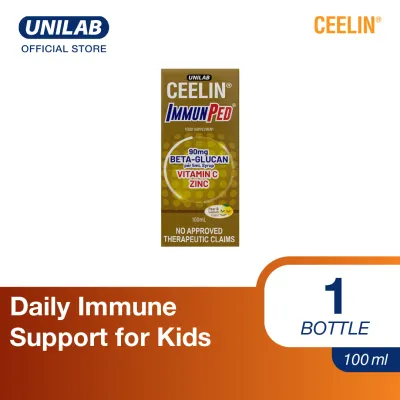
Prices are valid at publication and may change. Please refer to the product page for the latest price.
The primary risk associated with any pediatric supplement does not stem from the product itself, but from improper administration. Giving a child more than the recommended dose, using the wrong product variant for their age, or combining multiple supplements can lead to over-supplementation. In some cases, excessive intake of certain nutrients can cause adverse health effects ranging from mild digestive discomfort to more serious systemic issues.
Before administering any liquid supplement, parents must perform a few basic safety checks. Always inspect the product packaging for any signs of tampering, ensure the bottle’s safety seal is intact, and verify the expiration date printed on the carton or label. In a warm and humid environment like the Philippines, improper storage can compromise the stability of the active ingredients, so verifying that the product has been kept in a cool, dry place is equally essential for safety.
What Are the Active Ingredients and Their Roles?
To understand why dosage limits are so strictly enforced, it is helpful to examine the active ingredients in Ceelin Immunped. This supplement combines two primary active components: Vitamin C (ascorbic acid) and Zinc. Together, these nutrients form a synergistic combination designed to support the body’s natural defenses, promote wound healing, and assist in various metabolic processes during critical stages of childhood development.

Vitamin C is an essential water-soluble vitamin that plays a vital role in protecting cells from oxidative stress. It acts as a powerful antioxidant, neutralizing free radicals that can damage cellular structures. Additionally, Vitamin C supports the function of various immune cells, such as white blood cells, which are responsible for fighting off infections. It also plays a key role in collagen synthesis, which is necessary for healthy skin, blood vessels, bones, and cartilage.
Zinc, on the other hand, is an essential trace mineral that is required for the activity of over 300 enzymes in the human body. In children, zinc is crucial for cellular division, protein synthesis, DNA synthesis, and overall physical growth. From an immunological perspective, zinc is necessary for the development and activation of T-lymphocytes, which are critical components of the adaptive immune system. A deficiency in zinc can lead to impaired immune function, delayed wound healing, and stunted growth.
The physiological difference in how the human body processes these two nutrients is the primary reason why strict dosage adherence is critical. Vitamin C is water-soluble, meaning the body does not store it in large quantities. When a child consumes more Vitamin C than their body requires, the kidneys filter out the excess, which is then excreted through urination. While this water-soluble nature provides a safety buffer against severe toxicity, extremely high doses can still irritate the gastrointestinal tract.
In contrast, Zinc is a trace mineral, and the body has no specialized system for storing or easily excreting excess amounts. When zinc is consumed in excessive quantities over a prolonged period, it can accumulate in the body’s tissues. This accumulation can disrupt the balance of other essential minerals, particularly copper, and lead to acute or chronic toxicity. Therefore, while both ingredients are highly beneficial, the presence of zinc necessitates a much higher level of caution regarding daily intake limits.
How to Find and Measure the Correct Age-Based Dosage
Determining the correct dosage of Ceelin Immunped requires careful attention to detail, as the appropriate amount varies significantly based on your child’s age, weight, and the specific formulation of the product. The manufacturer produces different variants, such as pediatric drops for infants and syrup for older children. These variants have different concentrations of Vitamin C and Zinc per milliliter, meaning that a dose measured from a syrup bottle cannot be calculated the same way as a dose from a drops bottle.
To find the correct dosage, always refer to the dosage chart printed on the product’s outer carton or the patient information leaflet enclosed in the box. This chart typically categorizes dosages by age brackets or weight ranges. If your child’s weight and age do not align with the standard categories, or if you are unsure which dosage applies, do not guess. Consult a pediatrician or a registered pharmacist to obtain a precise recommendation tailored to your child’s specific physical development.
One of the most common errors in administering liquid medication to children is using standard household spoons, such as teaspoons or tablespoons. Household spoons are not standardized; their volumes can vary from 3 mL to 9 mL, making them highly inaccurate for medical dosing. To prevent accidental under-dosing or over-dosing, always use the dedicated measuring tool provided in the product packaging. For infants, this is typically a calibrated plastic dropper, while for older children, it is usually a small measuring cup or an oral dosing syringe.
Before starting your child on this or any other dietary supplement, a consultation with a pediatrician is highly recommended, and it is absolutely mandatory for infants under one year of age. Infants have immature digestive and renal systems that process nutrients differently than older children. A pediatrician can evaluate whether your child actually requires supplementation, verify that there are no contraindications, and provide a safe, personalized dosing schedule.
When administering the supplement, some children may object to the taste or texture of the liquid. To make administration easier, you can mix the measured dose with a small amount of room-temperature water, breast milk, infant formula, or non-acidic fruit juice, provided you consult the product packaging or a healthcare professional first to ensure compatibility. Avoid mixing the supplement with hot liquids or warm food, as high temperatures can degrade Vitamin C, rendering it less effective. Ensure your child consumes the entire mixture immediately to guarantee they receive the full intended dose.
Recognizing Side Effects and Signs of Over-Supplementation
While Ceelin Immunped is formulated to be gentle on a child’s system, excessive intake can lead to adverse reactions. As a parent, being able to recognize the early signs of over-supplementation allows you to take prompt action and prevent more serious health complications. The symptoms of excessive intake generally present as gastrointestinal distress, but they can vary depending on which active ingredient has been over-consumed.
When a child receives too much Vitamin C, the unabsorbed vitamin remains in the large intestine, where it draws water into the bowel through osmosis. This process commonly results in mild to moderate gastrointestinal symptoms. You should monitor your child for signs such as:
- Stomach cramps or abdominal bloating
- Loose stools or watery diarrhea
- Nausea or mild vomiting
- Increased flatulence or general fussiness
These digestive symptoms are typically temporary and subside once the excess Vitamin C is excreted and the supplement is discontinued. However, persistent diarrhea can lead to dehydration, especially in young children living in warm, tropical climates.
Over-supplementation of Zinc is a more serious concern due to the mineral’s potential to accumulate in body tissues. Acute zinc toxicity can manifest rapidly if a child ingests a large quantity of the supplement at once. Parents should watch for the following symptoms of excessive zinc intake:
- Persistent or severe vomiting
- Intense abdominal pain or cramping
- Loss of appetite or refusal to eat
- A metallic taste in the mouth, which older children may complain about
- Headaches, dizziness, or unusual lethargy
It is vital to differentiate between mild, temporary digestive upset and a severe adverse reaction that requires immediate medical intervention. Mild symptoms, such as a single episode of loose stools, can often be managed by stopping the supplement and monitoring the child. However, if your child exhibits signs of a severe allergic reaction—such as a sudden skin rash, hives, swelling of the face, lips, tongue, or throat, or any difficulty breathing—you must seek emergency medical care immediately.
If you suspect your child has ingested an overdose of the supplement, whether through a measuring error or because they accessed the bottle independently, take immediate action. Stop administering the supplement immediately. Do not attempt to induce vomiting, as this can cause further irritation or aspiration risks. Offer your child small sips of water to help dilute the ingredients in their stomach. Contact a pediatrician, visit the nearest emergency medical facility, or call a local poison control center right away, ensuring you bring the product bottle with you so the medical staff can verify the exact formulation.
Essential Precautions and When to Consult a Pediatrician
To maintain a high standard of safety, parents must observe several essential precautions when incorporating Ceelin Immunped into their child’s daily routine. One of the most critical precautions is avoiding the practice of “nutrient stacking.” Many commercial children’s products, including daily multivitamins, fortified milk powders, breakfast cereals, and processed juices, are heavily fortified with Vitamin C and Zinc. If you administer this supplement alongside these other products without calculating the cumulative daily intake, you may inadvertently exceed the Tolerable Upper Intake Level (UL) for your child’s age group.
There are specific medical conditions and situations where the use of this supplement is contraindicated or requires extreme caution. For example, children diagnosed with Glucose-6-Phosphate Dehydrogenase (G6PD) deficiency must be monitored closely, as high doses of Vitamin C can potentially trigger hemolytic anemia in these individuals. If your child has a history of kidney stones, renal impairment, or any chronic health condition, you must obtain explicit clearance from a pediatric specialist before introducing any new supplement.
Proper storage is another fundamental safety measure that is often overlooked. Liquid pediatric supplements are formulated with sweet, fruit-flavored syrups to make them palatable to young children. To a toddler, the bottle may look and taste like juice or candy, making it a high-risk target for accidental ingestion. Always store the bottle securely in a locked cabinet or a high shelf that is completely out of your child’s reach and sight. Additionally, keep the bottle tightly closed and store it in a cool, dry place below 30°C to preserve the chemical stability of the vitamins and minerals, protecting them from the high humidity and heat common in tropical regions.
Finally, it is important to remember that dietary supplements are designed to support, not replace, a healthy and balanced diet. The human body is optimized to absorb vitamins and minerals from whole food sources. Encourage your child to eat a diverse range of nutrient-rich foods, such as local fresh fruits (like papaya, mango, and citrus fruits), vegetables, lean proteins, and legumes. A balanced diet provides a complex matrix of fiber, macronutrients, and micronutrients that work together naturally to support robust immune health, reducing the child’s reliance on synthetic supplements.
Frequently Asked Questions (FAQ)
Can I give this supplement to my baby under 1 year old?
Supplements should only be given to infants under 1 year of age under the direct supervision and prescription of a pediatrician. For healthy infants, breast milk or infant formula provides all the necessary vitamins, minerals, and immune-supporting compounds required for their development. Introducing over-the-counter supplements prematurely can strain an infant’s developing kidneys and digestive system. If you suspect your baby has a nutritional deficiency, consult your pediatrician for a proper clinical assessment rather than self-prescribing.
What should I do if my child accidentally takes a double dose?
If your child accidentally receives or consumes a double dose of the supplement, remain calm and stop further administration immediately. Monitor your child closely over the next 24 hours for any gastrointestinal symptoms, such as stomach pain, nausea, vomiting, or diarrhea. Encourage them to drink small amounts of water to help flush the excess water-soluble components from their system. If they show persistent symptoms, exhibit unusual lethargy, or if you are uncertain of the exact amount they consumed, contact your pediatrician or a local healthcare facility immediately for professional guidance.
Can my child take this alongside other daily multivitamins?
It is generally not recommended to combine this supplement with other daily multivitamins unless specifically advised by a healthcare professional. Most comprehensive pediatric multivitamins already contain standard daily allowances of Vitamin C and Zinc. Combining them can easily cause your child to exceed the safe daily limits for these nutrients, particularly zinc, which can accumulate in the body. Always read the ingredient labels of all supplements your child takes and consult a pediatrician or pharmacist to verify that the combined daily totals are safe.
Community discussion
Share your experience or ask a question. Comments are reviewed before publication.