
When looking for ways to support your child’s daily nutritional intake, you might consider options like Ceelin gummies for kids. These chewable supplements have become a popular choice among parents in the Philippines because they turn daily vitamin routines into an easy, fuss-free experience. However, the very characteristics that make these gummies appealing—their sweet taste, chewable texture, and candy-like appearance—also introduce critical safety questions that every caregiver must address.
Ceelin gummies for kids are generally safe when administered strictly in accordance with the manufacturer’s packaging instructions and under the direct supervision of a pediatrician. While these supplements can help support a child’s daily nutritional intake, their safety relies heavily on two primary boundaries: preventing physical choking hazards in children who are developmentally unready, and avoiding accidental over-supplementation from treating the vitamins as everyday treats. This guide provides essential educational insights to help you verify product labels, evaluate physical readiness, and establish safe storage practices. It is not a substitute for professional medical advice, and you should always consult your child’s pediatrician before introducing any new supplement to their daily routine.
Ingredient Profile: What Is Actually in the Gummies?
To make informed decisions about your child’s health, you must look beyond the front of the packaging and carefully examine the nutritional facts panel. The primary active ingredient in Ceelin Gummies is Vitamin C (ascorbic acid), which is widely recognized for its role in supporting immune function and acting as an antioxidant. Depending on the specific product variant or formulation updates available on the market, some gummy supplements may also include other micronutrients, such as Zinc, to provide dual immune support. You should always check the exact concentration of these active ingredients per individual gummy, as formulations can vary significantly between different product lines and batches.
Products mentioned in this guide

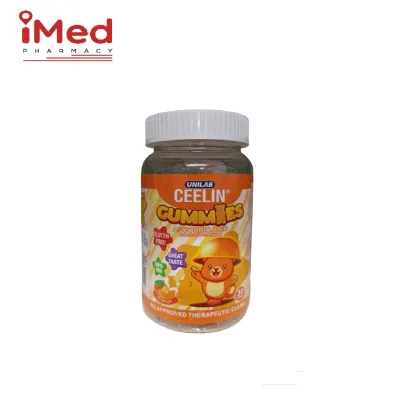
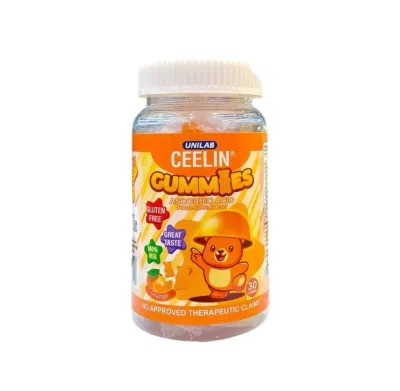


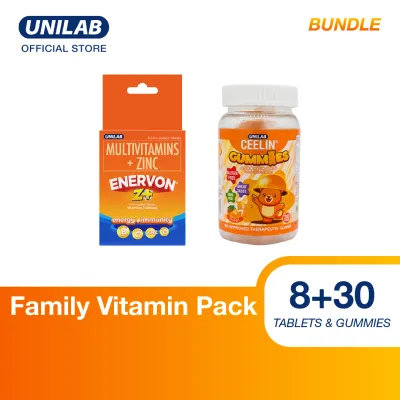

Prices are valid at publication and may change. Please refer to the product page for the latest price.
Beyond the active vitamins, the inactive ingredients play a major role in the supplement’s physical form, taste, and preservation. Gummy vitamins typically contain added sugars, glucose syrup, or alternative sweeteners to mask the naturally tart flavor of Vitamin C. They also utilize gelling agents—such as animal-derived gelatin or plant-based pectin—along with citric acid, natural or artificial flavors, and food colorings. If your child has specific food sensitivities, allergies, or dietary restrictions (such as a gelatin sensitivity), verifying these inactive ingredients on the physical packaging is absolutely vital. Furthermore, the sticky nature of these ingredients means they can easily adhere to your child’s teeth, highlighting the need for prompt dental hygiene after consumption to prevent cavities.
When evaluating these ingredients, you must cross-reference the listed vitamin amounts with your child’s overall diet. Children obtain vitamins from everyday foods, including fortified milk, cereals, and local fruits like calamansi, mangoes, and papayas. To prevent over-supplementation, compare the total daily intake from all food and supplement sources against the Tolerable Upper Intake Level (UL) established for your child’s specific age group. Remember that brand names, eye-catching labels, and product titles are never substitutes for the precise nutritional data printed on the physical ingredient panel.
Age Guidelines: Choking Risks and Readiness
While nutritional suitability is important, physical safety must always come first when deciding if a child is ready for gummy vitamins. The most immediate physical risk associated with any gummy supplement is choking. Unlike liquid drops or syrup formulations that slide down easily, gummies have a dense, rubbery texture that requires thorough, coordinated chewing before swallowing. For infants and toddlers who are still developing their primary teeth and oral motor skills, these gummies present a significant choking hazard.

To safeguard your child, always check the manufacturer’s explicit minimum age recommendation printed on the product label. For most gummy vitamins, this age threshold is typically set at four years and older, reflecting the stage at which most children have developed the necessary molars and chewing coordination. You must never assume a younger child can handle a gummy simply because they are tall or have a hearty appetite. If your child is currently taking liquid drops or chewable tablets, any transition to a gummy format should be discussed with and approved by your pediatrician.
Before introducing gummies, look for clear, observable signs of developmental readiness in your child. Your child should be able to successfully chew and swallow other thick, chewy solid foods without gagging, coughing, or showing distress. They must also be developmentally capable of sitting upright independently and following your explicit instructions to chew the gummy completely into a soft paste before swallowing. If your child struggles with these textures, shows a tendency to gulp food quickly, or has any developmental delays affecting their swallowing reflex, do not offer gummy vitamins. Stop use immediately if you observe any coughing or difficulty during administration.
Dosage Rules: Safe Limits for Ceelin Gummies for Kids
Determining the correct daily dose of Ceelin gummies for kids requires strict adherence to clinical guidelines rather than your child’s personal preferences. Because these supplements taste like candy, children will often beg for more than the recommended serving. You must establish a firm rule that the daily dosage is determined solely by the product’s label instructions, calibrated carefully to your child’s age and weight, and validated by your pediatrician. Never increase the dosage under the assumption that “more is better” for their immune system.
A critical step in safe dosing is accounting for cumulative nutrient intake. Many modern household foods in the Philippines, such as powdered milk, breakfast cereals, and juice drinks, are heavily fortified with Vitamin C and Zinc. If your child is also taking a daily multivitamin syrup or eating a diet rich in fresh local produce, adding gummy supplements can easily push their total daily intake past safe limits. Keep a detailed log of everything your child consumes to ensure their combined daily intake remains well below the Tolerable Upper Intake Level (UL) for their age bracket.
Although Vitamin C is a water-soluble nutrient—meaning the body typically excretes excess amounts through urine—megadoses are not entirely harmless. Consuming too much Vitamin C can irritate the gastrointestinal tract, leading to stomach cramps, nausea, and diarrhea. The risks increase significantly if the specific gummy variant you choose contains minerals like Zinc or fat-soluble vitamins, which accumulate in the body’s tissues and can lead to serious systemic toxicity over time.
To manage daily administration safely, establish a structured routine. Always dispense the gummies yourself, and keep the bottle completely out of your child’s sight and reach during the process. Crucially, never refer to the supplements as “candy,” “sweets,” or “treats,” and avoid using them as behavioral rewards or bribes. Doing so reinforces a dangerous association, making children more likely to seek out and consume the gummies covertly if they find where the bottle is stored.
Potential Side Effects and When to Stop
Even when administered at the correct dosage, some children may experience mild side effects from gummy vitamins. These reactions are often linked to digestive sensitivity. The high concentration of Vitamin C, citric acid, or alternative sweeteners (such as sugar alcohols) used in the gummy base can sometimes cause temporary stomach upset, mild abdominal bloating, nausea, or loose stools. If you notice these mild symptoms, it is wise to review the daily dosage and consult your pediatrician to see if a different formulation or a temporary pause is necessary.
More serious, though less common, are allergic reactions to the specific ingredients within the gummy. Children can be sensitive to artificial colorings, flavoring agents, or the protein sources used to make gelatin. You must monitor your child closely after they consume a gummy, especially during the first few days of introducing the supplement. Watch for signs of an allergic reaction, which include skin rashes, hives, itching, facial or tongue swelling, dizziness, or any level of breathing difficulty. If any of these signs appear, stop using the product immediately and seek urgent medical attention at the nearest healthcare facility.
You should also establish clear “stop-use” conditions based on your child’s daily behavior and physical health. If your child experiences persistent digestive issues, displays an intense preference for the sweet gummies that leads them to refuse healthy, regular meals, or exhibits any gagging or swallowing difficulties, discontinue the supplement right away.
In the event of a suspected or confirmed accidental overdose—such as a child finding the bottle and eating multiple gummies at once—do not wait for physical symptoms to develop. Immediately contact your pediatrician, visit the nearest hospital emergency room, or call the National Poison Management and Control Center in the Philippines. Having the physical product packaging in your hand during the call is critical, as medical professionals will need to know the exact active ingredients and concentrations to provide the correct treatment instructions.
Safe Storage to Prevent Accidental Overdose
Because gummy vitamins are designed to be highly palatable, they present a unique household safety hazard. Children cannot distinguish between a health supplement and a confectionery treat, making secure storage your primary line of defense against accidental poisoning. You must store the supplement bottle in a locked cabinet, a high pantry shelf, or a secure drawer that is completely inaccessible and invisible to your child. Never leave the bottle on countertops, dining tables, or bedside stands, even for a few minutes.
Managing storage is also essential for preserving the physical and chemical integrity of the supplement, especially in the tropical climate of the Philippines. High ambient temperatures and persistent humidity can rapidly degrade gummy vitamins. When exposed to heat, the gelatin or pectin base can melt, causing the individual gummies to fuse into a single sticky mass. This clumping makes accurate dosing impossible and can accelerate the loss of vitamin potency.
To maintain safety and quality, always store the bottle in a cool, dry place, ideally below 30°C, away from direct sunlight and moisture-prone areas like the kitchen sink or bathroom. Ensure the child-resistant cap is tightly sealed and fully engaged after every single use. Before dispensing a gummy, inspect the physical state of the product; if you notice melting, an unusual odor, discoloration, or if the product has passed its printed expiration date, discard the bottle safely and replace it.
Frequently Asked Questions (FAQ)
Can my child take Ceelin gummies if they already eat a balanced diet?
If your child regularly consumes a well-balanced diet rich in whole foods—including local fruits like calamansi, papayas, and mangoes, alongside fresh vegetables—they are likely already meeting their daily nutritional requirements for Vitamin C. Dietary supplements are designed to fill specific nutritional gaps rather than replace wholesome meals. Introducing a vitamin supplement when your child’s diet is already optimal can lead to unnecessary over-supplementation. Before adding Ceelin Gummies or any other supplement to your child’s daily routine, consult a pediatrician. They can assess your child’s unique growth, dietary habits, and physical health to determine if a daily supplement is truly necessary or if dietary adjustments alone are sufficient.
What should I do if my child accidentally eats too many gummies?
If you discover or suspect that your child has consumed an excessive number of gummy vitamins, you must act quickly and systematically. First, remain calm and immediately take the bottle away from your child to prevent further consumption. Inspect the bottle to estimate as accurately as possible how many gummies are missing and determine approximately when the ingestion occurred. Do not attempt to induce vomiting or administer home remedies, as these actions can cause throat irritation or accidental aspiration. Instead, contact your pediatrician or the National Poison Management and Control Center immediately. Keep the physical product packaging in your hand so you can read the exact ingredient list, concentrations, and manufacturing details directly to the medical professional for precise guidance.
Community discussion
Share your experience or ask a question. Comments are reviewed before publication.