
Yes, calcium lactate—the active ingredient in the brand Calactate—is generally considered safe and highly beneficial during pregnancy when consumed within recommended limits. During gestation, your body requires a steady supply of calcium to support both your own physiological needs and the rapid development of your growing baby. Because Calactate is a specific brand of calcium lactate, it serves as an accessible option for expectant mothers looking to meet these nutritional demands.
However, because maternal health profiles, dietary habits, and prenatal requirements vary widely, you must consult your obstetrician-gynecologist (OB-GYN) or primary healthcare provider before starting, stopping, or adjusting any supplement regimen. Every pregnancy is unique, and a professional medical evaluation is the safest way to determine the correct supplement strategy for you and your baby.
Why Your Body Needs Calcium During Pregnancy
During the nine months of gestation, a developing baby relies entirely on maternal stores for all nutritional needs. Calcium is a foundational building block required to construct a strong fetal skeleton, assist in early dental development, and support the proper functioning of the baby’s heart, muscles, nerves, and blood-clotting mechanisms. This demand peaks dramatically during the third trimester, when the baby’s bones undergo rapid mineralization.
Products mentioned in this guide

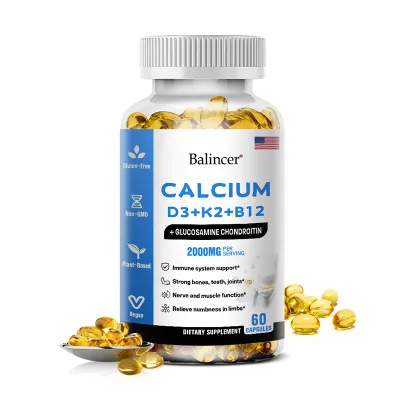

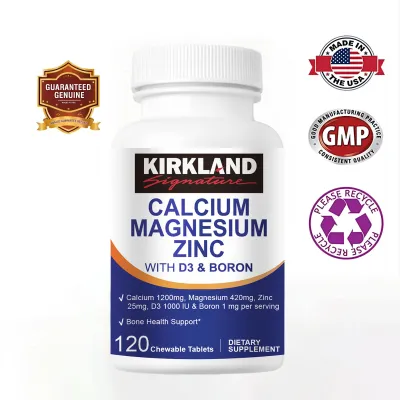
Prices are valid at publication and may change. Please refer to the product page for the latest price.
If your dietary intake of calcium is insufficient to support this growth, your body will prioritize the fetus by drawing the necessary calcium directly from your own bones. This maternal bone resorption is a natural protective mechanism for the baby, but it can compromise your long-term bone density. Over time, inadequate calcium intake during pregnancy can increase a mother’s risk of developing dental issues, joint pain, and osteoporosis later in life.
Calcium lactate is a highly soluble form of calcium that the human body can absorb efficiently. Compared to other common forms like calcium carbonate, calcium lactate contains a lower percentage of elemental calcium by weight. This means you may need to take a larger tablet or multiple doses to meet your daily requirements. It is essential to check your specific product label to understand the exact elemental calcium yield per tablet and verify how it aligns with your doctor’s recommendations.
Potential Side Effects of Calcium Lactate Supplements
While calcium lactate is generally gentler on the digestive tract than some other calcium compounds, introducing any new supplement can cause mild gastrointestinal side effects. Constipation is the most common complaint among pregnant women taking calcium. This issue is often compounded by high levels of progesterone during pregnancy, which naturally relaxes the muscles of the digestive tract and slows down bowel movements. Other potential digestive side effects include mild bloating, gas, and temporary stomach discomfort.

Consuming calcium in excessive amounts can lead to more serious health complications. An overabundance of calcium in your system increases the workload on your kidneys, which can elevate the risk of developing painful kidney stones. In rare cases, chronic over-supplementation can lead to hypercalcemia, a condition characterized by abnormally high levels of calcium in the bloodstream. Hypercalcemia can impair kidney function, weaken bones, and interfere with the electrical signals of the heart and brain.
When starting a new prenatal supplement like Calactate, it is wise to monitor your body’s response closely over the first few weeks. Pay attention to changes in your digestion, energy levels, and overall comfort. Keeping a simple log of how you feel can provide valuable information for your healthcare provider during your regular prenatal checkups, allowing them to adjust your regimen if necessary.
Recognizing Mild vs. Severe Reactions
It is important to understand the difference between expected, manageable side effects and severe reactions that require immediate medical intervention. Distinguishing between these two categories helps you stay comfortable while keeping yourself and your baby safe.
Mild, manageable symptoms include:
- Occasional mild constipation
- Slight abdominal gas or flatulence
- Minor bloating after taking the tablet
Severe red flags that require immediate medical care include:
- Severe, persistent abdominal pain or cramping
- Unexplained confusion, dizziness, or extreme fatigue
- An irregular or rapid heartbeat
- Excessive, unquenchable thirst
- Unusually frequent urination
If you experience any of these severe symptoms, stop taking the supplement immediately and contact your OB-GYN or seek emergency medical care.
Crucial Precautions and Dosage Guidelines to Follow
To ensure safety, you must follow doctor-prescribed dosages rather than self-prescribing based on general guidelines found online. Your OB-GYN will calculate your exact calcium needs by evaluating your daily diet, your overall health, and the nutrient content of your primary prenatal multivitamin. This personalized approach prevents both under-supplementation and the risks associated with accidental overdose.
Always check the physical packaging and product label of your Calactate supplement before your first dose. Verify the amount of elemental calcium per tablet and look for any added ingredients, preservatives, or excipients. Because manufacturing formulations can change, checking the label directly ensures you are aware of exactly what you are consuming.
Calcium is a highly reactive mineral that can significantly interfere with the absorption of other critical medications and supplements. Most notably, calcium binds with iron in the digestive tract, drastically reducing your body’s ability to absorb prenatal iron supplements. This interaction can increase your risk of developing gestational anemia. Calcium also inhibits the absorption of thyroid medications, such as levothyroxine, and certain classes of antibiotics, including tetracyclines.
To prevent these interactions, practice strict spacing guidelines. Ensure there is a window of at least two hours between taking your Calactate supplement and taking any iron supplements, thyroid medications, or antibiotics. This simple habit allows your body to absorb each compound fully and prevents nutritional deficiencies or reduced drug efficacy.
Best Practices for Taking Calactate Safely
Because calcium lactate does not require stomach acid to dissolve and absorb as much as calcium carbonate does, you can take Calactate with or without food. However, taking it with a light meal or snack can help minimize any potential stomach upset or nausea, which is particularly helpful if you are dealing with pregnancy-related morning sickness. Always follow the specific manufacturer instructions on the product packaging regarding timing and administration.
Your body can only absorb a limited amount of elemental calcium at one time—typically around 500 milligrams. If your healthcare provider prescribes a high daily dose of calcium, it is highly beneficial to split the amount into two or more smaller doses taken throughout the day. Splitting your doses maximizes absorption efficiency and reduces the likelihood of experiencing gastrointestinal side effects like bloating and constipation.
In warm, humid tropical environments like the Philippines, staying adequately hydrated is vital when taking calcium supplements. Dehydration concentrates the minerals in your kidneys, increasing the risk of kidney stones, and makes supplement-induced constipation significantly worse. Ensure you drink plenty of water throughout the day. To keep your digestive system moving smoothly, complement your hydration with local, fiber-rich foods such as ripe papayas, bananas, and green leafy vegetables.
Many calcium supplements include Vitamin D on their ingredient list because it is essential for calcium absorption. However, you must check the label of your Calactate bottle to see if it contains added Vitamin D, and cross-reference this with your prenatal multivitamin. Overconsuming fat-soluble vitamins like Vitamin D can lead to toxicity, so ensuring your combined daily intake remains within safe prenatal limits is crucial for fetal safety.
When to Stop Taking Calcium and Consult Your Doctor
You should temporarily pause your calcium supplementation and seek professional medical advice if you develop severe, unmanageable constipation, signs of kidney stones (such as sharp pain in your back, side, or lower abdomen, or blood in your urine), or any sudden, unexplained changes in your overall physical health. Do not attempt to treat these symptoms on your own with over-the-counter remedies without consulting your doctor first.
Make it a habit to bring all of your actual supplement bottles, including your Calactate packaging, to your routine prenatal checkups. This allows your OB-GYN to review the exact formulations, check for duplicate ingredients across different brands, and ensure your total daily nutrient intake remains safe and balanced. It also provides an opportunity to discuss any mild side effects you may be experiencing.
Your nutritional requirements are not static; they shift as your pregnancy progresses through different trimesters. Your doctor may need to adjust your calcium dosage to match the changing demands of your developing baby, particularly as you enter the third trimester when bone growth accelerates. Regular professional reassessment ensures you are always receiving the optimal level of nutritional support at every stage of your pregnancy.
Frequently Asked Questions (FAQ)
Can I take Calactate and prenatal iron supplements at the same time?
No, you should not take them at the same time. Calcium directly blocks the absorption of iron in your digestive tract, which can compromise your red blood cell production. To ensure your body gets the full benefit of both nutrients, space them out by at least two hours. For example, you can take your iron supplement in the morning and your Calactate tablet in the evening.
Is calcium lactate better than calcium carbonate for pregnant women?
Neither form is universally better, but they serve different needs. Calcium lactate is highly soluble and does not require stomach acid to be absorbed, making it gentler on sensitive stomachs and easier to take without food. However, it contains less elemental calcium by weight than calcium carbonate, meaning you may need to take more tablets. Your OB-GYN can help you choose the best form based on your digestive tolerance and nutritional requirements.
What should I do if I miss a dose of my calcium supplement?
If you miss a dose of Calactate, take it as soon as you remember. However, if it is almost time for your next scheduled dose, skip the missed dose and resume your regular schedule. Never take a double dose to make up for a missed one, as a sudden excess of calcium can cause gastrointestinal distress and will not be absorbed efficiently by your body.
Community discussion
Share your experience or ask a question. Comments are reviewed before publication.