
The safety of Buds & Blooms Witch Hazel Perineal Spray 100Ml 0B9 during pregnancy and postpartum depends on verifying its complete ingredient list, checking for individual skin sensitivities, and consulting your healthcare provider. While witch hazel is a traditional botanical used to soothe skin, any topical product applied to the delicate perineal area requires careful evaluation. This is especially true when dealing with postpartum healing, where the skin barrier may be compromised, or during pregnancy, when hormonal shifts alter skin sensitivity.
When preparing for childbirth or navigating the early weeks of postpartum recovery, finding gentle, effective comfort is a top priority. Many mothers turn to perineal sprays to ease the swelling, soreness, and general discomfort that follow vaginal delivery. However, because the perineal tissue is highly sensitive and highly vascular, you must approach any topical application with a clear understanding of its ingredients and proper hygiene practices.
Understanding Maternity Skincare Safety for Sensitive Areas
Pregnancy and the postpartum period bring significant physiological changes that directly affect how your skin reacts to topical products. During pregnancy, elevated hormone levels can increase skin sensitivity, making you more prone to redness, itching, and localized irritation. Postpartum, the sudden drop in these hormones, combined with the physical trauma of childbirth, leaves the perineal area highly vulnerable as it begins the healing process.
Products mentioned in this guide
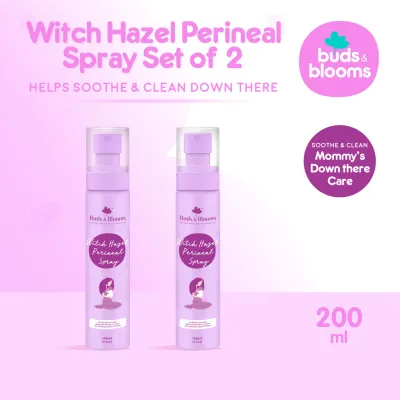
Prices are valid at publication and may change. Please refer to the product page for the latest price.
The perineal region experiences intense stretching, micro-tears, or surgical incisions (such as an episiotomy) during a vaginal delivery. This means the skin barrier in this area is often compromised, significantly increasing its permeability. Consequently, any chemical, botanical extract, or preservative applied to the perineum can penetrate deeper into the tissues than it would on intact skin elsewhere on your body.
Witch hazel, derived from the Hamamelis virginiana plant, is a well-known botanical ingredient in maternity care. It functions as a natural astringent, which means it temporarily constricts local blood vessels and tightens skin tissues. This action can help reduce the sensation of swelling, ease minor discomfort, and provide a temporary cooling effect that many postpartum mothers find highly comforting.
However, the presence of witch hazel alone does not guarantee that a product is entirely safe or suitable for your specific recovery stage. The overall formulation of the spray—including the carriers, preservatives, and added botanical extracts—dictates its ultimate safety profile. A product that is highly soothing for one mother might cause irritation or allergic contact dermatitis in another, depending on individual skin chemistry and the presence of potential irritants.
How to Check the Ingredient List on Your Buds & Blooms Spray
To ensure that the Buds & Blooms Witch Hazel Perineal Spray 100Ml 0B9 aligns with your personal safety standards, you must critically examine the ingredient list. This list is typically located on the back of the 100Ml bottle or on its outer packaging. Because manufacturers may occasionally update their formulations, always verify the physical label of the specific bottle you purchase rather than relying solely on online product descriptions.

When reviewing the ingredients, look closely for common additives that can cause irritation to compromised perineal tissue. For example, many standard witch hazel extracts are distilled using denatured alcohol, which can cause severe stinging, dryness, and delayed wound healing when applied to sensitive or torn skin. Opting for formulas that explicitly state they use alcohol-free witch hazel is generally much gentler for maternity use.
In addition to alcohol, check the label for synthetic fragrances, artificial colorants, and specific essential oils. While botanical ingredients like peppermint, eucalyptus, or tea tree oil are often included for their cooling or antimicrobial properties, they can be highly sensitizing. On delicate or healing perineal skin, these concentrated oils can trigger intense burning sensations or allergic reactions that mimic or worsen postpartum discomfort.
If you encounter unfamiliar chemical names or preservatives on the ingredient list, do not hesitate to cross-reference them with reliable pregnancy-safe skincare databases. The safest and most reliable step is to take a clear photograph of the ingredient label and share it with your OB-GYN, midwife, or dermatologist. They can evaluate the formulation against your personal medical history, allergy profile, and the specific condition of your perineal tissue.
Safe Application and Hygiene Practices for Postpartum Recovery
Using a perineal spray safely requires strict adherence to hygiene protocols to prevent introducing bacteria to a healing area. Before applying any product, ensure the perineum is clean. Gently cleanse the area using a peri bottle filled with warm water, and pat dry completely with a clean, soft towel or disposable wipes. Avoid rubbing, which can irritate the skin or disrupt healing tissues.
When applying the spray, maintain a safe distance of about six to eight inches from the skin. This ensures an even, light mist rather than a concentrated stream. Be careful not to let the spray nozzle touch your skin, clothing, or any bathroom surfaces. Physical contact with the nozzle can introduce bacteria into the bottle, contaminating the remaining liquid.
Storage is another critical factor, particularly in tropical climates like the Philippines where high humidity and warm temperatures create an ideal breeding ground for mold and bacteria. Store your 100Ml bottle in a cool, dry place away from direct sunlight and excessive moisture. Avoid leaving it on the edge of the shower or sink where water can pool around the cap. Always ensure the cap is tightly sealed after each use to preserve the integrity of the formulation.
Warning Signs: When to Stop Use and Consult Your Doctor
While many mothers find soothing relief from perineal sprays, you must remain vigilant for signs of adverse reactions. If you experience increased redness, persistent burning, intense itching, swelling, or an unusual discharge after application, discontinue use immediately. These symptoms often indicate contact dermatitis or an allergic reaction to one of the ingredients.
It is important to differentiate between normal postpartum healing discomfort and product-induced irritation. Normal healing may involve a mild, dull ache or occasional itching as tissues knit back together. However, a sharp, stinging sensation that intensifies after spraying, or a sudden rash, is not a normal part of recovery and suggests the product is aggravating the area.
If your symptoms worsen, fail to improve after stopping the spray, or if you develop a fever, foul-smelling discharge, or severe pain, contact your doctor, midwife, or a healthcare professional immediately. These could be signs of an infection or a deeper healing issue that requires medical intervention rather than topical self-care.
Frequently Asked Questions (FAQ)
Can I use witch hazel perineal spray on stitches or tears?
Applying any commercial spray directly to open wounds, episiotomy incisions, or perineal tears requires extreme caution. While witch hazel is soothing, unapproved topical agents can interfere with the dissolving of surgical stitches or introduce bacteria into a healing wound. Always consult your OB-GYN or midwife before applying any product to stitches or tears to ensure it will not compromise your physical recovery.
Does topical perineal spray affect breastfeeding?
Generally, localized topical applications to the perineal area have a very low rate of systemic absorption, meaning it is highly unlikely that active ingredients will enter your bloodstream in quantities sufficient to affect breast milk. However, because some formulations contain essential oils or complex chemical preservatives, it is wise to verify the safety of the specific ingredients. If you have concerns about ingredient transfer, consult a pediatrician or a certified lactation specialist for personalized reassurance.
Community discussion
Share your experience or ask a question. Comments are reviewed before publication.