
The postpartum recovery period, often called the fourth trimester, brings a wave of physical changes that require gentle, specialized care. If you have recently given birth, managing perineal soreness, swelling, and the discomfort of stitches is likely at the top of your priority list. Buds and Blooms Perineal Spray is a popular choice among mothers in the Philippines looking for a convenient, hands-free way to soothe tender tissues. However, determining whether this specific spray is safe for your unique recovery depends on several factors, including the ingredients in the formulation, the extent of your perineal birth trauma, and your individual skin sensitivity.
While many postpartum care products are designed with mildness in mind, safety is not entirely universal. A product that provides relief for one mother might cause irritation or discomfort for another, especially if there are open wounds, episiotomy stitches, or severe tears. To ensure your recovery remains on track, you must verify the exact ingredient list on the physical product packaging or the brand’s official website before application, as formulations can occasionally change. Most importantly, no topical spray can be guaranteed safe for every individual’s healing process without a direct evaluation from your OB-GYN or midwife, who can assess the physical state of your perineum.
Checking the Ingredient List for Postpartum and Wound Safety
When evaluating any topical product for the perineal area, the ingredient list is your most reliable guide. The skin of the vulva and perineum is highly vascular and exceptionally sensitive, even more so after the stretching and trauma of childbirth. To determine if a spray is appropriate for your recovery, you should look for ingredients that are widely recognized for their gentle, soothing, and anti-inflammatory properties.
Products mentioned in this guide
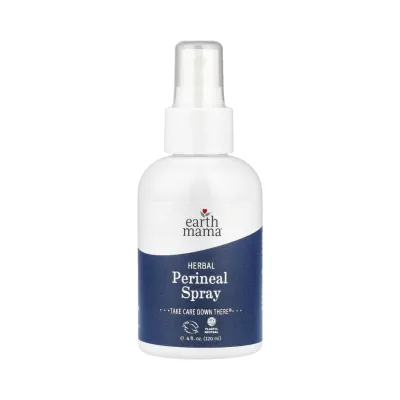
Prices are valid at publication and may change. Please refer to the product page for the latest price.
Common soothing botanical ingredients that are generally considered low-risk for postpartum skin include:
- **Witch Hazel (Hamamelis virginiana):** A natural astringent often used to reduce swelling, calm inflammation, and ease the discomfort of hemorrhoids and perineal tears.
- Aloe Vera: Known for its cooling properties, aloe helps hydrate sensitive skin and provides a soothing barrier over tender areas.
- Chamomile: Frequently utilized in maternal skincare to calm irritated tissues and reduce localized redness.
- Calendula: A gentle botanical extract traditionally used to support skin recovery and soothe minor skin irritations.
Conversely, there are several ingredients you should avoid or approach with extreme caution when dealing with open wounds, stitches, or highly sensitive postpartum tissues. High concentrations of denatured alcohol can cause intense stinging, dry out the skin, and potentially delay wound healing. Synthetic fragrances and artificial dyes are common triggers for contact dermatitis and should be avoided in the perineal region. Strong essential oils, such as undiluted peppermint, eucalyptus, or tea tree oil, can cause severe burning sensations on compromised skin. Additionally, topical numbing agents (such as lidocaine or benzocaine) should never be used without direct medical supervision, as they can be absorbed systemically or mask worsening pain that requires medical attention.
Before applying Buds and Blooms Perineal Spray—or any new postpartum product—directly to your perineum, it is highly recommended to perform a patch test. Spray a small amount of the product onto an unaffected, less sensitive area of skin, such as your inner thigh or the inside of your wrist. Wait 24 hours to monitor for any signs of redness, itching, swelling, or irritation. If your skin remains clear, the risk of an allergic reaction on your perineum is significantly lower, though you should still proceed with caution if you have active stitches.
Best Practices for Using Sprays on Stitches and Perineal Tears
If your healthcare provider has cleared you to use a soothing spray, proper application and hygiene practices are essential to prevent infection and support the natural healing process. The primary goal of postpartum perineal care is to keep the area clean and dry. In the tropical climate of the Philippines, high humidity and heat can increase sweat and moisture retention, making meticulous hygiene even more critical. A perineal spray should always complement, rather than replace, your standard postpartum hygiene routine.

Your core routine should begin with cleansing the area using a peri bottle filled with warm water after every restroom visit. Once you have gently rinsed the area, pat dry from front to back using clean, disposable wipes or soft toilet paper; never rub or wipe aggressively, as this can pull on your stitches or irritate raw skin. Only after the area is clean and dry should you consider applying your perineal spray.
To apply the spray safely and comfortably, follow these step-by-step techniques:
- Maintain a safe distance: Hold the spray bottle approximately 15 to 20 centimeters (6 to 8 inches) away from your perineum. Spraying too closely can deliver a forceful stream that may cause pain or disturb healing stitches.
- Spray from front to back: Direct the mist from the front of your perineum toward the back to avoid introducing rectal bacteria into the vaginal opening or your wound site.
- Allow the area to dry: Let the mist air-dry completely, or gently pat the area with a clean, dry tissue before putting on a fresh maternity pad. Putting on underwear while the skin is still wet can trap moisture, leading to skin breakdown.
Do not use any perineal spray on heavily bleeding wounds, gaping tears, or areas that are actively weeping fluid unless your doctor has explicitly instructed you to do so. Remember that your OB-GYN’s or midwife’s personalized wound care instructions always take precedence over general product directions.
Breastfeeding Safety and Topical Absorption
For breastfeeding mothers, safety considerations extend beyond personal comfort to the well-being of the nursing infant. It is entirely natural to worry about whether the ingredients in a perineal spray can be absorbed into your bloodstream and eventually pass into your breast milk. Understanding the basics of topical absorption can help ease these concerns.
Generally, topical products applied to a localized, relatively small area like the perineum have very low systemic absorption. Because only minute amounts of the active ingredients enter your bloodstream, the risk of these compounds transferring into breast milk in clinically significant quantities is typically minimal. This makes most standard, gently formulated perineal sprays low-risk for lactating mothers.
However, maintaining strict application boundaries is vital to ensure your baby’s safety. Perineal sprays must be used exclusively on the perineal region. Never apply these products on or near your breasts, nipples, or any area of skin that may come into direct contact with your baby’s mouth, face, or hands. Always wash your hands thoroughly with soap and water after applying the spray to prevent accidental transfer to your baby during holding or feeding sessions.
It is also important to recognize that marketing terms like “natural,” “organic,” or “plant-based” do not automatically guarantee safety during lactation. Some botanical extracts contain active chemical compounds that can cause skin reactions or have systemic effects if absorbed in larger quantities. If you notice any unusual herbal ingredients on the label of your Buds and Blooms spray, or if you feel uncertain about a specific botanical extract, consult a certified lactation consultant or your pediatrician for professional guidance.
Warning Signs: When to Stop Use and Consult Your Doctor
While many mothers use postpartum sprays without any complications, you must remain vigilant and monitor how your body responds to the product. Your perineum is healing from significant physical trauma, and its defense mechanisms are temporarily compromised. Recognizing the difference between normal postpartum healing sensations and an adverse reaction is crucial for your safety.
Discontinue the use of the perineal spray immediately and rinse the area gently with plain, lukewarm water if you experience any of the following warning signs:
- An intense, persistent burning or stinging sensation that lasts more than a few seconds after application.
- A new or worsening skin rash, hives, or severe itching in the vulvar or perineal area.
- Increased redness, swelling, or warmth around your stitches or tears.
- A foul-smelling vaginal discharge or unusual fluid weeping from the wound site.
- Stitches that feel increasingly tight, painful, or appear to be pulling apart.
- A systemic fever (38°C or higher) or sudden chills, which are key indicators of a potential postpartum infection.
If you experience any of these symptoms, contact your OB-GYN, midwife, or primary healthcare provider immediately. Postpartum infections and severe allergic reactions require prompt medical assessment and should never be self-treated. When you go to your medical appointment, bring the product bottle with you. This allows your doctor to review the exact ingredient list, identify potential allergens, and determine if the spray is contributing to your symptoms or if a different medical treatment is required.
Frequently Asked Questions (FAQ)
Can I use perineal spray on a C-section scar?
No, you should not use perineal spray on a C-section scar unless your surgeon explicitly instructs you to do so. Perineal sprays are formulated specifically for the delicate mucous membranes and skin of the vulva and perineum, which heal differently than abdominal surgical wounds. An abdominal incision from a Cesarean delivery involves multiple layers of muscle and tissue that require strict, sterile care to prevent deep-tissue infections. Applying unapproved topical mists to a C-section scar can introduce unwanted moisture or irritating ingredients that may compromise the incision’s closure. Always follow your surgeon’s specific scar care protocol for abdominal recovery.
How often should I apply perineal spray after delivery?
The frequency of application depends on your personal comfort level and the manufacturer’s specific label instructions, which typically recommend using it 3 to 4 times a day. Many mothers find it most beneficial to apply the spray immediately after using the restroom or when changing their maternity pads to help soothe localized discomfort. However, you should avoid overusing the product. Spraying too frequently can keep the perineal area continuously wet, which can lead to skin maceration—a condition where the skin softens and breaks down from excessive moisture. Keeping the area too damp can ultimately delay the healing of your stitches and increase the risk of infection.
Community discussion
Share your experience or ask a question. Comments are reviewed before publication.