
During pregnancy, every topical product you apply undergoes scrutiny, and for good reason. If you are considering buds and bloom skin elasticity products to support your changing body, the short answer is that safety depends entirely on the specific formulation, its exact ingredient list, and your unique health profile. While many maternity skincare brands design their lines with expecting mothers in mind, you must always verify the label of the specific product in your hands. Skincare formulations can change, and individual sensitivities vary greatly during gestation. Before introducing any new cream, oil, or lotion into your daily routine, consult your OB-GYN or dermatologist to ensure it aligns with your personal health needs and pregnancy stage.
How to Verify Buds and Bloom Skin Elasticity Ingredients for Pregnancy
Navigating the beauty aisle while expecting requires a shift in how you read product packaging. Instead of focusing solely on front-label marketing claims, your primary task is to turn the bottle over and examine the ingredient list. In the Philippines, where the tropical heat and high humidity can already make skin more prone to irritation and heat rashes, choosing the right topical applications is especially critical. The ingredient list displays components in descending order of concentration, meaning the first few ingredients make up the majority of the product.
When evaluating any skin elasticity cream or oil, start by cross-referencing the ingredients against established medical guidelines. Pregnancy hormones, particularly elevated progesterone and estrogen, can alter your skin’s barrier function, making it more sensitive to synthetic fragrances, preservatives, and certain active chemicals. To verify safety, look for products that prioritize simple, recognizable emollients and avoid complex chemical compounds that lack robust safety data for pregnant users.
Products mentioned in this guide
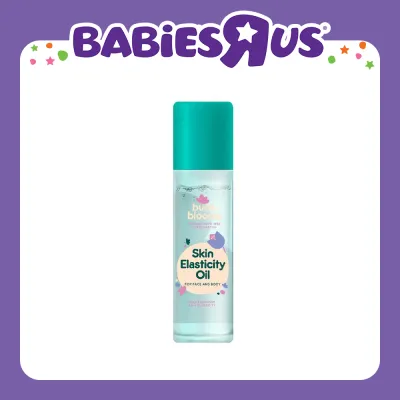
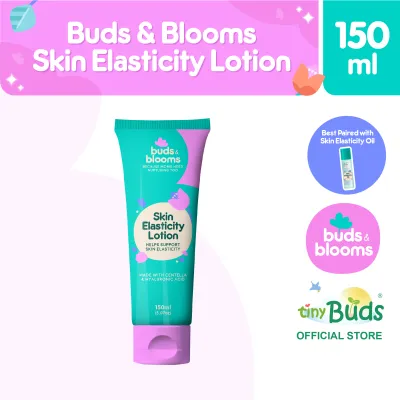

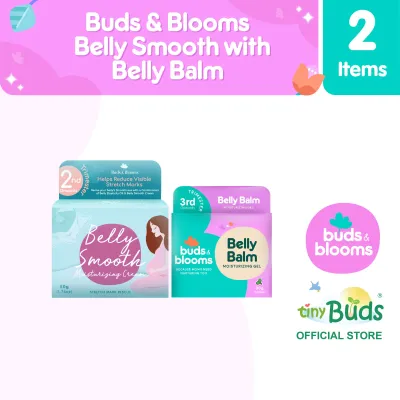
Prices are valid at publication and may change. Please refer to the product page for the latest price.
Additionally, check the packaging for manufacturing details, batch numbers, and expiration dates. A product that has expired or been stored in warm, humid conditions may undergo chemical degradation, which can irritate sensitive prenatal skin. Always ensure the product is sourced from reputable channels to guarantee you are reading an authentic and current ingredient list.
Pregnancy-Safe Hydrators and Oils
To maintain skin elasticity and soothe the tight, itchy sensation that often accompanies a growing belly, look for time-tested, low-risk moisturizing agents. Excellent pregnancy-safe hydrators include:
- Shea Butter: A rich emollient that deeply moisturizes and helps maintain skin pliability.
- Cocoa Butter: Known for its dense lipid profile, it forms a protective barrier to lock in moisture.
- Jojoba Oil: Mimics the skin's natural sebum, making it highly compatible and less likely to clog pores.
- Sweet Almond Oil: Rich in essential fatty acids, it nourishes and softens dry, stretching skin.
- Hyaluronic Acid: A powerful humectant that draws water into the skin's surface layers without adding heavy oiliness, which is highly beneficial in humid climates.
- Vitamin E (Tocopherol): An antioxidant that supports skin barrier repair and protects against environmental stressors.
These ingredients are generally recognized as safe for topical use during pregnancy. They work by reinforcing the stratum corneum (the outermost layer of skin), reducing transepidermal water loss, and keeping the skin supple as it expands.
Ingredients to Avoid or Discuss with Your OB-GYN
While many botanical ingredients are beneficial, pregnancy requires you to avoid certain active compounds due to potential risks of systemic absorption. When inspecting your skincare labels, look out for the following:
- Retinoids and Retinol: Often used for anti-aging or skin renewal, these vitamin A derivatives are strictly avoided during pregnancy due to links with developmental risks.
- High-Dose Salicylic Acid: While mild beta-hydroxy acids (BHAs) in low concentrations are sometimes deemed acceptable by dermatologists, high doses or large-area applications should be avoided.
- Hydroquinone: A skin-lightening agent with a high systemic absorption rate, making it unsuitable for use during pregnancy.
- Certain Essential Oils: Highly concentrated plant extracts like rosemary, clary sage, jasmine, and sage oils can trigger uterine contractions or skin sensitization and should generally be avoided or heavily diluted under professional guidance.
If you spot any of these ingredients, or if the label contains complex chemical names you do not recognize, pause use immediately. Take a photo of the ingredient list and show it to your OB-GYN during your next prenatal checkup for a professional assessment.
Why Ingredient Absorption Matters for Skin Elasticity Products
It is easy to assume that because skincare is applied topically, it remains entirely on the surface of the body. However, the physiology of skin elasticity products makes ingredient safety a much larger priority than standard facial care. Unlike a spot treatment or a facial moisturizer applied to a few square centimeters of the face, stretch mark creams and oils are typically applied to expansive areas of the body, including the abdomen, breasts, hips, and thighs.

Applying a product over such a large surface area significantly increases the total volume of ingredients your body is exposed to. Furthermore, these products are often massaged in vigorously to promote circulation and product penetration. This physical massage action, combined with the natural warmth of your skin, increases localized blood flow and can enhance the systemic absorption of topical ingredients through the skin barrier into your bloodstream.
During pregnancy, your skin also undergoes structural changes. As your belly expands, the skin stretches, which can temporarily compromise the integrity of the skin barrier, making it more permeable to topical substances. Because some chemicals can cross the placental barrier and potentially affect fetal development, maintaining a strict standard for what you apply to large areas of your body is a fundamental safety practice. Keeping your approach non-alarmist but highly cautious ensures you protect both your skin comfort and your developing baby.
Safe Application Practices for Maternity Skincare
To safely incorporate any skin elasticity product into your daily maternity routine, practical application measures can help minimize risks of irritation while maximizing hydration.
- Perform a Patch Test: Before applying any cream or oil to your abdomen or breasts, perform a patch test on a small, clean area of your inner forearm. Apply a dime-sized amount of the product and leave it on for 24 hours. Monitor the area closely for any signs of redness, itching, swelling, or tiny bumps. Pregnancy hormones can trigger sudden sensitivities to ingredients you tolerated perfectly well before expecting.
- Apply to Damp Skin: The optimal time to apply moisturizing products is immediately after a shower or bath. Gently pat your skin with a towel, leaving it slightly damp, and then massage the product in. This helps trap water in the skin layers, enhancing the hydrating efficacy of emollients like shea or cocoa butter.
- Avoid Broken or Irritated Skin: Never apply skincare products to open wounds, scratches, severe rashes, or freshly shaved areas. Damaged skin has a highly compromised barrier, which drastically increases both the risk of localized irritation and the rate of systemic absorption.
- Store Products Correctly: Given the warm, humid climate of the Philippines, store your maternity skincare in a cool, dry place away from direct sunlight. Excessive heat can cause natural oils to go rancid and active ingredients to break down, rendering the product ineffective or irritating.
When to Stop Using the Product and Consult a Doctor
Even products formulated specifically for pregnancy can occasionally trigger adverse reactions due to individual allergies or hormonal fluctuations. You must monitor how your body responds after every application. Discontinue use immediately if you experience any of the following warning signs:
- Severe or persistent redness on the application site.
- Intense itching that does not subside after washing the product off.
- The appearance of hives, bumps, or a localized rash.
- Blistering, peeling, or a burning sensation.
- Unusual systemic symptoms, such as dizziness, nausea, or headaches, occurring shortly after application.
If any of these symptoms occur, gently wash the treated area with cool water and a mild, fragrance-free soap to remove any remaining product residue. Do not apply other creams or home remedies to soothe the irritation without professional guidance. Contact your OB-GYN or a dermatologist promptly to evaluate the reaction. Remember that while educational guides offer helpful frameworks, they can never replace personalized medical advice from a qualified healthcare professional.
Frequently Asked Questions (FAQ)
Can skin elasticity products completely prevent stretch marks?
No topical product can guarantee the complete prevention of stretch marks. While keeping your skin highly hydrated and elastic can relieve dryness, soothe itching, and support overall skin resilience, stretch marks are primarily determined by genetics, the rapid rate of physical expansion, and hormonal changes during pregnancy. When the collagen and elastin in the deeper layers of the skin stretch rapidly, tearing can occur regardless of how many creams are applied. Focus on using these products to improve skin comfort, maintain hydration, and enjoy a soothing self-care routine rather than expecting a complete cure.
Is it safe to use skin elasticity products while breastfeeding?
Many ingredients that are safe during pregnancy remain safe throughout the postpartum and breastfeeding periods. However, special care must be taken regarding where you apply these products. Avoid applying any creams, oils, or lotions directly to the nipples, areolae, or any part of the breasts where your baby’s mouth might make contact during nursing. This prevents the infant from accidentally ingesting the product. Always wash your hands thoroughly after application and consult your pediatrician or a lactation consultant to verify the safety of specific products during your breastfeeding journey.
Community discussion
Share your experience or ask a question. Comments are reviewed before publication.