
Navigating postpartum recovery requires a careful balance of physical healing, nutritional support, and financial mindfulness. For many new mothers in the Philippines, finding affordable supplements to aid this transition is a top priority. BeWell Vitamin C with Zinc is frequently considered as a budget-friendly option to support the body’s natural healing processes after childbirth. However, determining whether this specific supplement represents a genuine value for your postpartum journey involves more than just looking at the price tag on the bottle.
To decide if this supplement is the right choice for your budget and recovery, you must evaluate its specific formulation against your daily nutritional targets, calculate the actual cost-per-dose, and verify its safety profile with your healthcare provider. Postpartum recovery is a highly individualized process, and what works for one mother may not suit another, especially when factoring in the physiological demands of breastfeeding or recovering from a surgical birth. By taking a systematic approach to analyzing the ingredients, costs, and safety considerations, you can make an informed decision that protects both your health and your wallet.
Understanding Your Postpartum Vitamin C and Zinc Needs
The postpartum period, often referred to as the fourth trimester, places immense physical demands on a mother’s body. Whether you delivered vaginally or underwent a cesarean section, your tissues require specific nutrients to repair themselves and rebuild strength. Vitamin C plays a fundamental role in this process by acting as a primary catalyst for collagen synthesis. Collagen is the structural protein responsible for skin, connective tissue, and wound healing, making adequate Vitamin C intake essential for repairing perineal tears or abdominal incisions.
Products mentioned in this guide
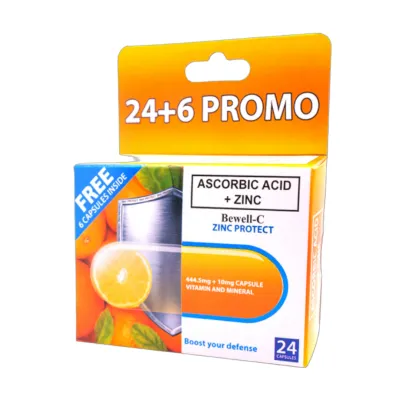
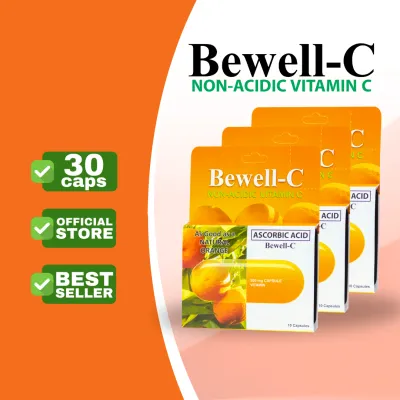
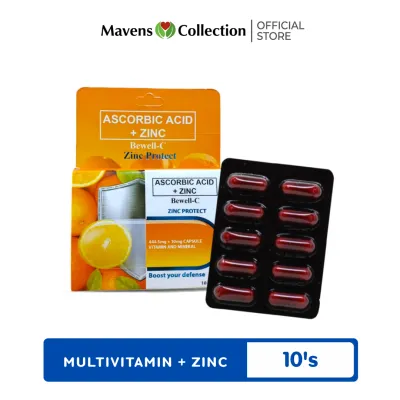
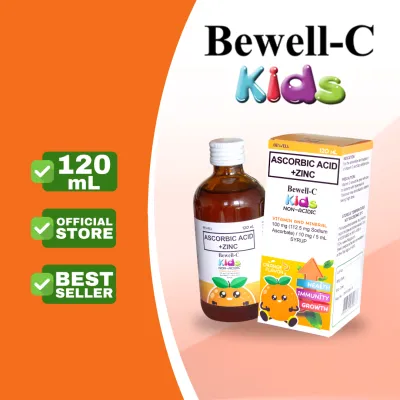

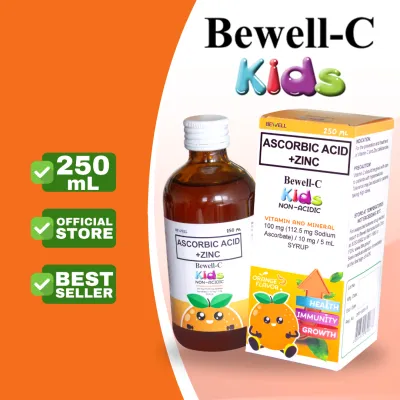
Prices are valid at publication and may change. Please refer to the product page for the latest price.
Alongside tissue repair, maintaining a robust immune system is critical as your body recovers from the physical stress of labor while adjusting to sleep deprivation. Zinc is a vital trace mineral that supports cellular repair, immune cell development, and protein synthesis. When combined, Vitamin C and Zinc work synergistically to help protect your body from oxidative stress and support the immune defenses you need during those demanding early weeks of motherhood.
To determine if a supplement is necessary, you should first check the standard daily value recommendations for postpartum mothers. These recommendations often differ significantly depending on whether you are lactating or non-lactating. Lactating mothers generally require higher daily amounts of both Vitamin C and Zinc to ensure that sufficient nutrients are passed through breast milk to support the growing infant. You can consult local nutritional guidelines, such as those provided by the Food and Nutrition Research Institute (FNRI) in the Philippines, to identify the precise daily targets for your specific stage.
It is also important to recognize that your individual nutritional needs will vary based on several personal factors. Mothers recovering from a cesarean delivery may have higher initial requirements for tissue-healing nutrients than those who had an uncomplicated vaginal birth. Additionally, your daily dietary intake plays a major role; if your postpartum diet is already rich in local fruits, vegetables, and lean proteins, your need for high-dose supplementation may be lower. Assessing your baseline diet with a clinical dietitian or your OB-GYN can help you determine if you need a supplement to bridge a genuine nutritional gap.
Evaluating BeWell Vitamin C with Zinc for Your Recovery
Once you understand your daily nutritional targets, the next step is to evaluate how the formulation of BeWell Vitamin C with Zinc aligns with those needs. This requires a close inspection of the supplement facts label on the packaging. Do not rely solely on the front-of-pack marketing claims; instead, turn the bottle over to verify the exact milligram (mg) dosage of both active ingredients per serving.

When examining the label, pay close attention to the specific chemical forms of the nutrients used. Vitamin C can come in several forms, such as ascorbic acid or sodium ascorbate. Sodium ascorbate is a non-acidic form of Vitamin C, which is often preferred by individuals with sensitive stomachs or those prone to acid reflux—a common concern during the postpartum period when the digestive system is still settling. Similarly, check the form of zinc present, such as zinc sulfate, zinc gluconate, or zinc picolinate, as different forms have varying rates of elemental absorption and can affect your stomach differently.
Beyond the active ingredients, it is crucial to check the label for any inactive ingredients, fillers, binders, or potential allergens. Postpartum bodies can be highly sensitive, and if you are breastfeeding, certain additives could potentially affect your nursing infant. Look for common allergens such as gluten, soy, dairy, or artificial colorants. If you have known sensitivities, verifying these details on the manufacturer’s official product documentation or packaging is an essential safety step before ingestion.
Finally, compare the verified milligram dosages on the label against the daily recommended intakes you identified for your postpartum status. If the supplement provides a moderate dose that safely complements your daily diet without exceeding the tolerable upper intake levels, it may serve as an excellent, balanced option. However, if the dosage is exceptionally high or too low for your specific recovery needs, you may need to adjust your serving size or consider alternative options under the guidance of your doctor.
Calculating the True Value and Cost-Per-Dose in ₱
Evaluating a supplement on a budget requires looking beyond the initial retail price of the bottle. A low upfront cost in ₱ does not automatically translate to a good value if the bottle only lasts a few weeks or if you must take multiple capsules daily to meet your target dosage. To find the true financial impact on your household budget, you should calculate the cost-per-day and the cost-per-milligram of the active ingredients.
To perform this calculation, divide the total retail price of the bottle in ₱ by the number of servings contained within it. For example, if a bottle costs ₱300 and contains 30 capsules, the cost-per-day is ₱10, assuming a one-capsule daily serving meets your needs. If your healthcare provider recommends a higher dosage that requires taking two capsules daily, your cost-per-day doubles to ₱20, and the bottle will only last half as long. This simple math allows you to compare different brands and packaging sizes objectively.
You must also factor in the lifespan of the bottle relative to your planned recovery timeline. If you plan to supplement for the first three months postpartum, calculate the total cost of purchasing enough bottles to cover those 90 days. Sometimes, buying a larger bottle size or a multi-pack offers a lower cost-per-serving, which can save you money over the course of your recovery period.
Additionally, be mindful of hidden costs that can quickly inflate your expenses. If you are purchasing online, shipping fees can add a significant premium to a single bottle, sometimes making a local pharmacy purchase more economical. You should also consider whether the supplement’s formulation requires you to purchase complementary products. For instance, if you require iron supplementation for postpartum anemia, and your chosen Vitamin C supplement does not contain other supporting nutrients your doctor recommended, you will need to budget for those additional products separately.
Safety, Breastfeeding, and Medical Considerations
While Vitamin C and Zinc are essential nutrients, introducing any new supplement during the postpartum period must be approached with caution, particularly if you are breastfeeding. Nutrients consumed by a lactating mother can be excreted into breast milk, directly impacting the nursing infant. Therefore, you must verify if the specific formulation of BeWell Vitamin C with Zinc is recommended for breastfeeding mothers by carefully reading the manufacturer’s warnings and consulting your pediatrician.
Another critical consideration is the potential for interactions with other medications or supplements you may be taking. Many postpartum mothers are prescribed iron supplements to treat blood loss from delivery, or antibiotics to prevent or treat infections. While Vitamin C is known to enhance the absorption of non-heme iron, high doses of zinc can interfere with the absorption of iron and copper if taken simultaneously. To avoid these interactions, you must coordinate the timing of your supplements and medications according to your doctor’s instructions.
You should also establish clear boundaries for when to stop using the supplement and seek professional medical advice. While mild digestive upset can sometimes occur when starting zinc, persistent nausea, stomach cramps, diarrhea, or allergic reactions such as skin rashes are signs that you should discontinue use immediately. Always prioritize the guidance of your OB-GYN or your baby’s pediatrician over general online advice, as they can provide personalized recommendations based on your blood work and clinical recovery progress.
Smart Purchasing Strategies for Budget-Conscious Mothers
To maximize your budget while ensuring your safety, you must practice smart purchasing habits. The pharmaceutical market in the Philippines can sometimes be flooded with counterfeit or improperly stored products, especially on digital platforms. When buying BeWell Vitamin C with Zinc, always prioritize purchasing from official brand stores, authorized distributors, or established physical and online pharmacies.
When shopping on online marketplaces or ecommerce platforms, look for verified mall tags, official store badges, and positive customer reviews that specifically mention receiving sealed packaging with clear batch numbers and expiration dates. Avoid buying from unverified third-party sellers who offer prices that seem unusually low, as counterfeit supplements can contain harmful contaminants or lack the active ingredients entirely. Additionally, check the packaging for a valid Food and Drug Administration (FDA) registration number, which you can cross-reference on the official FDA verification portal.
For genuine savings, look for legitimate bundle deals or promotional discounts offered directly by authorized sellers. Many established pharmacies offer loyalty programs, senior citizen or person with disability (PWD) discounts where applicable, or seasonal sales that can lower the cost of your essential health products. If you find that the supplement suits your body and is recommended for long-term use by your doctor, subscribing for regular deliveries through authorized platforms can sometimes unlock additional discounts and save you on recurring shipping fees.
Finally, pay attention to how you store your supplements once they arrive. The tropical climate and high humidity of the Philippines can quickly degrade vitamins if they are not stored correctly. Keep your supplement bottle tightly sealed in a cool, dry place away from direct sunlight and moisture, such as a pantry drawer rather than a humid bathroom cabinet. Proper storage ensures the active ingredients remain stable and effective throughout the product’s shelf life, preventing the waste of your hard-earned money.
Frequently Asked Questions (FAQ)
Can I take Vitamin C and Zinc while breastfeeding?
Yes, both Vitamin C and Zinc are essential nutrients during lactation, but you must ensure your total daily intake from all sources—including prenatal vitamins, diet, and single-nutrient supplements—does not exceed the safe upper limits. Always check the specific product label for manufacturer warnings regarding breastfeeding, and consult your pediatrician to confirm that the dosage is safe for both you and your baby.
Should I take this supplement with food?
Taking zinc on an empty stomach can frequently cause mild nausea or abdominal discomfort. To minimize the risk of stomach upset, it is generally recommended to take this supplement with a meal. However, you should always check the manufacturer’s directions on the packaging for specific instructions, and observe how your body responds during the first few days of use.
How long should I take it for postpartum recovery?
The duration of postpartum supplementation depends on your individual recovery progress, delivery type, and dietary intake. While some mothers may only need support during the initial six to eight weeks of acute tissue healing, others, particularly those who are breastfeeding, may benefit from longer-term nutritional support. Discuss your recovery timeline with your OB-GYN to determine when it is appropriate to transition from supplements to a nutrient-dense, whole-food diet.

Community discussion
Share your experience or ask a question. Comments are reviewed before publication.