
The safety of Bellakang mosquito repellent for babies depends entirely on the specific product variant, its active ingredients, and your baby’s exact age. Because infant skin is highly permeable and their respiratory systems are still developing, no blanket safety guarantee can be made for any single brand or product line.
Before applying any repellent to your child, you must physically inspect the product packaging for age-specific warnings and consult your pediatrician. During peak dengue season, protecting your little one requires a careful balance of verifying product labels, practicing precise application methods, and monitoring for any adverse skin or respiratory reactions.
How to Verify if Bellakang Mosquito Repellent Is Safe for Your Baby
To ensure your baby’s safety, the first step is to carefully examine the physical packaging of the specific Bellakang mosquito repellant variant you have purchased. Manufacturers produce different formulations for different age groups, and a product that is safe for a toddler or school-aged child may contain concentrations of active ingredients that are entirely unsuitable for an infant.
Products mentioned in this guide
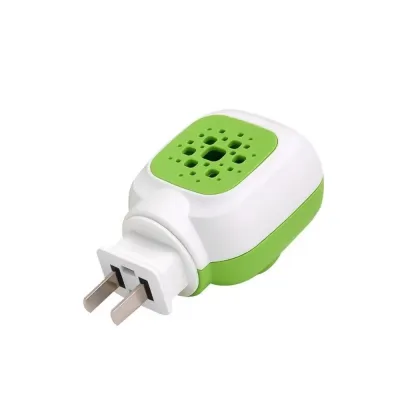
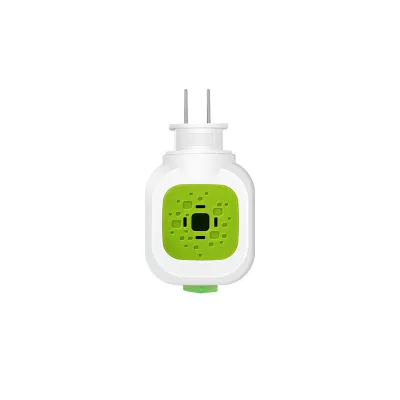
![[Latest]Kids Guard Baby Mosquito Repellent Electric Mosquito Repellant Tasteless Smokeless Safety Health](https://img.lazcdn.com/g/p/4302a16394624d82e14e23206b1d40ee.jpg_400x400q80.jpg_.webp)
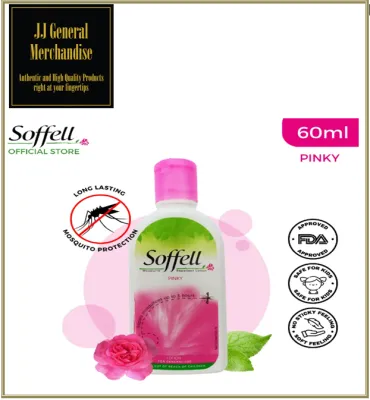
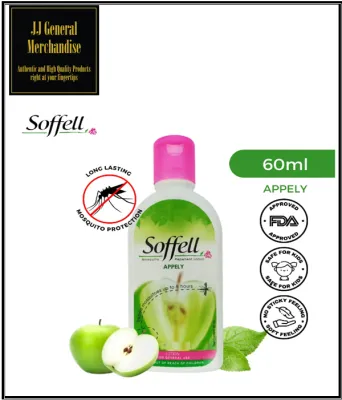
Prices are valid at publication and may change. Please refer to the product page for the latest price.
Look closely for a minimum age requirement, which is typically printed on the back or bottom of the container. If a product does not explicitly state that it is safe for infants or babies of your child’s specific age, do not use it.
Next, identify the active ingredients and their exact concentrations listed on the label. Common active ingredients in pediatric repellents include low concentrations of DEET, picaridin, or plant-based oils like oil of lemon eucalyptus or citronella.
Regulatory bodies and pediatric associations have strict age limits for these substances. For instance, oil of lemon eucalyptus is generally not recommended for children under three years old, while DEET concentrations must be carefully managed based on age. Checking these details ensures you do not accidentally expose your baby to a compound their body cannot yet safely process.
Many baby products carry labels such as “pediatrician-tested,” “hypoallergenic,” or “suitable for sensitive skin.” While these marketing terms suggest a milder formulation, they have regulatory limitations and do not guarantee that your baby will not experience an allergic reaction or skin irritation.
Every baby’s skin barrier is unique, and a product that is well-tolerated by one infant might cause contact dermatitis in another. Use these claims as a starting point rather than an absolute assurance of safety.
Ultimately, the recommended course of action is to consult your pediatrician before introducing any new chemical or botanical repellent to your baby’s routine. Share the exact ingredient list and concentration of the Bellakang variant you plan to use. Your pediatrician can provide personalized guidance based on your baby’s health history, skin sensitivity, and the local dengue risk level in your area, helping you make an informed decision.
Evaluating Active Ingredients and Potential Risks
Understanding the difference between synthetic active ingredients and plant-based essential oils is crucial when selecting a repellent for your baby. Synthetic ingredients like picaridin and DEET are highly effective and have been extensively studied for pediatric use at low concentrations.

In contrast, plant-based essential oils, such as citronella, lemongrass, or peppermint, are often perceived as safer because they are “natural.” However, natural essential oils can be highly concentrated and volatile, posing their own set of risks to an infant’s delicate system.
A baby’s respiratory system is highly sensitive to strong fragrances, aerosol sprays, and volatile organic compounds. When a repellent is sprayed or applied, these compounds can easily be inhaled, potentially irritating the baby’s airways and triggering coughing or wheezing.
Aerosol formats are particularly risky because they disperse fine mists into the air that are difficult to control. Even non-aerosol sprays can release strong scents that may overwhelm a baby’s developing lungs, making lotion or wipe formulations a more suitable choice for young infants.
It is a common misconception that “natural” or “herbal” labels automatically mean a product is risk-free for sensitive baby skin. In reality, botanical extracts and essential oils are frequent triggers for contact allergies and skin irritation in infants.
A baby’s skin is much thinner and more absorbent than adult skin, meaning chemicals and natural oils penetrate more deeply. Before assuming a herbal Bellakang variant is safe, remember that natural ingredients require the same level of caution, patch testing, and pediatric clearance as synthetic alternatives.
Safe Application Practices to Protect Sensitive Skin and Lungs
When applying mosquito repellent to your baby, your application technique is just as important as the product’s ingredients. Never spray or pour the repellent directly onto your baby’s skin.
Instead, dispense a small amount of the lotion or cream onto your own hands first. Rub your hands together to distribute the product evenly, and then gently pat or rub it onto your baby’s exposed skin. This method gives you complete control over where the product goes and prevents accidental over-application.
Take extreme care to avoid your baby’s hands, eyes, mouth, and any areas of irritated or broken skin. Babies frequently put their hands in their mouths or rub their eyes, which can lead to accidental ingestion or severe eye irritation if repellent is present on their fingers.
If your baby has eczema, diaper rash, minor scratches, or sunburn, avoid applying repellent to those areas entirely. The compromised skin barrier will absorb the chemicals much more rapidly, increasing the risk of systemic absorption and localized irritation.
To protect your baby’s lungs, always choose lotions, creams, or pre-moistened wipes over aerosol or pump sprays. If you must use a spray variant, apply it to your own hands outdoors or in a well-ventilated room far away from the baby, and then apply it to their skin.
Never spray repellent in an enclosed space, near the baby’s face, or around food and toys. Keeping the air clean and free of airborne chemical particles is essential for preventing respiratory irritation.
Once your baby comes back indoors and is no longer at risk of mosquito bites, wash the treated skin thoroughly with mild baby soap and warm water. Repellent is designed to sit on the skin to deter insects, but it should not be left on the body longer than necessary.
Washing it off promptly prevents prolonged exposure and minimizes the risk of skin irritation or absorption overnight. Additionally, wash any clothing that has come into contact with the repellent before your baby wears it again.
Warning Signs and When to Stop Using the Repellent
Even if you have chosen a mild variant and applied it carefully, you must remain vigilant for any signs of an adverse reaction. Monitor your baby’s skin closely during and after application.
Common signs of contact dermatitis include localized redness, a raised rash, hives, dry or peeling patches, or swelling at the application site. If you notice any of these changes, it is a clear indication that your baby’s skin is reacting negatively to the product, and you should discontinue its use immediately.
In addition to skin reactions, watch for signs of respiratory distress, which can occur if your baby inhales the repellent’s vapors or strong fragrances. Symptoms to watch for include persistent coughing, sneezing, wheezing, rapid breathing, or nasal flaring.
If your baby shows any signs of breathing discomfort after you apply the repellent, move them to fresh air immediately and monitor them closely.
If you suspect your baby is having an adverse reaction, take immediate first-aid steps. Gently wash the affected skin with plenty of cool water and a mild, fragrance-free soap to remove any remaining repellent residue.
Remove any clothing that may have absorbed the product to prevent ongoing contact. If the skin rash is severe, if your baby seems in pain, or if respiratory symptoms like coughing or wheezing do not resolve quickly after moving to fresh air, seek medical attention immediately. Bring the product container with you so the healthcare provider can inspect the active ingredients.
Complementary Dengue Protection Strategies for Infants
During peak dengue season in tropical climates like the Philippines, relying solely on topical repellents is often insufficient and carries unnecessary chemical exposure risks for young infants. Implementing physical barriers is one of the most reliable and effective ways to protect your baby from mosquito bites.
Install fine-mesh mosquito nets over your baby’s crib, stroller, playpen, and bassinet. Ensure the netting is pulled taut and does not drape closely enough to the baby to pose a suffocation hazard, creating a secure, mosquito-free microenvironment.
Your baby’s clothing choice also plays a vital role in dengue protection. Dress your infant in loose-fitting, light-colored clothing that covers their arms and legs. Mosquitoes are attracted to dark colors and can easily bite through tight fabrics.
Loose, long-sleeved shirts and long pants made of breathable fabrics like cotton keep your baby cool in humid weather while providing a physical barrier that mosquitoes cannot easily penetrate.
Finally, managing the environment around your home is crucial for reducing the local mosquito population. Aedes aegypti mosquitoes, which transmit the dengue virus, breed in clean, stagnant water.
Regularly inspect your home and yard for potential breeding grounds, such as flowerpot saucers, empty buckets, clogged gutters, and uncovered water storage containers. By eliminating standing water and keeping your living spaces clean, you significantly lower the risk of mosquito encounters for your entire household without relying heavily on chemical products.
Frequently Asked Questions (FAQ)
Can I use mosquito repellent on a newborn?
Medical authorities generally recommend avoiding the use of any topical chemical or botanical mosquito repellents on infants under two months of age. A newborn’s skin barrier is exceptionally thin and highly permeable, and their liver and kidneys are not yet mature enough to process absorbed chemicals.
For newborns, rely entirely on physical barriers such as fine-mesh mosquito netting over cribs and strollers, and dress them in protective clothing. Always consult your pediatrician before applying any repellent product to an infant in this age group.
Are plant-based Bellakang variants safer than chemical ones?
Not necessarily. While plant-based ingredients like citronella or essential oils are often marketed as natural and gentle, they can still cause significant skin irritation, allergic contact dermatitis, and respiratory irritation in babies.
Furthermore, some natural oils evaporate quickly, requiring more frequent application, which increases the risk of skin sensitization. Synthetic repellents like low-concentration picaridin are often thoroughly evaluated for pediatric safety and may offer longer-lasting protection with less skin irritation than highly concentrated essential oils.
How often should I reapply the repellent on my baby?
You should never guess the reapplication interval; instead, strictly follow the instructions printed on the specific Bellakang product label. Reapplication frequency depends on the concentration of the active ingredient and the product formulation.
For babies, you should use the minimum amount necessary and avoid over-application. If your baby is sweating heavily due to tropical humidity, do not automatically reapply the product repeatedly; instead, consider moving the baby to a screened or air-conditioned indoor area to minimize both mosquito exposure and chemical buildup on their skin.
Community discussion
Share your experience or ask a question. Comments are reviewed before publication.