
During peak dengue transmission periods in the Philippines, protecting your baby from mosquito bites is a top priority. With tropical humidity and frequent rains creating ideal breeding grounds for Aedes mosquitoes, finding a reliable shield is essential. If you are considering Bella Kang mosquito repellent, determining its safety for your infant requires a careful look at the product’s specific formulation, active ingredients, and age recommendations. Because infant skin is highly sensitive and their metabolic systems are still developing, you cannot assume a repellent is safe for a newborn just because it is marketed for families. The key to keeping your little one safe lies in verifying the product’s label, understanding pediatric guidelines, and practicing strict application safety.
How to Verify Bella Kang Mosquito Repellent Safety for Infants
Before applying any repellent like Bella Kang to your baby, your first step must always be a thorough inspection of the product packaging. Manufacturers are required to print specific age warnings and usage instructions on their labels. Look closely at the outer box or the bottle itself to locate the minimum age recommendation. Some formulations are safe for babies as young as two months, while others are strictly restricted to children over two years. Never bypass this step, as applying a product formulated for older children to an infant can lead to unwanted skin absorption or systemic irritation.
Next, verify if the product has been registered or approved by local health authorities, such as the Food and Drug Administration (FDA) of the Philippines. Official registration ensures that the product has undergone standard safety evaluations and that its ingredient concentrations match what is declared on the label. You can cross-reference the registration number on the FDA’s online verification portal to confirm the product is cleared for distribution. Avoid using unregistered insect repellents, as their chemical compositions and manufacturing standards cannot be guaranteed.
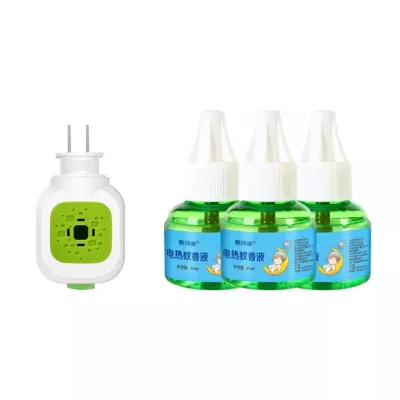
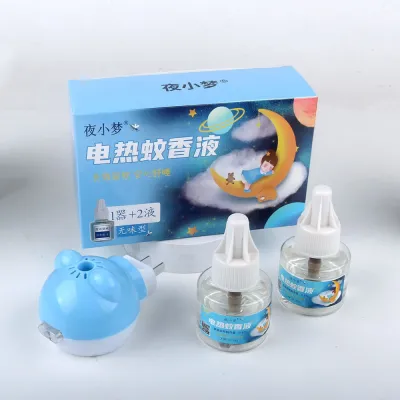
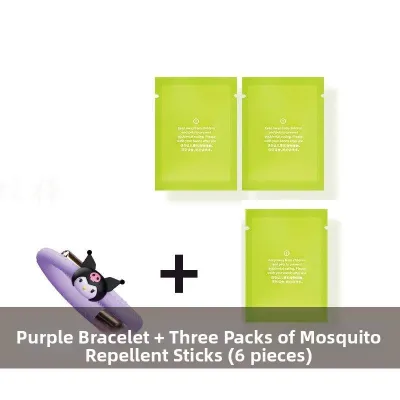
Products mentioned in this guide
![[HIWAGA] Pure Citronella spray 60ml mosquito & insect repellent](https://img.lazcdn.com/g/p/3c1fc88ab444a290253bba340da1a565.jpg_400x400q80.jpg_.webp)
Prices are valid at publication and may change. Please refer to the product page for the latest price.
Finally, compare the product’s stated age limit with your baby’s exact age in months. Pediatricians emphasize that infant development changes rapidly in the first year of life. A repellent that is perfectly safe for a six-month-old baby might pose health risks to a newborn under two months of age. If the Bella Kang packaging does not explicitly state that it is safe for your baby’s specific age bracket, or if the label is vague, err on the side of caution and hold off on using it until you can consult your pediatrician.
Understanding Active Ingredients in Baby Mosquito Repellents
To make an informed decision, you must understand what active ingredients are inside the bottle. Pediatric and dermatological associations globally recognize only a few active ingredients as both safe and effective for young children when used in appropriate concentrations. For instance, DEET and Picaridin are widely studied and recommended for babies over two months old, provided the concentration of DEET does not exceed 10% to 30%. Another common ingredient, IR3535, is also considered safe for infants in similar age groups. Knowing these standards helps you evaluate the ingredient list on your Bella Kang repellent.

On the other hand, some ingredients that are popular in adult repellents are strictly restricted for younger age groups. For example, Oil of Lemon Eucalyptus (OLE) or its synthetic equivalent, PMD, should not be used on children under three years of age due to a lack of safety data for very young skin and potential respiratory sensitivity. If you notice these ingredients on the label of the product you purchased, store it away until your child reaches the appropriate age. Always check the exact percentage of the active ingredient, as higher concentrations do not offer better protection; they simply last longer and increase the risk of skin absorption.
Additionally, many family-friendly repellents incorporate natural extracts or essential oils like citronella, lemongrass, or peppermint to repel insects. While these might seem gentler, they can still trigger allergic contact dermatitis or respiratory irritation in sensitive infants. Infant skin is much thinner and more permeable than adult skin, meaning it absorbs topical substances more readily. When reviewing the Bella Kang ingredient list, look out for potential allergens and ensure that any botanical extracts included are safe for topical application on infants.
Safe Application Practices for Babies and Toddlers
Even when you have confirmed that a repellent is age-appropriate, the way you apply it is critical to minimizing health risks. Never spray or apply repellent directly onto your baby’s skin. Instead, dispense a small amount of the product onto your own hands first. Rub your hands together, and then gently pat or rub the repellent onto your baby’s exposed skin. This method gives you complete control over where the product goes and prevents accidental contact with highly sensitive areas.
When applying the repellent, strictly avoid your baby’s hands, eyes, mouth, and any broken or irritated skin. Babies frequently put their hands in their mouths or rub their eyes, which can lead to accidental ingestion or severe eye irritation if repellent is present on their fingers. Focus your application only on exposed areas of skin, such as the outer arms and legs. Avoid applying the product underneath clothing, as covered skin does not need protection and wrapping treated skin under tight fabric can increase absorption into the bloodstream.
Once your baby comes back indoors or the peak mosquito activity period has passed, make it a habit to wash the treated skin thoroughly. Use mild baby soap and warm water to remove all traces of the repellent. This step is crucial because it limits the duration of skin exposure to the active chemicals or oils. Additionally, if you applied repellent to your baby’s clothing, ensure those garments are placed in the laundry and washed before they are worn again, preventing cumulative exposure over time.
Dengue Season Protection Strategy Beyond Repellents
Relying solely on topical repellents is rarely enough to protect your baby during the height of the dengue season in the Philippines. A layered defense strategy that combines physical barriers with environmental control offers the most robust protection. Start by dressing your baby in lightweight, long-sleeved shirts and long pants. Opt for light-colored clothing, as dark colors tend to attract mosquitoes. This simple step physically blocks mosquitoes from reaching your baby’s skin while keeping them cool in the tropical heat.
For babies who spend time in strollers, playpens, or cribs, physical netting is an invaluable tool. Investing in a fine-mesh mosquito net—which is widely available for a modest price in local pesos (₱)—creates a secure, chemical-free barrier against pests. Ensure the net is draped tightly and tucked in securely so that no stray mosquitoes can slip through the gaps. This is especially important during daytime naps, as the Aedes mosquitoes that transmit dengue are most active during daylight hours.
Environmental control around your home is equally vital to reducing the local mosquito population. Walk around your property regularly to identify and eliminate any sources of stagnant water, such as empty flower pots, clogged gutters, discarded containers, or uncovered water drums. Even a tiny bottle cap filled with rainwater can serve as a breeding site for dengue-carrying mosquitoes. By keeping your immediate surroundings dry and clean, you significantly lower the risk of mosquitoes entering your living spaces.
Finally, try to plan your outdoor activities around peak mosquito biting times. Aedes mosquitoes are notorious daytime biters, with peak activity occurring in the early morning hours just after sunrise and the late afternoon before sunset. If you must go outside during these times, ensure your baby is fully protected with physical barriers and that you have applied an age-appropriate repellent to their exposed skin.
When to Stop Use and Seek Medical Advice
Even with careful application, some babies may experience adverse reactions to topical products. It is essential to monitor your baby closely after applying any new repellent. Look for localized skin reactions at the application site, such as sudden redness, a raised rash, hives, or swelling. If you notice any of these signs, it indicates that your baby’s skin is reacting negatively to the product, and you must discontinue its use immediately.
In addition to skin issues, keep an eye out for systemic or behavioral changes. Watch for signs of respiratory irritation, such as coughing, wheezing, or sneezing, which can occur if the baby inhales the product’s scent or vapors. Behavioral changes like unusual fussiness, persistent crying, or sudden lethargy can also signal discomfort or a mild systemic reaction. If your baby exhibits any of these symptoms shortly after repellent application, take action right away.
If you suspect a reaction, immediately wash the repellent off your baby’s skin using plenty of water and a mild soap. If the skin irritation persists, or if your baby shows signs of respiratory distress or extreme lethargy, seek professional medical advice immediately. Bring the repellent bottle with you to the clinic or emergency room so the pediatrician can examine the active ingredients and provide targeted treatment.
Frequently Asked Questions (FAQ)
Can I apply mosquito repellent on my baby's clothing instead of skin?
Applying repellent to your baby’s clothing can be an effective way to reduce direct skin contact with active chemicals, but it must be done correctly. Only use products that are explicitly labeled as safe for fabric application, as some formulations can stain or damage synthetic fibers. When treating clothing, spray the garments outdoors and allow them to dry completely before putting them on your baby. Avoid treating the areas of the clothing that your baby might suck on, such as the collar or cuffs. Remember to wash treated clothing separately from your regular laundry using a gentle baby detergent to prevent chemical buildup.
Are natural or plant-based mosquito repellents always safer for babies?
It is a common misconception that natural or plant-based repellents are inherently safer than synthetic options. Many natural repellents rely on concentrated essential oils, which can be highly irritating to an infant’s delicate skin and respiratory system. Furthermore, natural formulations often lack the rigorous, standardized safety and efficacy testing that synthetic ingredients like Picaridin undergo. Some botanical oils also evaporate quickly, requiring more frequent reapplication, which increases the risk of skin sensitization. Always evaluate natural products with the same scrutiny as chemical ones, checking for age limits and potential allergens before use.
Community discussion
Share your experience or ask a question. Comments are reviewed before publication.