
Using a baby rub to soothe a congested or restless infant is a common practice for many parents, especially when trying to help a little one sleep through a humid night or in an air-conditioned nursery. However, determining whether a baby rub is safe for newborns and infants requires careful attention to the child’s age, the specific product formulation, and the manufacturer’s guidelines. There is no single universal rule for all products, as formulations vary widely between brands and target age groups. While some gentle balms are designed for older infants, others contain ingredients that can be harmful to a newborn’s highly sensitive skin and developing respiratory system.
In the tropical climate of the Philippines, where families frequently transition between hot, humid outdoor air and cool, air-conditioned indoor spaces, infants often experience mild congestion or sleep restlessness. While parents naturally seek quick comfort measures, applying topical rubs requires a cautious approach. Newborns, in particular, have an exceptionally delicate skin barrier and highly reactive airways, making them vulnerable to topical irritants. To keep your baby safe, you must understand how to read product labels, recognize age-appropriate formulations, and apply these products strictly according to safety guidelines.
Understanding Baby Rub Ingredients and Safety Labels
When browsing the baby care aisle or shopping on an online marketplace, it is easy to confuse adult vapor rubs with those specifically formulated for infants. Adult rubs often rely on strong, aromatic active ingredients like camphor, menthol, and high concentrations of eucalyptus oil. These substances work by triggering cold receptors in the nose, creating a cooling sensation that makes a person feel as though they are breathing easier. However, these strong vapors can be highly irritating or even dangerous for an infant’s small, sensitive airways. Baby-specific formulations, on the other hand, completely omit camphor and strictly limit or exclude menthol, replacing them with milder, soothing aromatic oils or simple moisturizing bases.
Products mentioned in this guide
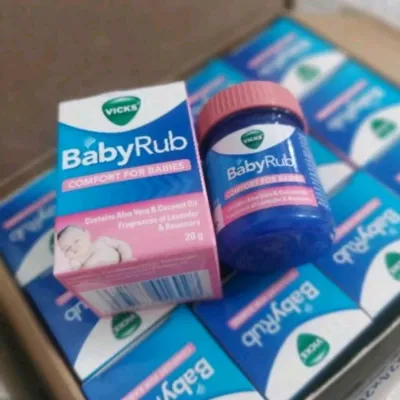
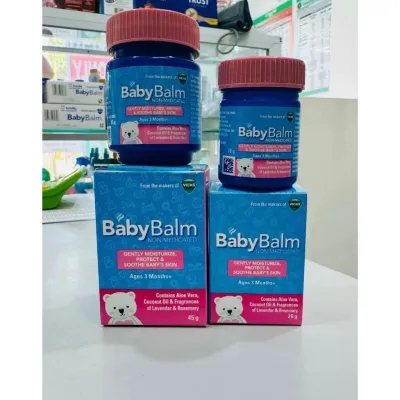
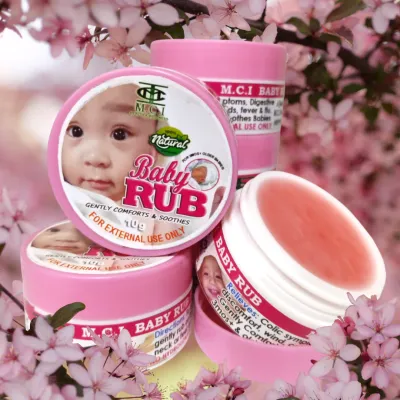
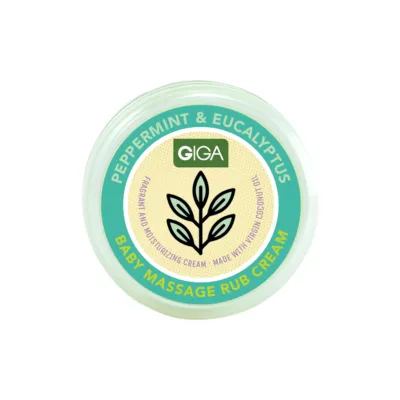
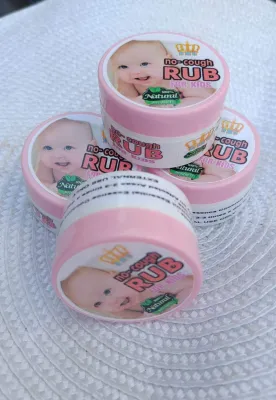
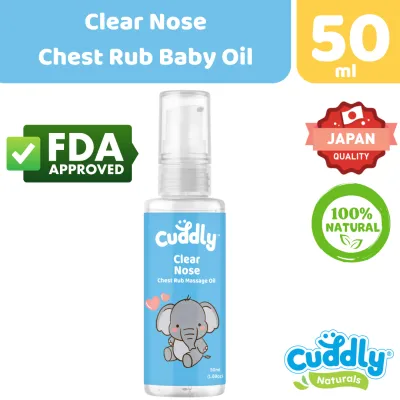
Prices are valid at publication and may change. Please refer to the product page for the latest price.
To ensure a product is appropriate for your child, you must carefully read the entire ingredient list rather than relying solely on front-of-pack marketing. Look for gentle, non-medicinal soothing ingredients such as lavender, chamomile, rosemary, or coconut oil, which are commonly used to provide a calming scent without overpowering the baby’s senses. Many infant rubs use a base of petrolatum, beeswax, or plant-based oils to help moisturize the skin while slowly releasing the mild aroma. However, you should never assume that a product is automatically safe simply because it is labeled “natural,” “organic,” or “plant-based.” Natural botanical oils can still trigger allergic reactions or skin irritation on delicate infant skin.
Before purchasing or applying any baby rub, verify that the packaging features intact safety seals and clear, legible manufacturer instructions. Check for explicit age-specific warnings, such as “not for use on infants under three months” or “consult a physician before use.” Reputable manufacturers will clearly outline any contraindications, such as avoiding application on broken skin or near the face. If a product lacks a detailed ingredient list, clear age guidelines, or manufacturer contact information, it is best to avoid using it on your child entirely. Whether you are purchasing a soothing balm for ₱150 or ₱500, the priority should always be the safety label rather than the price tag.
Age Guidelines: Verifying Appropriateness for Your Baby
One of the most critical steps in baby care is locating and interpreting the manufacturer’s minimum age recommendation on the product packaging. Many commercially available baby rubs are formulated specifically for infants who are at least three months old. This age threshold is not arbitrary; it is established because a newborn’s skin and respiratory systems undergo rapid development during the first few weeks of life. Applying a topical rub to a newborn under three months of age carries a much higher risk of adverse reactions, even if the product is marketed as a gentle baby formula.

The strict age restrictions for newborns versus older infants exist primarily because of differences in skin permeability and respiratory sensitivity. A newborn’s skin barrier is significantly thinner and more absorbent than that of an older infant or adult. This means any topical substance applied to a newborn’s skin is absorbed into their system much more rapidly and deeply, increasing the risk of systemic toxicity or localized chemical irritation. Furthermore, a newborn’s airways are incredibly narrow and easily irritated by strong scents, which can trigger reflex bronchospasms or increase mucus production, worsening the very congestion you are trying to soothe.
As a firm safety rule, you should always consult a pediatrician before applying any new topical product, including baby rubs, to an infant who is under the label’s specified minimum age. This consultation is also essential if your baby has pre-existing skin conditions, such as atopic dermatitis (eczema), or a history of respiratory issues like asthma. A pediatrician can evaluate your baby’s specific health profile and advise you on whether a soothing rub is appropriate, or if alternative comfort measures—such as using a cool-mist humidifier or saline nasal drops—would be safer and more effective for managing your baby’s discomfort.
Potential Side Effects and Skin Sensitivities
Even when using a product specifically formulated for infants, parents must remain vigilant about potential side effects and skin sensitivities. The most common adverse reaction to topical baby rubs is localized skin irritation, which can present as redness, a bumpy rash, dry patches, or localized warmth. Because infant skin is highly reactive, an ingredient that is perfectly tolerated by one baby might cause immediate discomfort for another. In the warm and humid climate of the Philippines, heavy ointments can also trap sweat and heat against the skin, potentially leading to heat rash (bungang-araw) if applied too thickly or left on the skin for extended periods.
Beyond skin irritation, parents must also watch for respiratory sensitivities. The strong scents and essential oils used in baby rubs, while milder than adult versions, can still be overwhelming if applied too close to the baby’s face, nose, or mouth. If an infant inhales concentrated vapors, it can irritate the lining of their nasal passages and airways. This irritation can manifest as sudden coughing, sneezing, watery eyes, or subtle changes in breathing patterns. In some cases, a baby may become unusually fussy or restless simply because the scent is too strong and they cannot escape it.
To minimize the risk of a widespread reaction, always perform a patch test before applying a new baby rub to a larger area of your child’s body. To do this, apply a very small, pea-sized amount of the product to a discrete area of the baby’s skin, such as the inner forearm or the side of the thigh, strictly following the product’s application instructions. Observe the area closely over the next 24 hours for any signs of redness, swelling, itching, or tiny bumps. If any reaction occurs, gently wash the area with mild soap and water, and do not use the product again. If the skin remains clear and normal after 24 hours, you can proceed with a full application as directed by the manufacturer.
How to Safely Apply Baby Rub
When you have verified that a baby rub is age-appropriate and has passed a patch test, safe application depends entirely on following a precise and careful routine. Always start by reading the specific product label to identify the manufacturer’s recommended application areas. Generally, safe areas for applying a gentle baby rub include the chest, the back, and the soles of the feet. Applying the rub to the chest and back allows the mild, soothing vapors to rise gently toward the baby without being overly concentrated, while applying it to the soles of the feet is a popular traditional method that keeps the product far away from the baby’s face.
There are several critical areas where baby rub must never be applied under any circumstances. Avoid the face, eyes, mouth, and nostrils entirely, as direct contact with these areas can cause severe irritation, chemical burns, or immediate respiratory distress. Never apply the product to the baby’s hands or fingers, as infants frequently put their hands in their mouths or rub their eyes, which can easily transfer the product to these highly sensitive areas. Additionally, do not apply baby rub to any broken, scratched, sunburnt, or irritated skin, as the active ingredients can penetrate the damaged skin barrier and cause intense stinging or systemic absorption.
Caregiver supervision is a vital component of safe application. Always wash your hands thoroughly with soap and water before and immediately after applying the rub to prevent accidentally transferring the product to your own eyes or to other items your baby might touch. Once you have finished applying the product, dress your baby in comfortable, breathable clothing that covers the application areas, such as a light cotton onesie, to prevent them from touching the rub and spreading it. Finally, always store the container securely closed and completely out of reach of children, preferably in a high, locked cabinet, to prevent accidental ingestion or misuse.
When to Stop Use and Seek Professional Help
Knowing when to stop using a baby rub and transition to professional medical care is a crucial aspect of responsible caregiving. You must immediately discontinue use of the product if you observe any signs of an adverse reaction. These signs include a worsening skin rash, hives, swelling, or if your baby begins to show signs of respiratory discomfort, such as rapid breathing, wheezing, flaring nostrils, or a persistent cough. Increased fussiness, crying, or lethargy after application are also clear indicators that the product is not agreeing with your baby and should be removed immediately.
If you suspect your baby is having a localized skin reaction to the rub, take immediate, low-risk steps to remove the product from their skin. Gently wash the affected area using lukewarm water and a mild, fragrance-free baby soap. Avoid scrubbing the skin, as this can worsen irritation and push the product deeper into the pores; instead, use a soft washcloth to gently pat and lift the ointment away. Once the skin is clean, pat it dry with a clean towel and leave it exposed to the air to cool down. Do not apply other lotions, creams, or home remedies to the irritated area unless specifically advised to do so by a healthcare professional.
While mild skin redness may fade quickly after washing, you must contact a pediatrician if the irritation persists, spreads, or appears to cause your baby ongoing discomfort. Seek urgent medical care immediately if your baby exhibits any signs of a severe allergic reaction or respiratory distress, such as blue-tinted lips or skin, difficulty breathing, or extreme lethargy. Remember that a baby rub is a comfort measure, not a medical treatment; if your baby has a fever, a persistent cough, or other symptoms of illness, these require a proper medical evaluation by a qualified healthcare professional rather than continued reliance on topical balms.
Frequently Asked Questions (FAQ)
Can I use adult vapor rub on my baby if I apply less?
No, you must never use adult vapor rub on a baby, even in extremely small amounts. Adult formulations contain high concentrations of active ingredients like camphor and menthol, which are unsafe for infants and can cause severe respiratory distress or skin irritation. Always use products that are explicitly labeled and tested for infant use, and strictly follow the age guidelines on the packaging.
Does baby rub cure a cold or cough?
No, baby rubs do not cure colds, coughs, or any underlying viral or bacterial infections. They are designed solely as non-medicinal comfort products to help soothe and relax your baby through gentle massage and mild, calming scents. If your baby is showing signs of a cold, cough, or fever, consult a pediatrician for a proper diagnosis and treatment plan.
What should I do if my baby accidentally ingests baby rub?
If your baby accidentally ingests any amount of baby rub, do not induce vomiting and do not give them anything to eat or drink unless instructed by a professional. Immediately contact your local poison control center or seek emergency medical help at the nearest healthcare facility. Be sure to bring the product packaging with you so the medical staff knows the exact ingredients.

Community discussion
Share your experience or ask a question. Comments are reviewed before publication.