
The Short Answer: Why Pediatricians Advise Against Baby Powder
Major pediatric organizations worldwide, including local pediatric societies in the Philippines, generally advise against using traditional baby powder on newborns. The primary reason for this recommendation is the significant risk of inhalation, which can lead to severe respiratory distress in infants. Because a newborn’s lungs and airways are incredibly small and highly sensitive, even minor exposure to airborne powder particles can cause breathing difficulties.
While alternative formulations like cornstarch-based powders exist, they still present similar inhalation risks. Consequently, modern pediatric guidance suggests that the safest approach for newborn skin care is to avoid loose powders entirely. This guide explores the differences between talc and cornstarch, details why infant respiratory systems are so vulnerable, and provides practical, powder-free skincare alternatives designed to keep your baby comfortable and dry in a tropical climate.
Understanding the Ingredients: Talc vs. Cornstarch Safety Profiles
When choosing baby products, understanding what goes onto your newborn’s skin is essential. Traditional baby powder formulations generally fall into two distinct categories: talcum-based and cornstarch-based. Each of these ingredients carries unique properties, safety profiles, and potential risks that every parent should carefully evaluate before application.
Products mentioned in this guide
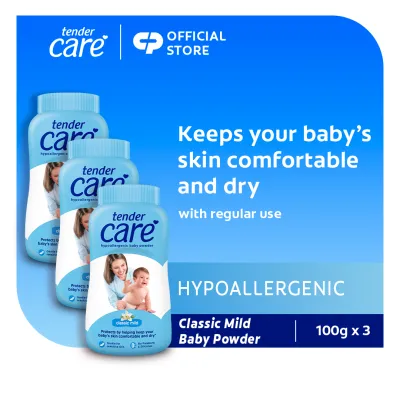
![[BUY 2 FREE 1] Tender Care Pink Soft Baby Powder - Hypoallergenic & Dermatologically Tested 100g Value Pack of 3](https://img.lazcdn.com/g/p/1a198013be52a2f9fc4725516f9fb01d.png_400x400q80.png_.webp)
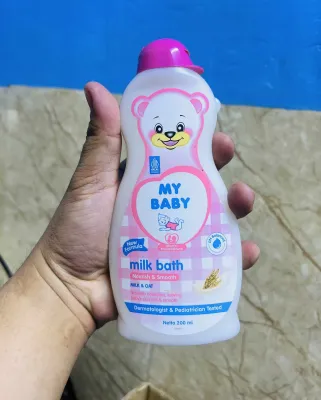
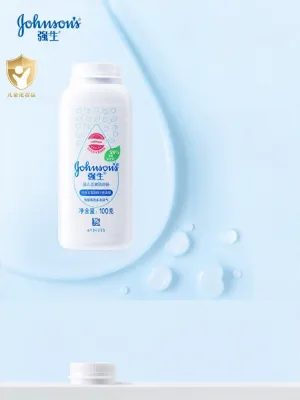
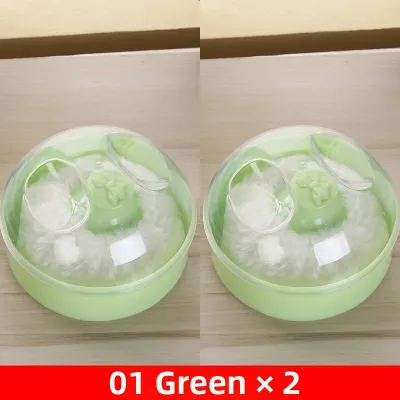
Prices are valid at publication and may change. Please refer to the product page for the latest price.

Talcum Powder and Health Concerns
Talcum powder is made from talc, a naturally occurring mineral composed of magnesium, silicon, oxygen, and hydrogen. For generations, talc was the primary ingredient in baby powders because of its excellent ability to absorb moisture, reduce friction, and prevent chafing in delicate skin folds. Its fine texture made it a staple in nurseries across the globe, especially in warm climates where sweat and humidity are constant challenges.
However, the safety of talc has been the subject of intense scrutiny and ongoing debate. Because talc is mined from the earth, natural deposits can sometimes occur in close proximity to asbestos, a known carcinogen. While cosmetic-grade talc is required to be completely free of asbestos contamination, concerns over testing standards, potential long-term health risks, and high-profile product liability lawsuits have reshaped the market. Parents must verify safety standards, manufacturer recalls, and ingredient certifications on the product packaging, as these can vary by region and brand.
Many major global manufacturers have phased out talc-based baby powders entirely, replacing them with alternative starch-based ingredients. Despite this shift, older or imported stock may still be found on some store shelves or online marketplaces. Parents should carefully check product ingredient labels to ensure they are fully aware of what they are purchasing, especially if they are using products gifted from abroad or sourced from informal retailers.
Cornstarch Powder: Is It a Safer Alternative?
In response to the safety concerns surrounding talc, many manufacturers introduced cornstarch-based baby powder as a natural and safer alternative. Cornstarch is derived from the corn kernel and is widely used in cooking as well as cosmetics. Because it is a food-based ingredient, it completely eliminates any risk of asbestos contamination, making it highly appealing to parents seeking a gentler option for their babies.
However, cornstarch is not entirely without risk. It is still a very fine particulate matter. When shaken or applied, cornstarch particles easily become airborne, posing an identical physical inhalation hazard to a newborn’s delicate respiratory system. From a mechanical standpoint, the lungs do not distinguish between inhaled talc and inhaled cornstarch; both can cause irritation and blockages in the small airways.
Additionally, cornstarch presents a specific biological drawback in tropical climates like the Philippines. Because cornstarch is a carbohydrate, it can serve as a food source for naturally occurring microorganisms on the skin. In warm, humid environments, moisture trapped in diaper areas and skin folds can combine with cornstarch to promote the rapid growth of yeast and fungi, such as Candida. Applying cornstarch to an active diaper rash can actually worsen the infection rather than soothe it, leading to increased discomfort for your little one.
The Hidden Danger: Inhalation Risks for Newborn Lungs
The most immediate and severe physical danger associated with baby powder is not skin irritation, but the risk of inhalation. Newborn babies have highly sensitive, rapidly developing respiratory systems that are uniquely vulnerable to environmental irritants. Their airways are incredibly narrow, and their lungs are still forming the tiny air sacs, or alveoli, that are responsible for oxygen exchange.
When you shake a bottle of baby powder, a cloud of microscopic dust particles is instantly released into the air. Because these particles are so lightweight, they remain suspended in the breathing zone of both the caregiver and the infant for a significant period. A newborn, lying directly beneath the application area, can easily inhale these airborne particles before they have a chance to settle.
The mechanics of this risk are particularly concerning because infants lack the fully developed protective reflexes that adults rely on. While an adult might cough or sneeze to expel larger dust particles, a newborn’s airway defense mechanisms are immature. The fine powder particles can bypass the nasal passages and travel deep into the lower respiratory tract, settling in the bronchioles and alveoli. Once inside, the powder cannot be easily cleared by the body.
Inhaling baby powder can lead to a range of respiratory issues, some of which can escalate rapidly. Mild exposure might manifest as immediate coughing, sneezing, or mild wheezing. However, more significant or repeated exposure can cause chemical pneumonitis, an inflammation of the lung tissue that mimics pneumonia. This condition can lead to severe breathing difficulties, chronic lung irritation, and in extreme cases, long-term respiratory damage or acute respiratory failure.
It is crucial for parents to understand that this inhalation risk is not exclusive to talc. The physical size and weight of the particles are what cause the mechanical blockage and irritation in the lungs. Whether the powder is made from talc, cornstarch, arrowroot, or kaolin clay, the danger of inhaling loose, airborne particles remains exactly the same. For this reason, pediatricians emphasize that the physical form of the product—a loose, dry powder—is the primary hazard.
Powder-Free Alternatives for Keeping Baby’s Skin Dry
In the tropical climate of the Philippines, keeping a newborn’s skin dry and comfortable is a constant battle. High humidity and warm temperatures often lead to excessive sweating, which can accumulate in diaper areas and deep skin folds around the neck, thighs, and underarms. While parents traditionally turned to baby powder to combat this moisture, there are several highly effective, powder-free alternatives that keep your baby’s skin healthy without any respiratory risks.
The foundation of excellent newborn skincare is a proactive and gentle diaper care routine. Instead of relying on powders to absorb moisture after the fact, focus on preventing moisture buildup from the start. This begins with frequent diaper changes, ensuring that wet or soiled diapers are replaced promptly to minimize skin contact with urine and feces.
When cleaning the diaper area, use warm water and a soft washcloth, or choose gentle, alcohol-free, and fragrance-free baby wipes. Avoid rubbing the skin vigorously, as this can break down the delicate skin barrier and make it more susceptible to irritation. After cleansing, the most critical step is to allow the baby’s skin to air-dry completely. Taking just a few minutes to let the skin air out before putting on a new diaper is one of the most effective ways to prevent diaper rash.
To protect the skin from friction and moisture, use a high-quality barrier cream or ointment rather than a powder. Products containing zinc oxide or petroleum jelly are excellent choices. These topical barriers create a physical shield on the skin’s surface, preventing moisture from penetrating while reducing the friction caused by diaper edges. Because these creams and ointments are thick and stay exactly where they are applied, they pose absolutely zero inhalation risk to your baby.
Managing the environment is also key to keeping your baby dry in a humid climate. Dress your newborn in loose-fitting, lightweight, and breathable clothing made from natural fibers like 100% cotton. Cotton allows air to circulate freely and helps wick sweat away from the skin. Additionally, try to keep the nursery well-ventilated. Using a fan to maintain gentle air circulation can help lower humidity levels in the room, keeping your baby cool and reducing the likelihood of heat rash in delicate skin folds.
Harm Reduction: Safe Application If You Choose to Use Powder
Before applying any commercial skincare product, always check the product’s label and the manufacturer’s instructions for specific age suitability, warnings, and proper usage guidelines. If these instructions conflict with other advice, or if you are unsure of the product’s safety, consult a qualified professional or the manufacturer directly.
While medical professionals strongly advise against using loose powders on newborns, some parents may still choose to use them due to personal preference, cultural practices, or specific care routines. If you decide to use baby powder, it is vital to follow strict harm-reduction guidelines to minimize the risk of your baby inhaling the fine particles.
First and foremost, never shake baby powder directly onto your baby’s body, near their face, or in an enclosed space. Shaking the container directly over the infant creates an immediate cloud of dust right in their breathing zone, maximizing the likelihood of inhalation. Instead, always use the “hands-first” method to control where the powder goes.
To practice the hands-first method, step away from your baby first. Shake a very small amount of powder directly into your own palm. Gently rub your hands together to distribute the powder and break up any loose clumps. Once the dust has settled and the powder is safely adhered to your skin, return to your baby and gently pat your hands onto the targeted areas of the baby’s lower body, such as the outer diaper area or upper thighs.
Always store the baby powder container completely out of reach of children, and ensure the lid is tightly closed immediately after use. Accidental spills can occur if a toddler gets hold of a bottle, leading to a sudden, massive cloud of powder that can cause severe respiratory emergencies.
Finally, restrict the application of powder strictly to the lower half of the baby’s body. Never apply baby powder to the baby’s face, neck, upper chest, or hands. Applying powder to these upper areas places the particles dangerously close to the nose and mouth, making inhalation almost inevitable. Additionally, avoid applying powder directly to genital mucous membranes, as this can cause localized irritation and discomfort.
When to Stop Using Powder and Consult a Pediatrician
As a parent, monitoring your newborn’s physical responses to any skincare product is crucial. If you are using baby powder and notice any unusual symptoms, you must stop using the product immediately and seek professional medical guidance. Knowing what signs to look for can help you intervene before a minor issue becomes a serious health concern.
Watch closely for any signs of respiratory distress, which indicate that your baby may have inhaled powder particles. These signs include persistent coughing, wheezing, rapid or shallow breathing, flaring of the nostrils, or chest retractions (where the skin pulls in tightly between or under the ribs during breathing). If your baby appears unusually lethargic or has difficulty feeding alongside these respiratory symptoms, seek immediate emergency medical care.
You should also monitor your baby’s skin for adverse reactions. If you notice worsening redness, swelling, small red bumps, or a raw, peeling rash in the skin folds, the powder may be exacerbating the issue. In humid environments, a persistent rash in the groin or neck folds that does not improve with standard diaper creams may indicate a yeast infection, which can be fueled by cornstarch-based powders.
If any of these respiratory or skin symptoms occur, safely dispose of the powder and consult a qualified pediatrician. Do not attempt to treat a persistent diaper rash or breathing concern with over-the-counter remedies without a professional diagnosis. Your pediatrician can provide a safe, targeted treatment plan to restore your baby’s health and comfort.
Frequently Asked Questions (FAQ)
Can I use baby powder on my newborn's face or neck?
No, you should never use baby powder on your newborn’s face, neck, or upper chest. Applying powder to these areas places the fine particles directly next to your baby’s nose and mouth, which dramatically increases the risk of direct inhalation into the lungs. Additionally, loose powder applied near the face can easily get into your baby’s eyes, causing irritation, redness, and corneal scratches.
Is liquid baby powder or talc-free lotion safer?
Yes, liquid baby powders and talc-free lotions that dry into a powder-like finish are generally much safer than loose powders. Because these products are applied as a liquid or cream, they do not create airborne particles, completely eliminating the risk of inhalation. However, before introducing any new skincare product to a newborn’s routine, you should check the label for potential irritants, artificial fragrances, or allergens, and consult your pediatrician to ensure it is suitable for your baby’s skin.
How do I keep my baby's skin folds dry in a humid climate without powder?
To keep your baby’s skin folds dry in a humid climate, start by gently patting the areas completely dry with a clean, soft cotton towel after every bath. Avoid rubbing, which can irritate the skin. Dress your baby in loose, breathable, moisture-wicking cotton fabrics, and avoid overdressing them in multiple layers. If friction or chafing remains a persistent issue in deep skin folds, applying a very thin layer of a pediatrician-approved barrier ointment is a much safer and more effective alternative to loose absorbent powders.
Community discussion
Share your experience or ask a question. Comments are reviewed before publication.