
The Short Answer: Is Baby Powder Safe for Newborns?
Major pediatric associations worldwide, including the American Academy of Pediatrics, generally advise against using traditional baby powder on newborns due to significant inhalation risks. While products like tender care powder are formulated to be exceptionally gentle on sensitive skin, the physical form of fine, loose powder particles still poses respiratory hazards when it becomes airborne. Newborns have highly sensitive, developing respiratory systems, and inhaling even small amounts of these fine particles can lead to lung irritation and breathing difficulties.
If you choose to use powder after consulting your pediatrician, strict safety and application protocols are mandatory to protect your baby’s airways. It is vital to understand that no powder is entirely risk-free when airborne, regardless of how mild the formulation claims to be. Always consult a healthcare professional or pediatrician for personalized infant care advice tailored to your baby’s specific skin type and health status.
Understanding the Risks of Baby Powder
In tropical climates like the Philippines, high humidity and heat frequently cause babies to sweat, leading to discomfort, chafing, and heat rash, locally known as bungang-araw. For generations, many Filipino households have relied on dusting babies with powder after a bath to keep them dry, cool, and smelling fresh. However, modern pediatric medicine highlights significant risks associated with this practice that every parent must consider.
Products mentioned in this guide
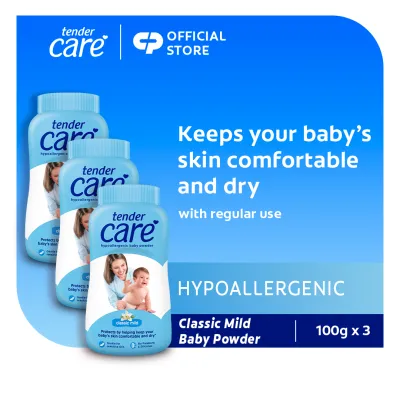
![[BUY 2 FREE 2] Tender Care Classic Mild + Assorted Tender Care Baby Powder 200g Assorted Bundle of 4](https://img.lazcdn.com/g/p/ff2f989eeada22efbd30d25d0376e2e6.png_400x400q80.png_.webp)
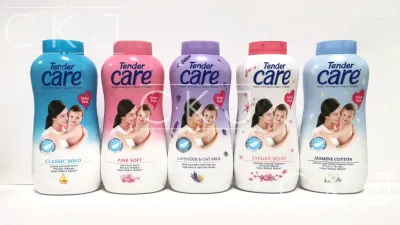
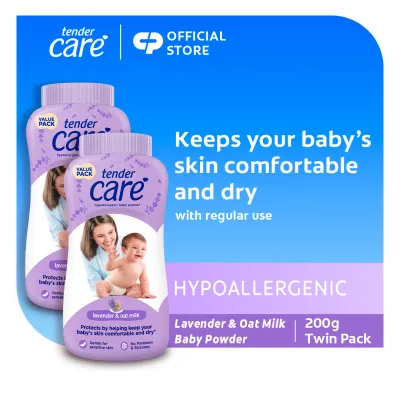
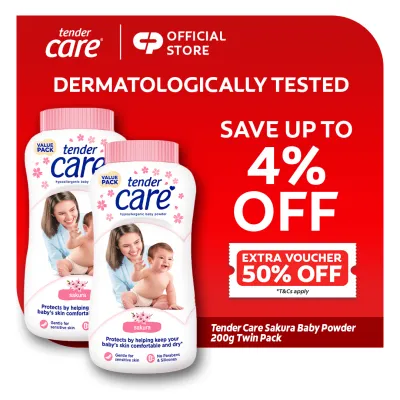
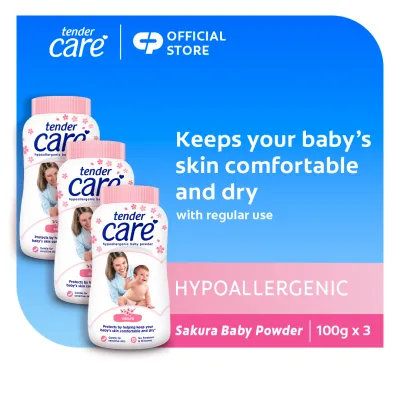
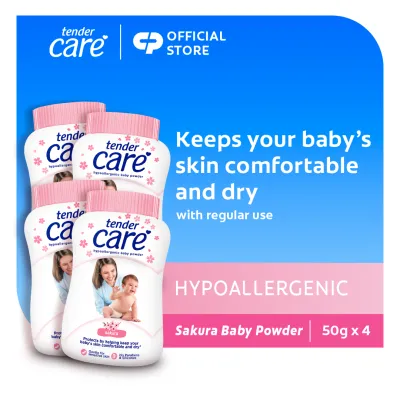
![[BUY 1 FREE 1] Tender Care Classic Mild Baby Powder - Hypoallergenic & Dermatologically Tested 200g x2](https://img.lazcdn.com/g/p/302bc979d85a5d59e97e49efef54084b.png_400x400q80.png_.webp)
Prices are valid at publication and may change. Please refer to the product page for the latest price.

Inhalation and Respiratory Concerns
Newborns possess tiny, developing airways that are highly susceptible to external irritants. When loose powder is shaken or applied, it creates an invisible cloud of fine particles in the immediate breathing zone of the infant. Because newborns breathe at a faster rate than adults and primarily through their noses, they easily inhale these airborne particles deep into their lungs.
Inhaling fine powder can cause acute respiratory inflammation, immediate coughing fits, choking, and long-term breathing difficulties. Infants lack the fully developed cough reflex and muscular strength to clear these microscopic particles from their airways effectively. Over time, repeated exposure to airborne powder can lead to chronic lung irritation or more severe respiratory complications.
Talc vs. Cornstarch: Ingredient Safety
To make informed choices, parents must distinguish between the two primary bases used in baby powders: talc and cornstarch.
- Talc-Based Powders: Talcum powder is made from talc, a mineral composed of magnesium, silicon, and oxygen. Historically, concerns have arisen regarding talc due to the risk of asbestos contamination during mining, as well as its severe impact on lung tissue when inhaled. Pediatricians strongly urge parents to completely avoid talc-based powders for infants.
- Cornstarch-Based Powders: Many modern products, including cornstarch-based tender care powder, utilize food-grade cornstarch as a safer alternative to talc. Cornstarch particles are slightly larger than talc particles and are free from talc-related mineral contaminants, making them gentler on the skin. However, cornstarch still carries the exact same physical inhalation and respiratory risks when the particles become airborne. Whether talc or cornstarch, any fine dust suspended in the air can irritate a newborn's delicate lungs.
When to Avoid Baby Powder Completely
There are several critical scenarios, health conditions, and developmental stages where baby powder should never be used under any circumstances. Recognizing these situations is essential for preventing severe respiratory distress and skin infections.
Premature babies are particularly vulnerable to the risks of powder. Because their lungs and respiratory tracts are highly underdeveloped at birth, even the slightest exposure to airborne particles can trigger severe respiratory distress or apnea. If your baby was born prematurely, keep all loose powders entirely out of their environment.
Infants with diagnosed respiratory conditions, such as chronic lung disease, or those with a strong family history of asthma and severe environmental allergies, must never be exposed to baby powder. Their hyper-reactive airways can constrict rapidly upon contact with airborne dust, leading to acute breathing emergencies.
Never apply baby powder to broken, raw, sunburned, or infected skin. If your baby is suffering from a severe diaper rash or a suspected yeast infection (candidiasis), powder will worsen the condition. When mixed with urine and sweat, powder clumps into a pasty residue that traps moisture and bacteria against the skin, creating an ideal breeding ground for fungal infections.
Always read product labels carefully before introducing any skincare item to your newborn. Establish a strict rule to stop using any powder immediately and consult a pediatrician if you observe any skin redness, localized irritation, coughing, wheezing, or changes in your baby’s breathing patterns.
How to Apply Tender Care Powder Safely
If you have consulted your pediatrician and decided to use a cornstarch-based tender care powder to manage friction and moisture in specific areas, you must follow a strict, harm-reduction application method. This step-by-step guide is designed to minimize airborne particles and keep them far away from your baby’s face.
- Prepare at a Distance: Keep the powder container completely away from your baby's face and body before opening it. Never open or shake the container while standing directly over the changing table or crib.
- Never Shake Directly: Avoid shaking or sprinkling the powder directly onto your baby's body. Shaking the bottle directly creates a concentrated cloud of dust that your baby will inevitably inhale.
- Dispense Into Your Hands First: Step slightly away from your baby, pour a small, controlled amount of powder into your own palms, and gently press your hands together to minimize dust dispersion.
- Gently Pat the Skin: Gently pat—do not rub—the powder onto your baby's skin. Focus strictly on areas highly prone to friction, such as the outer thigh folds and the creases of the legs. Completely avoid applying powder near the face, neck, chest, hands (as babies frequently put their hands in their mouths), and genital mucous membranes.
- Secure and Store Safely: Close the container tightly immediately after use. Store it on a high shelf completely out of your baby's reach and sight to prevent accidental spills, inhalation, or ingestion as your baby grows and begins to reach for objects.
- Clean Up the Area: Immediately wipe away any excess or spilled powder from the changing table, bedding, or surrounding floor using a damp cloth. This prevents the powder from becoming airborne later when the baby moves around.
Safer Alternatives for Newborn Skin and Diaper Care
Managing moisture, heat rash, and diaper friction does not require loose powder. There are several highly effective, non-powder alternatives that address the root causes of skin irritation without posing any respiratory risks to your newborn.
Barrier creams and ointments are the gold standard for protecting delicate newborn skin. Products containing zinc oxide or pure petroleum jelly form a physical, breathable barrier over the skin. This barrier locks in natural moisture while shielding the skin from the irritating effects of wet diapers and friction, completely eliminating the risk of inhalation.
Fragrance-free, hypoallergenic baby lotions can also help soothe mild skin chafing. When purchasing these products in the Philippines, look for formulations specifically tested for newborns and free from harsh parabens, phthalates, and artificial dyes. Prices for quality diaper barrier creams generally range from ₱150 to ₱500, making them an accessible and safe investment for your baby’s layette.
To prevent diaper rash naturally, prioritize these daily caregiving habits:
- Frequent Diaper Changes: Change your baby's diaper immediately after it becomes wet or soiled to prevent urine and stool from irritating the skin.
- Gentle Cleansing: Cleanse the diaper area gently using lukewarm water and a soft cloth, or alcohol-free, fragrance-free baby wipes.
- Allow Skin to Air-Dry: After cleaning, let your baby's skin air-dry completely for a few minutes before putting on a fresh diaper. This simple, cost-free step is the most effective way to prevent moisture buildup and rash.
Frequently Asked Questions (FAQ)
Can I use baby powder on my newborn's face or neck?
No, you should never use baby powder on your newborn’s face or neck. Applying powder to these areas places the fine particles directly next to your baby’s nose, mouth, and eyes, drastically increasing the risk of accidental inhalation, respiratory distress, and eye irritation. To keep your baby’s neck folds dry, gently pat them with a clean, soft, dry cotton cloth instead.
What should I do if my baby inhales baby powder?
If your baby accidentally inhales baby powder, immediately move them to a well-ventilated area with fresh air. Monitor them closely for symptoms such as coughing, choking, wheezing, rapid or shallow breathing, flared nostrils, or unusual lethargy. If you observe any signs of respiratory distress, seek emergency medical help or contact your pediatrician immediately.
Is liquid talc or powder gel a safer option?
Yes, liquid talc or powder-to-cream formulas are significantly safer options. These products apply smoothly as a liquid or cream and dry into a soft, friction-reducing powdery finish without releasing any airborne dust. Always check the product label to ensure the specific formula is hypoallergenic, dermatologist-tested, and explicitly approved for newborn use.
Community discussion
Share your experience or ask a question. Comments are reviewed before publication.