
Many Filipino households have a long-standing tradition of keeping a bottle of baby powder close at hand. Whether it is to keep a newborn smelling fresh or to combat the sticky discomfort of tropical humidity, shaking powder onto an infant’s skin has been passed down through generations. However, modern medical guidelines have shifted significantly regarding this practice.
Major global and local pediatric organizations generally advise against the routine use of baby powder on newborns. The primary concern is not just skin irritation, but the severe risk of accidental inhalation, which can damage a newborn’s delicate, developing lungs. Even a small cloud of fine airborne particles can lead to respiratory distress or chronic lung irritation.
While cornstarch-based powders are widely considered a chemically safer alternative to talc because they eliminate the risk of asbestos contamination, they are not entirely risk-free. Cornstarch particles are still fine enough to be inhaled and cause respiratory issues. Furthermore, cornstarch can actually worsen certain types of diaper rash by serving as a food source for yeast. To protect your newborn, pediatricians recommend keeping the skin dry through frequent diaper changes, proper air circulation, and the application of safe barrier creams.
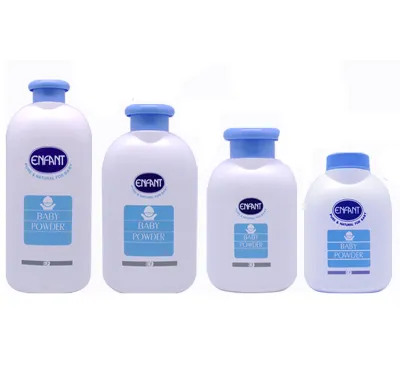
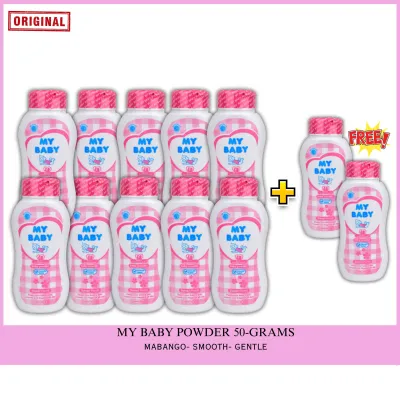
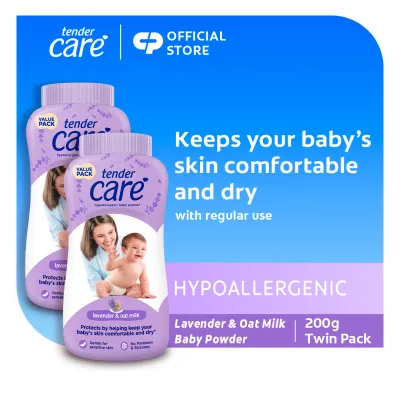
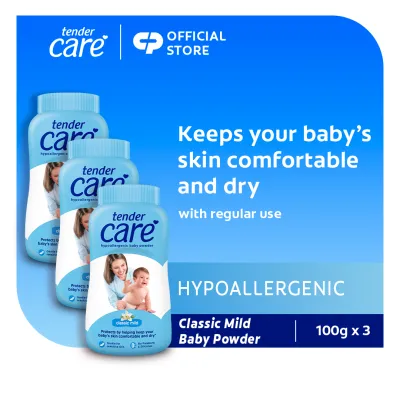
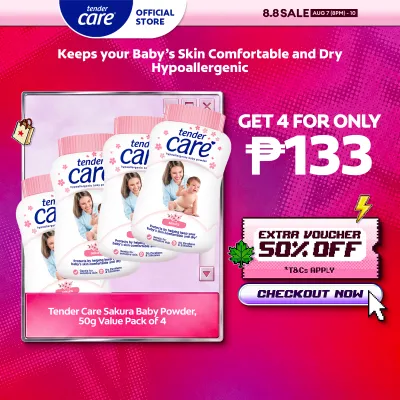
Products mentioned in this guide
![[BUY 2 FREE 1] Tender Care Pink Soft Baby Powder - Hypoallergenic & Dermatologically Tested 100g Value Pack of 3](https://img.lazcdn.com/g/p/1a198013be52a2f9fc4725516f9fb01d.png_400x400q80.png_.webp)
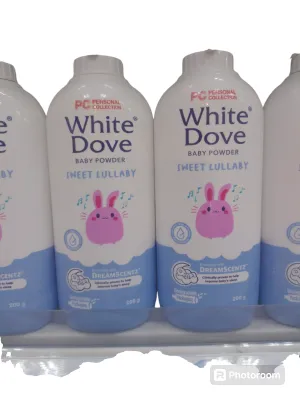
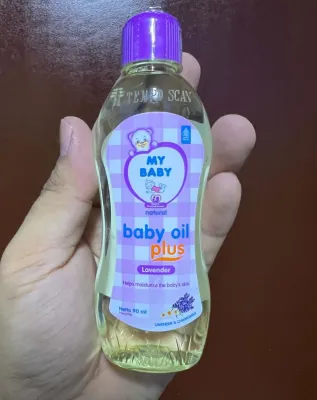
Prices are valid at publication and may change. Please refer to the product page for the latest price.
Talc vs. Cornstarch: Understanding the Ingredients
To make an informed decision for your newborn, it is essential to understand what goes into these products. Baby powders on the market generally fall into two categories based on their primary active ingredient: talc or cornstarch. While both are designed to absorb moisture and reduce friction, their chemical compositions, sourcing methods, and safety profiles differ dramatically.
Talcum Powder and Associated Risks
Talc is a naturally occurring mineral composed of magnesium, silicon, oxygen, and hydrogen. When mined and finely ground, it creates a soft, silky powder that is highly effective at absorbing moisture and reducing skin-on-skin friction. For decades, talcum powder was the gold standard for infant care, prized for its ability to keep delicate skin folds dry and comfortable.
However, talc deposits in the earth are frequently located in close proximity to asbestos, another naturally occurring mineral. Asbestos is a known carcinogen linked to serious lung diseases and cancers. Because of this geological overlap, raw talc can sometimes be contaminated with asbestos fibers during the mining process.
Although modern cosmetic-grade talc undergoes purification, parents must verify specific manufacturer testing, batch certifications, and safety standards directly on the product packaging. Because of the severity of potential contamination risks and the availability of safer alternatives, many pediatricians and health advocates recommend avoiding talc-based baby powders entirely for infants.
Cornstarch Powder: Is It Truly Safer?
As public concern over talcum powder grew, manufacturers began offering cornstarch-based alternatives. Cornstarch is a food-grade, plant-derived ingredient milled from the endosperm of corn kernels. Because it is derived from a common agricultural crop rather than mined from the earth, cornstarch completely eliminates the risk of asbestos contamination, making it a highly appealing option for safety-conscious parents.
Despite its natural, food-grade origin, cornstarch powder is not without its drawbacks. The physical structure of cornstarch particles is still incredibly fine. When shaken from a bottle, these microscopic particles easily become airborne, creating an invisible cloud that a newborn can easily inhale. Once in the respiratory tract, these starch particles can cause physical irritation, airway inflammation, and breathing difficulties similar to those caused by talc.
Additionally, cornstarch presents a unique dermatological risk that many parents are unaware of. Because cornstarch is a carbohydrate, it can act as a food source for Candida albicans, a common type of yeast that thrives in warm, moist environments like diaper areas. If your baby has a diaper rash caused by a yeast infection, applying cornstarch powder can feed the fungi, causing the infection to multiply and spread rapidly. This can turn a mild skin irritation into a severe, painful rash that requires prescription medical treatment.
Why Pediatricians Advise Caution with Newborns
The first few months of a baby’s life are a period of rapid physiological development, making newborns exceptionally vulnerable to environmental hazards. Pediatricians emphasize that a newborn’s body does not process environmental exposures the same way an older child’s or an adult’s body does. This vulnerability is particularly evident in their respiratory and dermatological systems.

A newborn’s respiratory system is highly delicate. Their airways are incredibly small, and their lungs are still actively developing new air sacs. When fine powder particles are suspended in the air during application, they can easily bypass the baby’s natural nasal filtration systems and travel deep into the lungs. This can trigger immediate airway constriction, inflammation, and mucus production, leading to respiratory distress.
Global health authorities, including the American Academy of Pediatrics (AAP), have long advised against using baby powder due to these inhalation risks. In the Philippines, local pediatricians echo these warnings. Given the high prevalence of respiratory conditions like childhood asthma and bronchitis in urban areas, local medical professionals prioritize protecting a baby’s lungs over the cosmetic benefits of powder.
Furthermore, newborn skin is structurally different from adult skin. It is up to 30% thinner, highly permeable, and lacks a fully developed protective barrier. This makes newborns far more susceptible to chemical absorption, dryness, and physical irritation. When baby powder mixes with sweat or urine, it can cake and clump in the skin folds, creating a gritty paste. Instead of preventing friction, this caked powder can rub against the sensitive skin, causing chafing, redness, and micro-tears that leave the baby vulnerable to bacterial infections.
Recognizing the Risks and When to Stop Use
If you choose to use baby powder, or if it is currently part of your daily baby care routine, it is vital to monitor your newborn closely for any adverse reactions. Recognizing the early warning signs of respiratory irritation or skin complications can prevent more serious health issues from developing.
Respiratory warning signs require immediate attention. If you notice your baby coughing, wheezing, or gasping for air during or shortly after you apply powder, this is a clear indication that they have inhaled the particles. Other signs of respiratory distress include rapid, shallow breathing, flaring of the nostrils, or the skin pulling in around the ribs and collarbone as the baby struggles to breathe.
On the skin, adverse reactions often manifest as persistent redness, dry patches, or an escalating diaper rash. A classic sign of a yeast infection worsened by cornstarch is a bright red rash that features distinct, small red spots spreading outward from the main rash area. If the skin in the diaper area or neck folds looks raw, inflamed, or cracked, the powder may be exacerbating the friction rather than soothing it.
You must stop using baby powder immediately if your baby exhibits any changes in their breathing pattern, or if a skin rash fails to improve or worsens after a few days of application. Never apply powder to broken, bleeding, or oozing skin, as this allows the particles to enter the bloodstream or deep tissue, increasing the risk of severe infection. If your baby shows signs of respiratory distress or if a skin rash becomes severe, consult a pediatrician immediately for a proper medical evaluation and treatment plan.
Safer Alternatives for Diaper Rash and Skin Care
Fortunately, you do not need baby powder to keep your newborn’s skin healthy, dry, and comfortable. There are several highly effective, pediatrician-approved alternatives that eliminate the risk of inhalation entirely while providing superior protection for your baby’s delicate skin.
To prevent and treat diaper rash, pediatricians recommend using thick barrier creams or ointments. Products containing zinc oxide or petroleum jelly are excellent choices. These creams form a physical, waterproof barrier over the skin, shielding it from the irritating effects of urine and stool. Unlike powder, these topical treatments do not become airborne, ensuring your baby’s lungs remain completely safe. In the Philippines, high-quality barrier creams are widely available in local pharmacies and online marketplaces, with prices typically ranging from ₱150 to ₱500 depending on the brand and formulation.
The most effective way to prevent skin irritation is to practice proactive diaper hygiene. This includes:
- Frequent Diaper Changes: Change your baby's diaper as soon as it becomes wet or soiled to minimize the time moisture is in contact with the skin.
- Gentle Cleansing: Clean the diaper area gently using lukewarm water and a soft cloth, or fragrance-free, alcohol-free baby wipes. Avoid rubbing the skin vigorously.
- Air Drying: Allow your baby's skin to air dry completely before putting on a new diaper. A few minutes of diaper-free time each day can work wonders for preventing moisture buildup.
In the warm and humid climate of the Philippines, babies are highly prone to heat rash (bungang-araw). Instead of relying on powder to absorb sweat, focus on environmental and clothing adjustments. Dress your newborn in loose-fitting, lightweight, and breathable cotton clothing that allows air to circulate freely. Keep your home well-ventilated using fans or air conditioning, and bathe your baby in lukewarm water to help cool their skin and clear sweat ducts naturally.
Harm Reduction: How to Apply Powder Safely
While medical consensus strongly discourages the routine use of baby powder, some parents may still choose to use cornstarch-based powders under specific circumstances. If you decide to use powder, practicing strict harm reduction techniques is essential to minimize the risk of inhalation and skin irritation.
First, always select a cornstarch-based powder and verify that the product label explicitly states it is talc-free. Always check the manufacturer’s age guidelines, weight limits, and specific safety warnings on the packaging before use. When preparing to apply the powder, ensure the container is kept far away from your baby’s face, hands, and upper body to prevent accidental spills or sudden drafts from blowing the powder into their airway.
To apply the powder safely, follow these steps:
- Dispense Away from the Baby: Shake a small amount of powder directly into your own hands, doing so at a safe distance from your baby to avoid creating a visible dust cloud.
- Pat Gently: Rub your hands together to distribute the powder, then gently pat it onto the baby's diaper area or skin folds. Avoid sweeping or wiping motions that can kick up dust.
- Wipe Away Excess: Carefully wipe away any excess powder that has accumulated in the skin folds during the day, as trapped powder can mix with sweat and cause friction.
Never shake powder directly from the bottle onto your baby’s body, and never allow your baby to hold or play with the powder container. Store the bottle securely on a high shelf, completely out of reach of children. Finally, if your baby has any signs of a yeast infection, broken skin, or an active respiratory illness, suspend the use of powder immediately.
Frequently Asked Questions (FAQ)
Can I use regular adult body powder on my newborn?
No, you should never use adult body powder on a newborn. Adult formulations are designed for mature skin and often contain strong synthetic fragrances, menthol, camphor, or cooling agents that can cause severe chemical irritation or allergic reactions on an infant’s highly sensitive skin. Additionally, many adult powders still utilize talc as their primary ingredient, carrying a higher risk of asbestos contamination and severe inhalation hazards. Stick exclusively to pediatrician-approved, infant-safe skincare products to protect your baby’s health.
What should I do if my baby inhales baby powder?
If your baby accidentally inhales baby powder, act quickly but remain calm. Immediately move your baby to a well-ventilated area with fresh air, and use a clean, damp cloth to gently wipe away any visible powder from their face, nose, and mouth. Monitor your baby closely for any signs of respiratory irritation, such as coughing, wheezing, rapid breathing, or a blue tint around the lips. If your baby exhibits persistent coughing, difficulty breathing, or unusual lethargy, seek emergency medical care immediately, as powder inhalation can quickly lead to serious respiratory complications.
Community discussion
Share your experience or ask a question. Comments are reviewed before publication.