
The Short Answer: Is Baby Powder Safe for Newborns?
Major pediatric organizations generally advise against using traditional baby powder on newborns due to significant inhalation risks. While many parents associate the classic scent of baby powder with clean, fresh infants, medical experts caution that the physical risks of using these fine powders far outweigh any cosmetic benefits. The primary danger lies not just in specific ingredients, but in the physical nature of the powder itself. When shaken, loose powder easily creates an airborne cloud of microscopic particles that a newborn can quickly inhale.
Because a newborn’s respiratory system is still developing, inhaling these fine particles can cause immediate respiratory distress or lead to chronic lung irritation. Modern formulations have largely transitioned away from historically controversial ingredients like talc, but the risk of physical inhalation remains a constant safety concern. Managing moisture and preventing diaper rash can be achieved through safer, more effective methods. This guide explores the differences between talc and cornstarch, details the respiratory risks associated with baby powder in humid climates, and outlines pediatrician-approved alternatives for managing your newborn’s skin health.
Talc vs. Cornstarch: Understanding the Ingredient Risks
To understand the safety profile of baby powder, you must look closely at its active ingredients. Historically, traditional baby powders were made from talc, a naturally occurring mineral composed of magnesium, silicon, and oxygen. Talc is highly effective at absorbing moisture and reducing friction, which made it a staple in infant care for decades. However, natural talc deposits often exist in close proximity to asbestos, a known carcinogen, leading to medical concerns regarding potential asbestos contamination in talc-based powders. Although manufacturers have implemented strict testing protocols over the years, the historical controversy and ongoing health debates have led to a massive industry shift.
Products mentioned in this guide
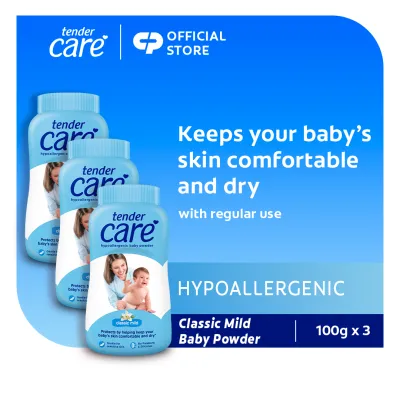
![[BUY 2 FREE 1] Tender Care Pink Soft Baby Powder - Hypoallergenic & Dermatologically Tested 100g Value Pack of 3](https://img.lazcdn.com/g/p/1a198013be52a2f9fc4725516f9fb01d.png_400x400q80.png_.webp)
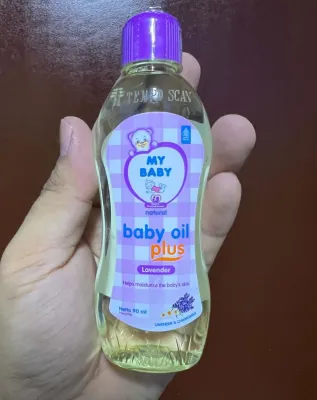
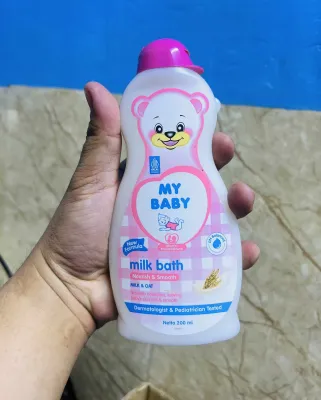
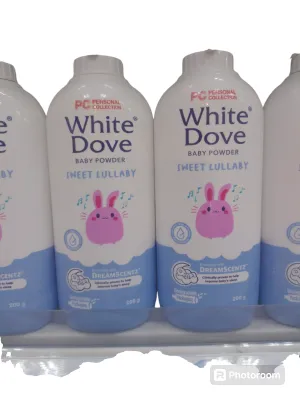
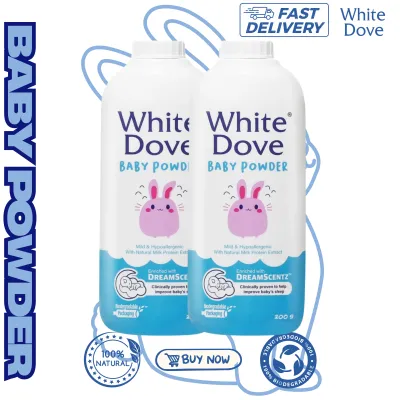
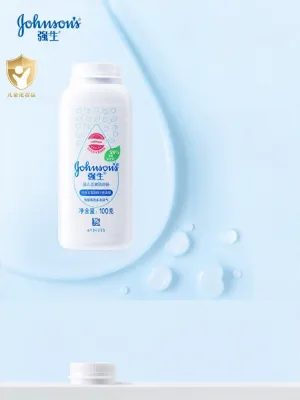
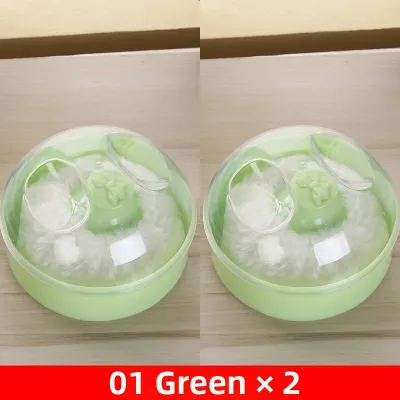
Prices are valid at publication and may change. Please refer to the product page for the latest price.

Today, most major brands have phased out talc-based formulations in favor of cornstarch-based alternatives. Cornstarch is a food-grade ingredient derived from corn kernels, making it a popular choice because it does not carry any risk of asbestos contamination. Even so, transitioning to cornstarch does not make baby powder entirely safe for newborns. Cornstarch particles are still extremely fine and pose the exact same physical inhalation risks as talc when suspended in the air.
Additionally, cornstarch is an organic carbohydrate that can complicate skin infections. When applied to areas of the skin that are already moist, sweaty, or compromised by diaper rash, cornstarch can serve as a food source for fungal organisms, particularly Candida albicans. This is the yeast responsible for most severe diaper rashes. Instead of soothing the skin, applying cornstarch to a damp diaper area can feed the yeast, worsening the infection and causing increased discomfort for your baby.
When shopping for baby skincare products, you must learn to read product labels carefully. Always inspect the ingredient list on the back of the packaging rather than relying on front-label marketing terms like “pure,” “natural,” or “safe for babies.” Look for explicit listings of ingredients, and verify if the product contains talc (often listed as talcum, talc, or cosmetic talc) or cornstarch (listed as Zea mays starch or cornstarch). Additionally, check for certifications from recognized dermatological associations, and always read the manufacturer’s age recommendations and warnings before applying any product to a newborn’s delicate skin.
The Hidden Dangers: Inhalation and Respiratory Risks
The primary reason pediatricians advise against baby powder is the high vulnerability of a newborn’s respiratory system. A newborn’s lungs, airways, and bronchial tubes are incredibly small, delicate, and still developing. Their bodies are highly sensitive to environmental irritants that an adult’s respiratory system might easily filter out or tolerate. When you shake a bottle of baby powder, millions of microscopic particles are dispersed into the immediate air. Because newborns breathe rapidly, they can easily inhale these airborne particles deep into their lungs.
Once inhaled, these fine particles can settle in the smallest airways, causing immediate irritation. This can trigger coughing, wheezing, and shallow breathing. In severe cases, regular inhalation of baby powder can lead to chemical pneumonia, a serious condition characterized by lung inflammation and breathing difficulties that may require hospitalization. Over time, repeated exposure to airborne dust can damage the delicate lining of the lungs, potentially contributing to chronic respiratory issues later in childhood.
In the Philippines, environmental factors play an important role in how these risks manifest. The country’s naturally humid and tropical climate means that homes are often warm, and babies sweat easily to regulate their body temperature. High humidity can interact with airborne powder, causing the particles to clump together in the air or on the skin. When powder clumps on a newborn’s sweaty skin, it traps moisture against the skin surface rather than absorbing it. This trapped moisture compromises the skin barrier, leading to friction, chafing, and localized irritation. Furthermore, the combination of high humidity and airborne dust can make it even harder for babies with sensitive airways—such as those with a family history of asthma—to breathe comfortably, making loose powder an especially risky choice in tropical environments.
Navigating Diaper Rash and Humidity Without Powder
Managing moisture and preventing diaper rash are top priorities for parents, especially during hot and humid seasons. Fortunately, you do not need baby powder to keep your newborn’s skin dry and healthy. Pediatricians consistently recommend safer, more effective alternatives that protect the skin barrier without posing any respiratory risks.
The primary defense against diaper rash is the use of thick barrier creams or ointments. Products containing zinc oxide or petroleum jelly are highly recommended because they do not become airborne. Instead of absorbing moisture like a powder, these creams create a physical, water-resistant barrier on top of the skin. This barrier shields the newborn’s delicate skin from the irritating effects of urine and stool while reducing friction caused by the diaper. When applying these products, ensure you follow the manufacturer’s instructions and apply a generous layer to clean, dry skin during diaper changes.
Achieving dry skin before applying any cream or dressing your baby is crucial. Instead of using powder to dry up residual moisture, practice thorough air-drying. After a bath or a diaper change, use a soft, clean, dry cotton towel to gently pat the skin dry. Avoid rubbing, which can irritate sensitive skin. Once you have patted the area, allow your newborn to lie diaper-free on a clean, dry waterproof pad for a few minutes. This diaper-free air time is one of the most effective ways to let the skin breathe and dry naturally, significantly reducing the risk of diaper rash.
To manage sweat and heat in a tropical climate, focus on your baby’s clothing and environment. Dress your newborn in loose-fitting, lightweight clothing made from 100% breathable cotton. Cotton allows air to circulate freely and helps wick sweat away from the skin, preventing the buildup of moisture in skin folds. Keep the nursery well-ventilated using fans or air conditioning, ensuring the airflow is indirect and does not blow directly onto the baby. Additionally, perform frequent diaper changes—ideally as soon as the diaper is wet or soiled—to prevent moisture from sitting against the skin for extended periods.
Harm Reduction: How to Apply Powder Safely If You Choose To
While medical consensus strongly discourages the use of loose baby powder, some parents may still choose to use it due to personal preference, cultural practices, or specific care routines. If you decide to use baby powder on your newborn, you must follow strict safety protocols to minimize the risk of accidental inhalation and skin irritation.
First, never shake the powder container directly onto your baby’s body. Shaking the bottle from a height creates a large, concentrated cloud of dust directly in the baby’s breathing zone. Instead, step away from your baby—ideally to another side of the room—and pour a small amount of powder directly into your own palm or onto a soft cloth. Close the container tightly and place it out of the baby’s reach immediately.
Second, gently pat the powder onto your baby’s skin using your hands or the cloth. Do not rub vigorously, as this can create airborne friction and release more dust into the air. Ensure the room is well-ventilated, but avoid applying powder directly in front of an active fan or air conditioning vent, which can quickly disperse the particles throughout the room and into your baby’s face.
Third, be highly selective about where you apply the powder. Never apply baby powder to your newborn’s face, neck, or upper chest, as these areas are too close to the airway and pose an immediate inhalation hazard. Additionally, avoid applying powder to deep skin folds, such as the groin, thighs, or underarms, where sweat naturally accumulates. In these areas, the powder will inevitably mix with sweat to form a thick, pasty residue that traps moisture, clogs pores, and promotes bacterial or fungal growth. Limit application to flat, dry areas of the body where friction is minimal.
Warning Signs: When to Stop Use and See a Pediatrician
As a parent, you must remain vigilant and monitor your newborn closely for any adverse reactions if baby powder is used in your household. Because newborns cannot communicate their discomfort, you must rely on physical and behavioral cues to identify potential problems.
Stop using baby powder immediately and monitor your baby closely if you observe any of the following respiratory warning signs during or after application:
- Frequent coughing or choking spells
- Wheezing or whistling sounds when breathing
- Rapid, shallow breathing or flaring of the nostrils
- Chest retractions, where the skin pulls in tightly around the ribs or collarbone during breathing
- Unusual fussiness, lethargy, or difficulty feeding after powder exposure
These symptoms can indicate that powder particles have entered the baby’s lungs and are causing irritation or airway obstruction.
You should also inspect your baby’s skin daily for localized reactions. Stop using the powder if you notice:
- Worsening diaper rash or intense redness that does not improve with standard barrier creams
- Raw, peeling, or bleeding skin in the diaper area or skin folds
- The appearance of bright red, raised bumps or satellite lesions, which are classic signs of a fungal or yeast infection that may be fueled by cornstarch
If your baby exhibits any breathing difficulties, or if a skin rash persists, worsens, or shows signs of infection after stopping the powder, consult a qualified pediatrician immediately. Do not attempt to treat respiratory symptoms or severe rashes with over-the-counter remedies without professional medical guidance.
Frequently Asked Questions (FAQ)
Can I use baby powder on my newborn's face or neck?
No, you should never use baby powder on your newborn’s face, neck, or upper chest. Applying powder to these areas places the fine, airborne particles directly next to your baby’s nose and mouth. This dramatically increases the risk of accidental inhalation, which can lead to severe respiratory irritation, coughing, or lung inflammation. To keep these areas clean and dry, gently wipe them with a damp, soft cloth and pat them completely dry with a clean towel.
Is liquid baby powder a safer alternative?
Yes, liquid baby powder, often marketed as lotion-to-powder formulations, is generally considered a much safer alternative to traditional loose powder. These products are applied as a cream or lotion and dry into a soft, powdery finish on the skin. Because they do not create an airborne cloud of dust during application, they completely eliminate the risk of inhalation. However, while they are safer from a respiratory standpoint, traditional barrier creams containing zinc oxide or petroleum jelly remain the gold standard for preventing and treating diaper rash.
Does baby powder prevent diaper rash better than creams?
No, baby powder does not prevent diaper rash better than barrier creams. While powders are highly effective at absorbing temporary surface moisture, they do not create a durable, protective barrier on the skin. Once a baby urinates, the powder quickly becomes saturated and loses its effectiveness. In contrast, thick barrier creams containing zinc oxide or petroleum jelly create a resilient, water-resistant shield that physically blocks wetness and acidic waste from coming into contact with the baby’s delicate skin, offering far superior protection against diaper rash.
Community discussion
Share your experience or ask a question. Comments are reviewed before publication.