
Newborn babies have incredibly delicate skin that is highly susceptible to irritation, dryness, and allergic reactions. When preparing a nursery in the Philippines, where the tropical heat and high humidity often lead to multiple clothing changes a day, keeping baby garments soft and comfortable is a top priority for parents. However, using traditional or even some baby-branded fabric conditioners on a newborn’s clothing is generally not recommended, especially if the infant has sensitive or eczema-prone skin. The primary purpose of a fabric conditioner is to leave a thin chemical film over fabric fibers to make them feel smoother to the touch. For a newborn with an underdeveloped skin barrier, this lingering residue can easily trigger contact dermatitis, redness, and persistent itching. While some specialized products are formulated to minimize these risks, understanding how these products interact with infant skin is crucial before adding them to your laundry routine.
Understanding How Fabric Conditioners Affect Newborn Skin
To understand why fabric softeners pose a risk, it is essential to look at the structure of newborn skin. An infant’s skin barrier is significantly thinner than an adult’s, making it highly permeable to topical substances. This means that chemicals remaining on clothing fibers after a wash cycle can easily penetrate the skin, leading to rapid absorption and localized irritation. Additionally, a newborn’s skin loses moisture much faster than adult skin and has an underdeveloped temperature regulation system, which is why sweat and friction under tropical conditions can exacerbate any existing chemical irritation.
Traditional fabric conditioners rely on a variety of synthetic chemicals to achieve their softening effects. The most common culprits behind skin reactions are synthetic fragrances and artificial dyes. Fragrances are complex chemical mixtures that manufacturers are often not required to disclose fully on labels, frequently hiding behind the generic term “parfum.” Even in products marketed specifically for babies, subtle scents designed to evoke a clean baby smell can contain volatile organic compounds that irritate sensitive airways and delicate skin. Furthermore, chemical preservatives are sometimes added to liquid softeners to extend shelf life, despite being well-known contact allergens.
Products mentioned in this guide
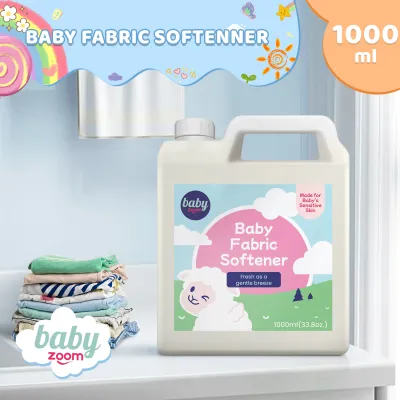
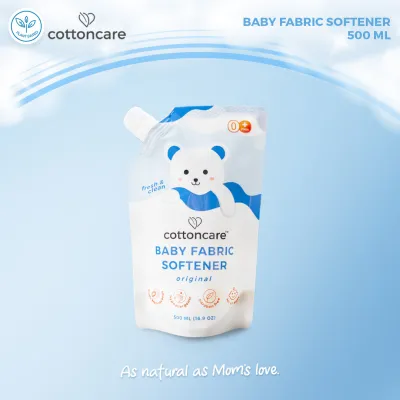
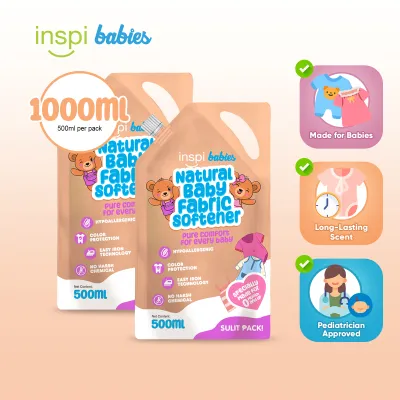
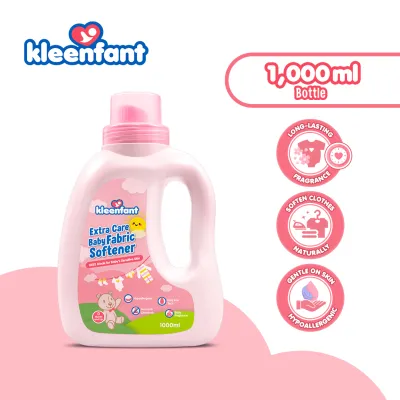
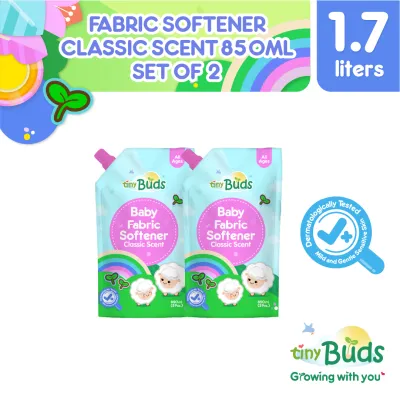
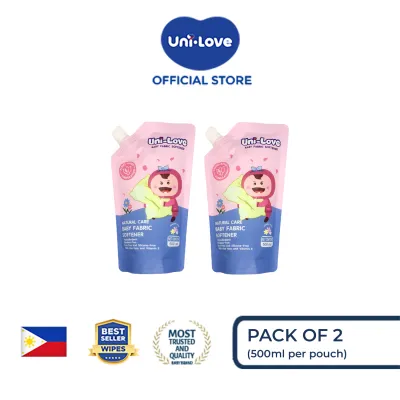
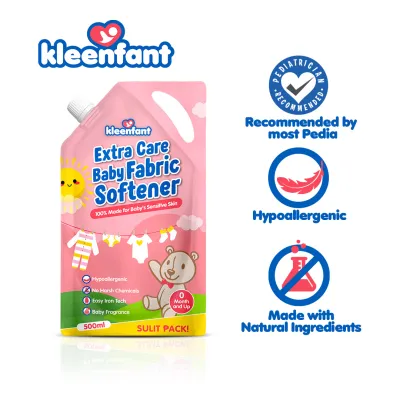
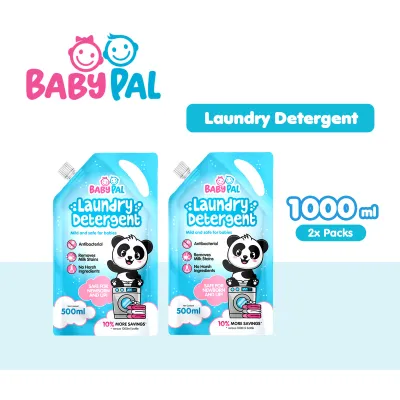
Prices are valid at publication and may change. Please refer to the product page for the latest price.
Parents must also distinguish between marketing buzzwords and actual product safety. A label that proudly displays “baby-formulated” or “gentle” does not automatically mean the product is free from potential irritants. Many baby-specific softeners still contain synthetic fragrances and colorants to make the product more appealing to buyers. On the other hand, terms like “hypoallergenic” or “fragrance-free” carry more weight, but they are still not fully regulated medical guarantees. A truly safe product for a sensitive newborn is one that completely eliminates unnecessary additives, focusing solely on minimal, skin-safe ingredients that leave zero irritating residues behind.
How to Evaluate Baby Fabric Conditioner Labels
Evaluating laundry products requires a careful reading of the ingredient list rather than relying on the front-of-package marketing. When inspecting a baby fabric conditioner, look for a complete disclosure of ingredients. Safe formulas typically utilize plant-based softening agents, such as those derived from coconut or soy, rather than petroleum-based surfactants. Look for certifications from recognized independent dermatological bodies or allergy associations, which indicate that the product has undergone testing to verify its low-irritation potential. However, always cross-reference these certifications by checking the actual ingredient list for hidden irritants.

Be highly skeptical of vague marketing claims. Terms like “natural,” “organic,” and “dermatologist-tested” can be misleading. A product can be labeled “dermatologist-tested” even if the test results showed mild irritation in some subjects, as the term simply means a dermatologist conducted a test, not that they endorsed the product as universally safe. Similarly, “natural-derived” ingredients can still undergo heavy chemical processing or be natural allergens, such as certain essential oils. Lavender, chamomile, and citrus oils are frequently added to baby products for their soothing scents, but they contain natural compounds that can trigger skin irritation on sensitive newborn skin.
To establish a safe framework for your household, start by consulting your pediatrician or a pediatric dermatologist, especially if your baby shows signs of eczema or dry patches. Keep a detailed log of any laundry products used and note any changes in your baby’s skin condition. When evaluating a new fabric conditioner, cross-reference its ingredient list with known skin triggers. If you decide to introduce a new product, perform a patch test first by washing a single item of clothing, such as a small washcloth, and observing your baby’s skin after it comes into direct contact with the fabric for a period of observation.
Safe Laundry Routines for Sensitive and Eczema-Prone Babies
Minimizing the risk of skin irritation goes beyond choosing the right products; it also depends heavily on your washing technique. To prevent the buildup of laundry residues, always use the correct dosage of a mild, fragrance-free liquid detergent. Overusing detergent is a common mistake that leaves soapy residues trapped within fabric fibers, which can be just as irritating as fabric softeners. Implementing an extra rinse cycle is one of the most effective ways to ensure that all traces of detergent and soil are thoroughly flushed out of the garments before they are dried.
If you choose to skip fabric conditioners entirely—which is highly recommended for the first few months of a baby’s life—there are several safe alternatives to keep clothes soft. In the Philippines, where clothes are frequently line-dried under the hot sun, fabrics can sometimes feel stiff and rough. To combat this naturally, you can add a splash of distilled white vinegar to the fabric softener dispenser during the final rinse cycle. Vinegar acts as a natural fabric softener by breaking down mineral deposits from hard water and stripping away excess detergent residue, leaving clothes soft and completely odorless once dry. For those using a clothes dryer, reusable wool dryer balls are an excellent chemical-free option that physically fluffs the fabric as it tumbles.
Special care must be taken when laundering items that have prolonged, direct contact with your baby’s skin, such as cloth diapers, sleepwear, and swaddles. Fabric conditioners should never be used on cloth diapers, as the softening agents coat the fibers and drastically reduce their absorbency, leading to leaks and diaper rash from trapped moisture. Additionally, many infant sleepwear items are treated with flame-resistant coatings, and the chemical film left by fabric softeners can coat these fibers, reducing their flame-resistant properties and making them more flammable. For these critical items, stick to a simple, fragrance-free detergent and a thorough extra-rinse routine to maintain both safety and fabric performance.
Recognizing Skin Reactions and When to Stop Use
Caregivers must remain vigilant in monitoring how a newborn’s skin responds to laundered clothing. Contact dermatitis caused by laundry residues typically presents as localized patches of dry, red, or bumpy skin, particularly in areas where clothing fits snugly or rubs against the body, such as the collarbone, wrists, thighs, and diaper line. You may also notice your baby becoming unusually fussy, scratching at their clothes, or showing signs of discomfort shortly after being dressed in freshly washed garments.
If you suspect a reaction, immediately discontinue the use of the fabric conditioner and any scented detergents. Switch to a strict residue-free laundry routine by washing all of the baby’s clothing, bedding, and towels in plain water according to the garment’s care label or with a verified fragrance-free, hypoallergenic detergent, running an extra rinse cycle to strip away any lingering chemical buildup. Avoid applying heavily scented lotions or oils to the irritated areas, as these can further inflame the compromised skin barrier.
While mild contact dermatitis often resolves quickly after removing the offending product, some situations require professional medical attention. Consult a pediatrician or a pediatric dermatologist if the skin redness spreads, develops open sores, oozes, or shows signs of infection such as warmth and swelling. You should also seek professional advice if the baby’s skin does not improve after several days of using a residue-free laundry routine, or if the irritation is accompanied by a fever or extreme fussiness. Remember that this guide is for informational purposes and should never replace a professional medical diagnosis or personalized treatment plan.
Frequently Asked Questions (FAQ)
Can I use regular adult fabric conditioner if I dilute it?
No, diluting regular adult fabric conditioner does not make it safe for newborn skin. Dilution merely reduces the concentration of the liquid, but the highly irritating synthetic fragrances, strong dyes, and harsh chemical preservatives remain present in the mixture. When the water evaporates during the drying process, these active chemical residues still bind to the clothing fibers and come into direct contact with your baby’s highly permeable skin barrier. To protect a newborn, especially one with sensitive or eczema-prone skin, it is essential to avoid adult laundry products entirely and stick to verified, fragrance-free formulas designed specifically for sensitive skin.
Do I need to wash new baby clothes before using them?
Yes, it is highly recommended to wash all new baby clothes, blankets, and fabric toys before they ever touch your newborn’s skin. During the manufacturing, packaging, and shipping processes, garments are often treated with chemical finishing agents, starches, and anti-mildew preservatives to keep them looking pristine and wrinkle-free on store shelves. These chemical residues, along with accumulated dust and dirt from handling, can easily trigger skin irritation or allergic reactions in a newborn. Wash new items using a gentle, fragrance-free detergent and run an extra rinse cycle to ensure they are completely clean and safe for wear.
Is it safe to use fabric conditioner on baby bedding and sleep sacks?
It is generally best to avoid using fabric conditioners on baby bedding, crib sheets, and sleep sacks. The chemical residues left by softeners can accumulate in the fabric, reducing its breathability and moisture-wicking capabilities, which are critical for helping your baby regulate their body temperature during sleep. Furthermore, these residues can release volatile organic compounds that your baby breathes in continuously throughout the night, potentially irritating their sensitive airways. Always check the manufacturer’s care labels on sleep sacks and bedding, as many brands explicitly warn against using fabric softeners to preserve the safety and integrity of the materials.
Community discussion
Share your experience or ask a question. Comments are reviewed before publication.