
Caring for a baby with sensitive, dry, or itchy skin is one of the most common challenges parents face, especially in warm, tropical climates like the Philippines. The combination of high humidity, intense heat, and sweat can easily irritate an infant’s delicate skin barrier, leading to uncomfortable flare-ups and redness. When searching for a reliable skincare solution, many parents consider aveno excema cream (commonly referred to as Aveeno Baby Eczema Therapy) to help soothe their little one’s skin. However, before applying any new product to an infant’s skin, it is essential to understand its safety profile, active ingredients, and proper application methods.
Quick Answer: Is Aveeno Eczema Cream Safe for Babies?
Aveeno Baby Eczema Therapy Cream is generally formulated to be gentle, hypoallergenic, and suitable for sensitive, eczema-prone infant skin. However, whether it is entirely safe for your specific baby depends on their individual skin profile, age, and potential triggers. Most pediatricians and dermatologists consider high-quality colloidal oatmeal creams safe for infants, but you must always verify the age recommendations on the physical product label before use.
For newborns and very young infants, the skin barrier is exceptionally thin and highly permeable. Because of this, caregivers should always consult a pediatrician or a pediatric dermatologist before introducing any new skincare product, especially if the baby has severe, cracked, or undiagnosed skin conditions. It is also vital to purchase these products from authorized pharmacies or official retail channels in the Philippines to avoid counterfeit formulations, which may contain harmful ingredients or unauthorized preservatives.
Products mentioned in this guide
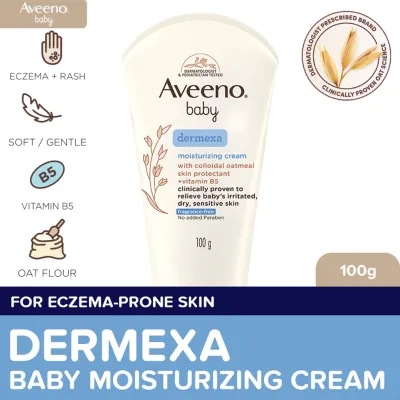
![Aveeno Baby Eczema Therapy Moisturizing Cream 10g / 20g [DECANT]](https://img.lazcdn.com/g/p/c5105905006512df25b9e1a6287d53e8.jpg_400x400q80.jpg_.webp)
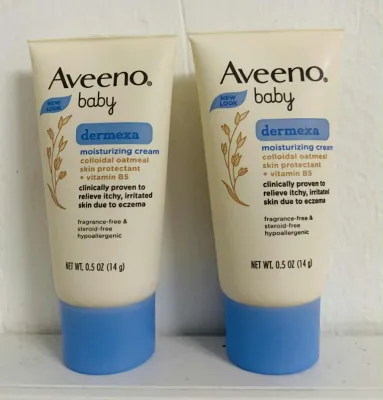
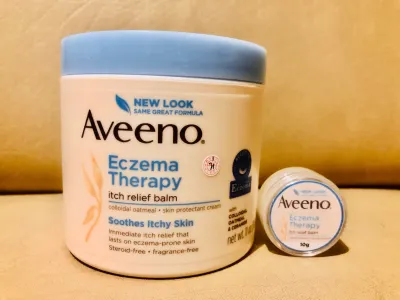
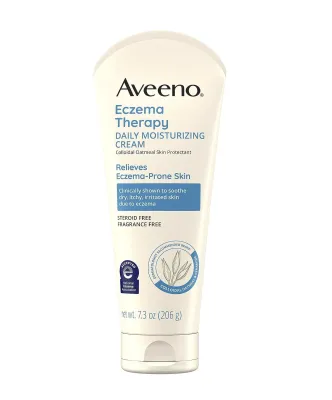
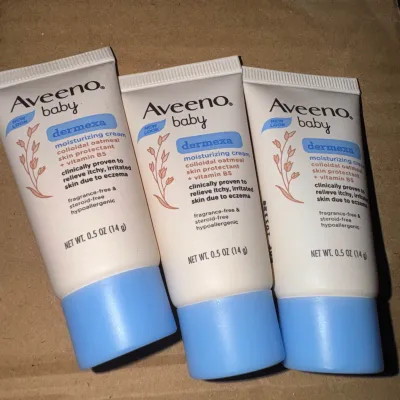
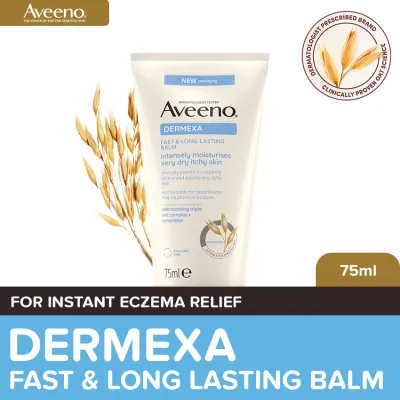
Prices are valid at publication and may change. Please refer to the product page for the latest price.
Key Ingredients and How They Affect Delicate Skin
To determine if a skincare product is appropriate for your baby, you must look closely at its formulation. The effectiveness of Aveeno’s eczema line relies on a few key components designed to mimic and support the skin’s natural protective barrier. Understanding how these ingredients interact with delicate skin helps parents make informed decisions.

Colloidal Oatmeal and Skin Barrier Support
Colloidal oatmeal is the primary active ingredient in this formulation, long valued for its ability to soothe itching and reduce minor skin irritation. When oats are finely ground and suspended in a liquid or cream, they form a protective, hydrophilic barrier over the skin. This barrier helps lock in moisture and shields the skin from external irritants like dust, sweat, and friction from clothing.
While colloidal oatmeal is generally well-tolerated and serves as a cornerstone of pediatric eczema care, it is still an organic ingredient. If your baby has a known sensitivity to oats, wheat, or specific grains, this active ingredient requires close monitoring. In rare cases, highly sensitive babies may react to oat-based formulations, making it crucial to observe the skin closely after the first few applications.
Ceramides and Hydration
Ceramides are lipid molecules naturally found in the skin’s outermost layer, playing a critical role in retaining moisture and keeping the skin barrier intact. Babies suffering from eczema typically have compromised skin barriers that lack sufficient ceramides. This deficiency allows moisture to escape rapidly, leaving the skin dry, flaky, and highly vulnerable to environmental triggers.
By incorporating synthetic or plant-derived ceramides, the cream helps replenish these essential lipids, restoring the skin’s natural moisture-retaining capabilities. In the Philippines, where air conditioning can dry out indoor air and outdoor heat can cause rapid sweat evaporation, maintaining this lipid barrier is vital. Regular application helps keep the skin hydrated and supple, significantly reducing dryness and flakiness between active eczema flare-ups.
Checking for Fragrances and Potential Irritants
When purchasing any baby skincare product, reading the physical ingredient label on the specific tube in your hand is mandatory. Formulations can vary by region, and manufacturers occasionally update their ingredient lists. Parents must verify that the product is explicitly labeled as fragrance-free, paraben-free, steroid-free, and phthalate-free.
Fragrances are among the most common triggers for contact dermatitis and eczema flare-ups in infants. Even “natural” fragrances or essential oils can provoke a reaction on compromised skin. Ensure the product you select does not contain hidden aromatic compounds or harsh preservatives, and always cross-reference the packaging instructions for any specific age limitations or manufacturer warnings.
Potential Side Effects and Risks to Monitor
Even the gentlest, pediatrician-recommended creams carry a minor risk of adverse reactions. Because an infant’s immune system and skin barrier are still developing, parents must remain vigilant when introducing new topical treatments. Recognizing the early signs of a reaction allows you to act quickly and prevent further discomfort.
Oat Allergies and Cross-Reactivity
Although rare, some infants can develop a localized allergy to oats. This is particularly true for babies who have a family history of food allergies, asthma, or allergic rhinitis. Additionally, babies with known sensitivities to wheat or specific grass pollens may experience cross-reactivity when exposed to oat-based skincare products.
If your baby is sensitive to oats, applying the cream can trigger an immediate or delayed allergic response. Caregivers should monitor the application site for observable signs of an allergic reaction. These signs include sudden redness, hives, swelling, or heightened fussiness and scratching immediately after the cream is applied. If any of these symptoms appear, wash the cream off immediately with lukewarm water and discontinue use.
Contact Dermatitis and Formulation Sensitivities
Contact dermatitis can occur when a baby’s skin reacts to non-active ingredients in a cream, such as emulsifiers, thickeners, or mild preservatives. Even preservatives designed for sensitive skin can occasionally cause irritation if the baby’s skin barrier is already severely compromised or cracked.
To identify contact dermatitis, look for new rashes, tiny red bumps, or dry, rough patches that look distinctly different from the baby’s typical eczema flare-ups. If a rash develops in areas where you applied the cream but where eczema was not previously present, it is highly likely a reaction to the product itself. Keeping a detailed log of when you apply the cream and any subsequent skin changes can help your pediatrician identify the exact trigger.
How to Safely Introduce and Apply Aveno Excema Cream
Introducing a new product into your baby’s daily skincare routine requires a cautious, systematic approach. By taking slow, deliberate steps, you can minimize the risk of a widespread skin reaction and ensure the cream provides the maximum possible benefit.
The Essential Patch Test Protocol
Before applying any new moisturizer or treatment to your baby’s face or body, performing a localized patch test is highly recommended. This simple, low-risk step allows you to observe how your baby’s skin reacts to the formulation without exposing their entire body to a potential allergen.
To conduct a patch test, apply a small, pea-sized amount of the cream to a clean, discreet area of healthy skin, such as the inner forearm or behind the ear. Leave the cream on and monitor the area closely for 24 to 48 hours. If you observe any redness, swelling, itching, or tiny bumps during this window, wash the area immediately with mild soap and water, and do not use the product again. If the skin remains clear and calm after 48 hours, you can proceed with wider application.
Best Practices for Application During Flare-Ups
To get the best results from the cream, apply it immediately after bathing while the baby’s skin is still slightly damp. In the Philippines, baths should be kept short—usually five to ten minutes—using lukewarm water, as hot water can strip the skin of its natural oils. Gently pat the baby’s skin with a soft cotton towel, leaving it slightly moist, and immediately apply a thin, even layer of the cream to lock in that moisture.
When applying the cream, use gentle, smooth patting motions rather than rubbing or massaging vigorously, which can friction-heat the skin and aggravate active inflammation. Ensure your hands are washed thoroughly with soap and water before touching the cream or your baby’s skin to prevent introducing bacteria into compromised areas. In hot, humid weather, avoid applying excessively thick layers of cream, as this can trap sweat and lead to heat rash (miliaria) alongside the baby’s eczema.
When to Stop Use and Seek Professional Help
While over-the-counter eczema creams are excellent tools for daily barrier maintenance and symptom management, they are not designed to cure underlying medical conditions or treat active infections. Parents must understand the limits of home care and know when a skin issue requires professional medical intervention.
Stop using the cream immediately and consult a pediatrician or a pediatric dermatologist if you observe any of the following warning signs:
- The rash spreads rapidly across the body or worsens significantly after application.
- The skin begins to ooze yellow fluid, develops honey-colored crusts, or bleeds, which are common indicators of a secondary bacterial infection.
- Your baby develops a fever, swollen lymph nodes, or shows signs of severe discomfort, such as persistent crying or inability to sleep due to itching.
- The eczema does not improve after two weeks of consistent, proper application.
Never attempt to diagnose skin infections or apply prescription-strength steroid creams without a doctor’s explicit guidance. A qualified professional can provide an accurate diagnosis, prescribe targeted treatments like topical anti-inflammatory creams or antibiotics if an infection is present, and help you establish a safe, personalized skincare routine for your baby’s unique needs.
Frequently Asked Questions (FAQ)
Can I use Aveeno eczema cream on my baby's face?
Yes, baby eczema creams are generally formulated to be safe for facial application, but you must check the specific product label to confirm facial suitability. When applying the cream to your baby’s face, use a very small amount and carefully avoid the immediate eye and mouth areas. Monitor the facial skin closely, as it is thinner and more sensitive than the skin on the body, making it more prone to localized irritation or clogged pores.
What is the difference between Aveeno Baby Eczema Therapy and regular Aveeno creams?
Aveeno Baby Eczema Therapy is specifically formulated and clinically tested for infant skin, meaning it is typically free from fragrances, parabens, phthalates, and strong preservatives that might be present in adult versions. Regular adult Aveeno creams may contain added fragrances, essential oils, or chemical compounds that can easily irritate a baby’s delicate, highly permeable skin barrier. Always choose products explicitly labeled for babies, and avoid using adult formulations on infants without consulting a healthcare provider.

Community discussion
Share your experience or ask a question. Comments are reviewed before publication.