
Determining if a specific Aveeno colloidal oatmeal product is safe for your newborn or infant with sensitive skin depends entirely on the exact formulation. While colloidal oatmeal is widely recognized in pediatric skincare for its soothing and moisture-locking properties, not all products bearing the brand name are designed for day-one newborn skin. Parents must carefully verify that their chosen product is explicitly formulated for infants, fragrance-free, and free from potential irritants before introducing it to a baby’s delicate routine.
In tropical climates like the Philippines, where high humidity and heat can easily trigger sweat rashes, heat bumps, and skin fold irritation, maintaining a healthy skin barrier is a daily priority. However, a newborn’s skin is significantly thinner and more permeable than adult skin, meaning it absorbs topical substances more rapidly and reacts more intensely to harsh chemicals. Always consult a pediatrician before attempting to treat persistent rashes or severe dryness, ensuring you have a professional assessment of your baby’s skin health.
Understanding Colloidal Oatmeal for Baby Skin
Colloidal oatmeal is not simply the standard oats found in your kitchen pantry ground down into a powder. It consists of whole oat kernels that have been extremely finely milled and suspended in a liquid, gel, or cream medium. This specialized milling process allows the oat particles to disperse evenly across the skin, creating a fine, protective barrier that helps retain moisture and soothe irritation.
Products mentioned in this guide
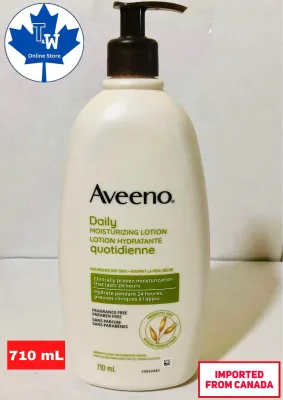
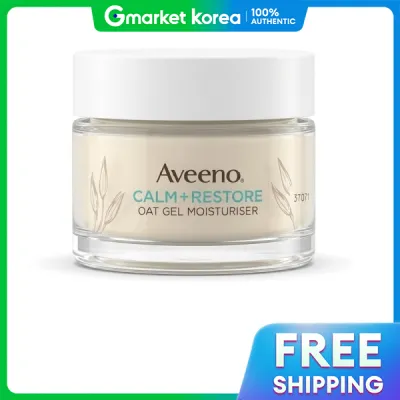
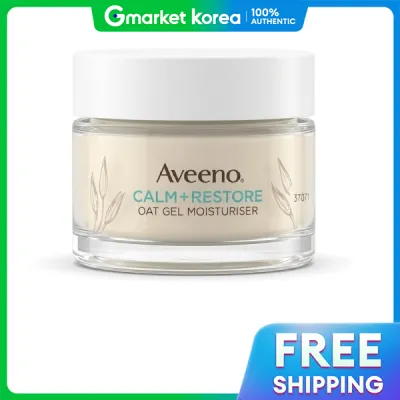
Prices are valid at publication and may change. Please refer to the product page for the latest price.
In pediatric skincare, this natural ingredient is highly valued for its emollient properties. It works by attracting moisture to the skin’s surface and locking it in, which is particularly beneficial for newborns whose skin barriers are still developing and prone to rapid moisture loss. This soothing action can help alleviate the discomfort of dry patches, minor chafing, and environmental irritation.
However, it is essential to distinguish between daily skincare maintenance and medical treatments. While colloidal oatmeal is excellent for supporting skin hydration and soothing mild irritation, it is not a cure for chronic or severe dermatological conditions. It serves as a supportive, protective layer rather than a primary medical intervention.
When selecting a product, the overall purity of the formulation is far more critical than the mere presence of oat extract. A product might contain high-quality colloidal oatmeal but still include synthetic preservatives, alcohols, or masking fragrances that can irritate sensitive infant skin. Parents should focus on the complete ingredient list to ensure the entire formula is gentle enough for a newborn.
How to Check If an Aveeno Product Is Right for Your Newborn
Navigating the baby care aisle can be overwhelming, and assuming every product under a trusted brand is suitable for a newborn is a common oversight. To ensure a specific product is safe for your infant, you must look for precise indicators on the packaging.

Always prioritize products explicitly labeled as “fragrance-free,” “hypoallergenic,” and “suitable for newborns.” For cleansing products like body washes or shampoos, ensure they also carry a “tear-free” designation. Fragrances, including those derived from natural essential oils, are among the most common triggers for contact dermatitis in infants and should be avoided entirely during the first few months of life.
Avoid using adult formulations on your baby under any circumstances. Adult skincare products often contain stronger surfactants, active anti-aging ingredients, and synthetic perfumes designed for mature skin. These harsh components can easily strip a newborn’s delicate skin of its natural oils, leading to severe dryness, redness, and painful irritation.
Additionally, match the specific product line to your baby’s current skin needs. Some variants are designed for daily moisture maintenance, while others are formulated with higher concentrations of emollients for extremely dry or eczema-prone skin. If a product label does not explicitly state it is safe for newborns, or if the ingredient list contains complex chemical additives, it is best to verify its safety with a pediatrician before application.
In warm, humid environments, heavy creams can sometimes trap sweat and clog pores, leading to heat rash. Opting for lightweight lotions for daily use and reserving thicker balms for localized dry patches is a practical approach to managing baby skincare in tropical conditions.
Safe Application and Patch Testing for Sensitive Skin
Before applying any new skincare product to your baby’s entire body, performing a patch test is a vital safety measure. This simple, precautionary step helps you identify potential allergic reactions or localized sensitivities before they cause widespread discomfort.
To conduct a patch test, apply a very small, pea-sized amount of the product to a discreet area of your baby’s skin, such as the inner arm or the side of the neck. Monitor this specific spot closely for 24 hours, looking for any signs of redness, swelling, tiny bumps, or itching. If any reaction occurs, gently wash the area with lukewarm water and discontinue use of the product immediately.
If the patch test yields no adverse reactions, you can safely integrate the product into your baby’s daily routine. The ideal time to apply moisturizers is immediately after a brief, lukewarm bath. Bathing a newborn should only last five to ten minutes, as prolonged exposure to water can strip the skin of its natural moisture. Gently pat the baby’s skin dry with a soft towel, leaving it slightly damp, and immediately apply the lotion to lock in that hydration.
Always ensure your hands are thoroughly washed and clean before applying any product to your baby’s skin to prevent introducing bacteria. Avoid applying creams or lotions to open wounds, broken skin, or active, oozing rashes unless specifically directed by a healthcare professional. Apply only a thin, even layer, as over-applying can clog pores and exacerbate sweat-related skin issues.
When to Stop Use and Consult a Pediatrician
While colloidal oatmeal is generally mild and well-tolerated, every infant’s skin chemistry is unique, and adverse reactions can still occur. Parents must remain vigilant and know exactly when to stop using a product and seek professional medical advice.
Discontinue use immediately if you observe any signs of an adverse reaction. These signs include increased redness, hives, swelling, worsening dryness, flaking, or if your baby shows signs of physical discomfort, such as crying or squirming, during or shortly after application. If a reaction occurs, gently wash the product off the skin using lukewarm water and a clean, soft cloth.
It is crucial to remember that over-the-counter skincare products are designed for cosmetic maintenance and supportive care, not as substitutes for medical treatments. If your baby has a diagnosed skin condition, such as severe eczema or an active infection, you must follow the specific treatment plan prescribed by your pediatrician rather than relying on commercial moisturizers alone.
Contact a healthcare provider immediately if the skin reaction does not improve after washing the product off, if the skin begins to blister, ooze, or bleed, or if your baby develops a fever. Professional guidance ensures your baby receives an accurate diagnosis and a safe, targeted treatment plan.
Frequently Asked Questions (FAQ)
Can I use Aveeno baby wash on my newborn's face?
Yes, but only if the specific wash variant is explicitly labeled as fragrance-free, hypoallergenic, and tear-free. The skin on a newborn’s face is exceptionally delicate and highly sensitive to external irritants. For the first few weeks of life, pediatricians often recommend using only plain, lukewarm water and a soft washcloth to clean your baby’s face. If you choose to use a baby wash, apply a very small amount, avoid the immediate eye area, and rinse the skin thoroughly with clean water.
Does colloidal oatmeal cure baby eczema?
No, colloidal oatmeal does not cure baby eczema. Eczema is a complex, chronic skin condition linked to genetics and immune system responses, and there is currently no permanent cure. However, colloidal oatmeal is highly effective at managing symptoms by soothing dry skin, reducing itchiness, and supporting the skin’s natural moisture barrier. To manage baby eczema safely, parents should work closely with a pediatrician to develop a comprehensive care plan, which may include specific bathing routines, environmental adjustments, and prescribed topical treatments alongside supportive moisturizers.

Community discussion
Share your experience or ask a question. Comments are reviewed before publication.