
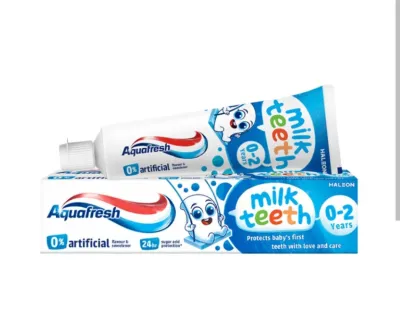
Quick Answer: Is Aquafresh Milk Teeth Safe for Infants?
The safety of any baby oral care product, including Aquafresh Milk Teeth, depends entirely on its specific fluoride concentration, the age of your child, and how the product is administered. While fluoride is highly effective at preventing tooth decay, infants have not yet developed the ability to spit out excess paste. This makes the correct dosage and strict parental supervision absolutely critical.
When used in the recommended, minuscule amounts under direct adult supervision, Aquafresh Milk Teeth is generally considered safe for infants who have begun teething. However, because baby oral care is highly individualized, you must check the product label for specific age recommendations, usage instructions, and manufacturer warnings before introducing it to your baby.
In the Philippines, babies are often introduced to solid foods, purees, and local fruits around six months of age. This transition introduces natural sugars and starches into the mouth, creating an environment where plaque bacteria can thrive. To protect these new teeth safely, parents must balance the protective benefits of fluoride against the potential risks of over-ingestion, ensuring that every brushing session is carefully managed.
Products mentioned in this guide
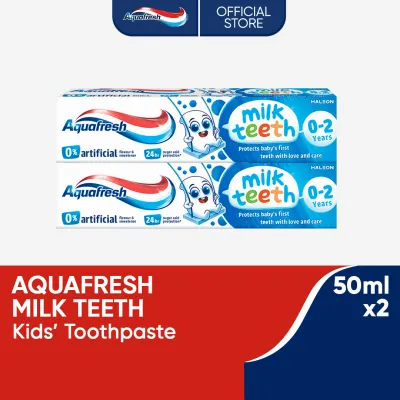
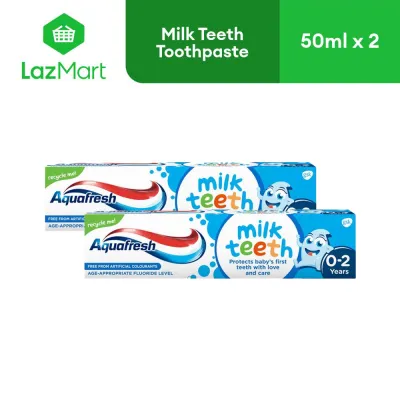
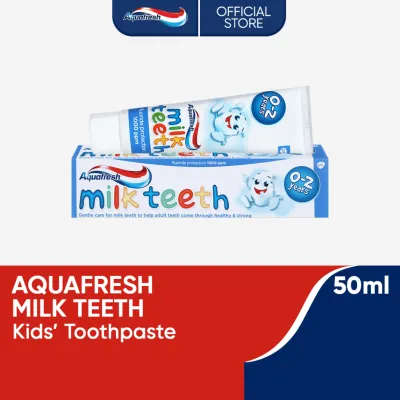
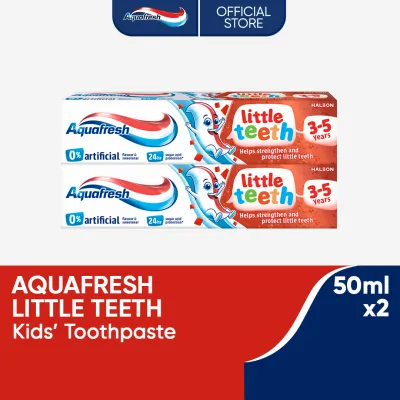
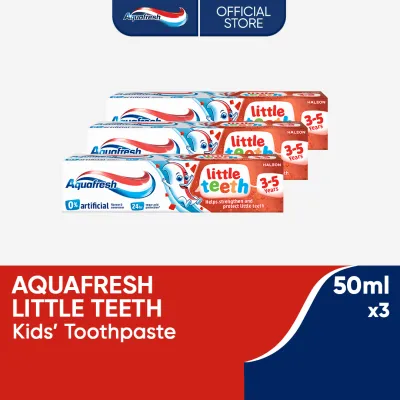
![[BUY 3 GET 1] Buy Aquafresh Little Teeth Toothpaste 50ml x3 (3-5 Years Old) get FREE Aquafresh Little Teeth 50ml](https://img.lazcdn.com/g/p/bf9b43fb2ee02e376db219b0ba6e8557.jpg_400x400q80.jpg_.webp)
Prices are valid at publication and may change. Please refer to the product page for the latest price.
Understanding Fluoride: Benefits and Risks for Babies
Fluoride is a mineral that plays a dual role in infant oral health, acting as both a powerful shield against decay and a substance that requires careful moderation. The primary benefit of fluoride is its ability to strengthen the enamel of developing baby teeth. These first teeth, also known as deciduous teeth, have much thinner and softer enamel than permanent teeth, making them highly vulnerable to rapid decay.

When plaque bacteria consume sugars from milk, formula, or solid foods, they produce acids that strip minerals from the tooth enamel. Topical fluoride works by remineralizing these weak spots, making the enamel more resistant to future acid attacks. This defense is crucial for preventing early childhood caries, a severe form of decay that can cause pain, infection, and the premature loss of baby teeth, which can disrupt the alignment of future permanent teeth.
Despite these benefits, the primary risk associated with fluoride use in infancy is dental fluorosis. This is a cosmetic condition that occurs when a child consistently ingests too much fluoride during the years when their permanent teeth are still developing beneath the gums—specifically before the age of eight. Fluorosis does not cause physical damage or affect the structural integrity of the teeth; instead, it manifests as faint white lines, streaks, or in severe cases, brown spots on the surface of the permanent teeth once they erupt.
Because infants naturally swallow almost everything placed in their mouths, managing their fluoride intake is essential. General pediatric guidelines recommend using a fluoride toothpaste with an appropriate concentration for children under three years old, but with strict dosage control. Many international and local dental associations advise using a toothpaste containing around 1000 ppm (parts per million) fluoride as soon as the first tooth erupts, provided the amount used is extremely small. This approach balances the need for cavity protection with the prevention of fluorosis, making careful supervision and precise application essential for parents.
Evaluating Aquafresh Milk Teeth: What to Check on the Label
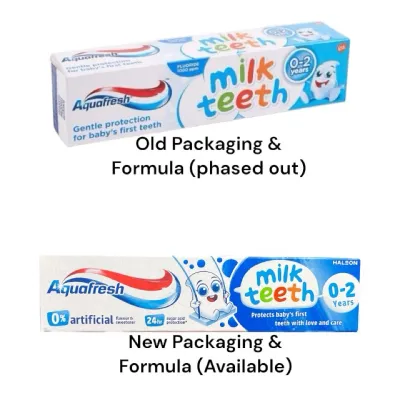
To determine if Aquafresh Milk Teeth is the right choice for your baby, you must carefully evaluate the information printed on the product packaging. Start by locating the exact fluoride concentration, which is typically measured in parts per million (ppm) and printed on the back of the tube or the outer box. For infants and toddlers, dental professionals generally recommend a concentration of 1000 ppm fluoride. Always check the packaging of the specific tube you purchase, as formulations can vary by region or undergo updates over time.
Beyond fluoride, it is important to examine the other ingredients listed on the label. Look for gentle abrasives, such as hydrated silica, which help clean plaque from tiny teeth without scratching the delicate enamel. The formulation should also feature mild flavorings. While adult toothpastes often contain strong mint that can be overwhelming or irritating to a baby, infant toothpastes typically use very mild, slightly sweet flavors to make brushing a positive experience without encouraging the child to swallow the paste like candy.
Another critical factor to consider is the presence of foaming agents, such as sodium lauryl sulfate (SLS). Some babies have highly sensitive oral mucosa, and SLS can occasionally cause mild irritation or mouth sores. If your baby is prone to oral sensitivity, look for low-foaming or SLS-free formulations. Finally, always check the packaging for age-specific manufacturer warnings, usage instructions, and expiration dates. In the warm, humid climate of the Philippines, storing toothpaste in a cool, dry place out of direct sunlight is vital to maintain its consistency and prevent the separation of ingredients.
Safe Brushing Practices: Managing the Swallowing Reflex
Teaching a baby to brush their teeth requires patience, especially since infants cannot spit out toothpaste. To manage the swallowing reflex safely, parents must adhere to the “smear” or “rice-grain” sizing rule. For children under three years old, apply a tiny smear of toothpaste to the brush—no larger than a single grain of uncooked rice. This minuscule amount provides enough fluoride to protect the teeth while remaining safe even if the baby swallows the entire portion.
Active parental involvement is non-negotiable during this developmental stage. Do not let your baby hold the toothbrush unsupervised or apply the toothpaste themselves. To brush your baby’s teeth effectively, sit or cradle them in a comfortable, well-lit position where you can clearly see their mouth. Use a soft-bristled infant toothbrush designed for their small mouth, and gently brush all surfaces of the teeth using light, circular motions twice a day.
Since infants cannot rinse and spit, you must take extra steps to manage the excess foam. After brushing, gently wipe away any remaining toothpaste from your baby’s teeth and gums using a clean, damp cloth, a piece of sterile gauze, or a soft infant washcloth wrapped around your finger. This simple action further reduces the amount of fluoride swallowed. Additionally, ensure the toothpaste tube is tightly capped and stored safely out of your child’s reach to prevent accidental ingestion.
When to Consult a Pediatric Dentist About Toothpaste
While home care is essential, professional guidance is invaluable for establishing a lifetime of good oral health. You should consult a pediatric dentist by your baby’s first birthday or within six months of their first tooth erupting. This early visit allows the dentist to assess your baby’s specific cavity risk, evaluate their oral development, and provide personalized recommendations regarding fluoride use and toothpaste selection.
Certain scenarios require immediate professional input. If your family has a history of severe early childhood caries, or if your baby shows any signs of tooth discoloration or sensitivity, schedule an appointment promptly. Additionally, if you live in an area with highly fluoridated municipal tap water, or if your family primarily consumes water with varying fluoride levels, a dentist can help you determine if your child is receiving the correct balance of systemic and topical fluoride.
If your baby accidentally ingests a large amount of toothpaste—such as eating directly from an unattended tube—seek medical advice immediately. While the tiny amount used during daily brushing is safe, consuming a large quantity of fluoride toothpaste can cause stomach upset, nausea, or more severe complications. A pediatric dentist or medical professional can guide you on the necessary steps to take based on your baby’s weight and the estimated amount consumed.
Frequently Asked Questions (FAQ)
At what age can babies start using fluoride toothpaste?
Most pediatric dental guidelines recommend starting a tiny smear of fluoride toothpaste as soon as the first baby tooth erupts, which typically occurs around six months of age. However, parents should always check the age recommendations and safety warnings on the specific product packaging, as some formulations are designed for older toddlers. Consulting a pediatric dentist before introducing fluoride toothpaste ensures the approach aligns with your baby’s unique oral development and local water fluoridation levels.
What should I do if my baby swallows a large amount of toothpaste?
If your baby consumes a significant amount of toothpaste directly from the tube, act quickly but stay calm. Give your child a small glass of milk or a dairy product like yogurt, as the calcium binds to the fluoride in the stomach and helps reduce its absorption. Monitor your child closely for symptoms like nausea, vomiting, or abdominal pain. Contact a local poison control center, your pediatrician, or seek emergency medical care immediately, bringing the toothpaste tube with you so medical staff can verify the exact fluoride concentration.

Community discussion
Share your experience or ask a question. Comments are reviewed before publication.