
Yes, certain Aqua Fresh toothpaste variants can be safe for your child’s milk teeth, but safety is not a blanket guarantee across the entire brand. Whether a specific tube is safe depends entirely on the product variant, your child’s age, and their ability to spit out the paste after brushing. Parents must carefully inspect the packaging of any Aqua Fresh product to ensure the fluoride concentration and formulation match their child’s developmental stage.
In the tropical climate of the Philippines, where sweet snacks, local fruits, and sugary drinks are common treats, protecting primary teeth (milk teeth) from decay is a high priority for parents. However, because young children often swallow toothpaste rather than spitting it out, choosing the wrong variant can lead to issues like dental fluorosis. Understanding how to read labels and manage brushing habits is key to keeping your child’s smile healthy and safe.
Evaluating Fluoride Levels and Ingredient Safety
Fluoride is a double-edged sword for developing milk teeth. On one hand, it is highly effective at strengthening tooth enamel and preventing dental caries (cavities), which can progress rapidly in young children. On the other hand, excess fluoride ingestion during the critical years of tooth development can lead to dental fluorosis. This condition causes permanent cosmetic changes to the adult teeth developing beneath the gums, ranging from mild white streaks to more noticeable discoloration.
Products mentioned in this guide
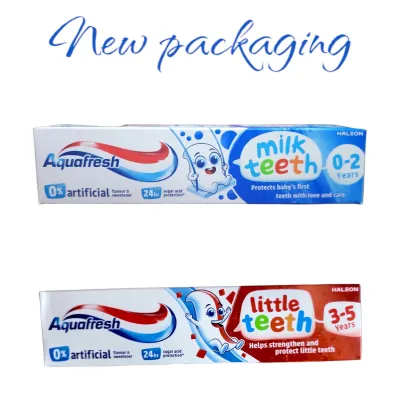
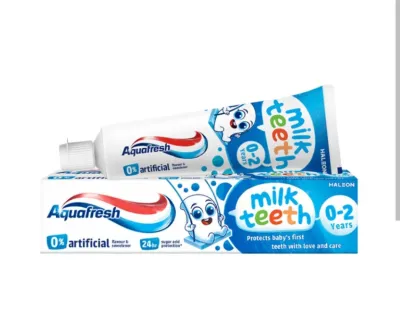
Prices are valid at publication and may change. Please refer to the product page for the latest price.
To find the right balance, parents must look past the front of the box and examine the active ingredients list on the back or side of the packaging. Fluoride concentration is typically measured in parts per million (ppm). For very young children, pediatric guidelines often recommend lower concentrations, while older children who can reliably spit can transition to standard levels. When holding an Aqua Fresh box, locate the “Active Ingredient” section to verify the exact ppm of fluoride.
In addition to fluoride levels, check the packaging for specific ingredient warnings or contraindications. Some formulations contain stronger abrasives, foaming agents like sodium lauryl sulfate (SLS), or intense flavoring agents that might irritate a young child’s sensitive mouth or encourage them to swallow the paste because it tastes like candy.
Relying solely on brand familiarity is a common pitfall. Just because a household has trusted a specific brand for adult oral care does not mean every product under that label is safe for a toddler. Always match the specific tube in your hand to your child’s current age and physical capabilities, particularly their ability to control their swallowing reflex.
Decoding Age Labels and Product Variants
Toothpaste manufacturers design different formulations to align with specific developmental milestones. Training toothpastes are often formulated for infants and toddlers who have not yet learned how to spit. These variants are frequently fluoride-free or contain very low levels of fluoride, making them safer if swallowed in small quantities during the learning phase.

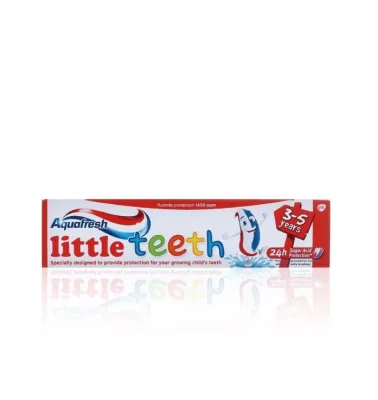
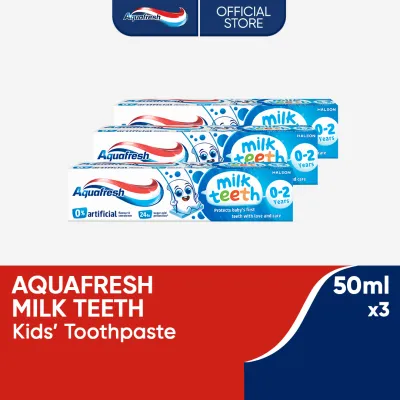
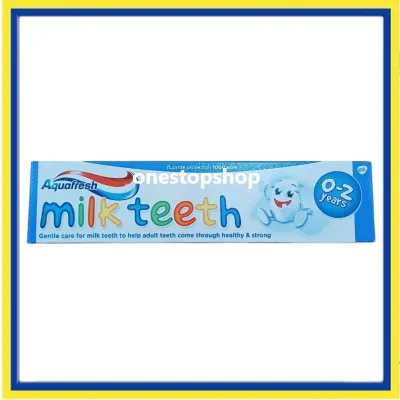
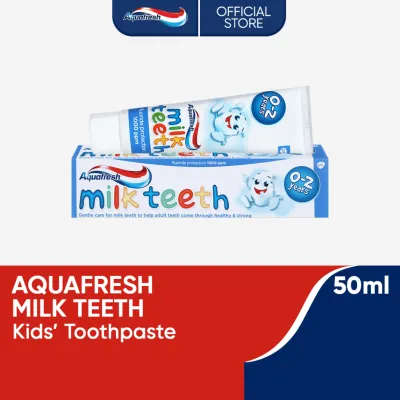
As children grow and develop the muscle control needed to spit out excess foam, they can transition to standard children’s toothpastes. These products contain a controlled amount of fluoride sufficient to protect milk teeth while remaining mild enough for young mouths. Parents should look for explicit age brackets printed clearly on the front of Aqua Fresh packaging, such as “0-2 years” or “3-5 years,” which serve as a primary guide for selection.
It is crucial to avoid using adult or older-child formulations for infants and toddlers. Adult toothpastes are formulated for mature enamel and often contain higher levels of fluoride, stronger whitening agents, and highly abrasive silica particles designed to scrub away stubborn stains. These ingredients can wear down the relatively thin and delicate enamel of milk teeth and pose a significant risk of fluoride overexposure if swallowed regularly.
Before making a purchase at your local supermarket or pharmacy in the Philippines, take a moment to read the manufacturer’s usage instructions. These guidelines will specify whether the product is intended for supervised use, the recommended frequency of brushing, and any age-specific restrictions that ensure the paste is used safely.
Safe Brushing Techniques and Swallowing Precautions
Even with the correct age-appropriate toothpaste, the safety of your child’s brushing routine depends heavily on how the product is applied and supervised. Controlling the portion size is the most effective way to limit accidental fluoride ingestion. For infants and toddlers under the age of three, or those who cannot yet spit, a tiny smear of toothpaste—no larger than a single grain of rice—is sufficient to clean the teeth safely.
Once a child reaches the age of three and has demonstrated the ability to spit out the paste consistently, parents can increase the portion to a pea-sized amount. This small quantity provides enough active ingredients to protect the teeth without presenting a hazard if a small portion is accidentally swallowed.
Active parental supervision is non-negotiable during these early years. Young children lack the manual dexterity to brush effectively on their own, and they are often tempted to swallow the sweet-tasting paste. Parents should apply the toothpaste to the brush themselves, keep the tube out of the child’s reach, and guide the brushing process to ensure the child spits out the residue rather than swallowing it.
If your child accidentally ingests a larger-than-normal amount of fluoridated toothpaste—such as squeezing and eating from the tube—it is important to remain calm and take immediate, low-risk first-aid steps. Offer the child a small glass of milk or water. The calcium in milk binds with fluoride in the stomach, helping to reduce its absorption and minimize stomach upset.
Monitor your child closely for symptoms like nausea, vomiting, or abdominal pain. If you suspect they have consumed a significant amount of toothpaste relative to their body weight, contact a local poison control center or seek immediate medical assistance at a nearby healthcare facility. Keep the toothpaste packaging on hand so you can provide medical professionals with the exact fluoride concentration and ingredients.
When to Seek Professional Dental Guidance
While product labels and general guidelines provide an excellent starting point, they cannot replace the personalized advice of a qualified pediatric dentist. Dental professionals recommend scheduling your child’s first dental visit as soon as their first milk tooth erupts, or by their first birthday at the latest. This early introduction helps establish a dental home and allows the dentist to monitor early oral development.
During these visits, a pediatric dentist can assess your child’s specific fluoride needs. This assessment takes into account several individual factors, including your child’s daily diet, oral hygiene habits, and the fluoride levels in your local water supply. In some areas of the Philippines, tap water may be fluoridated, while in others, families rely on bottled or purified water, which changes the overall amount of fluoride a child receives daily.
Parents should also watch for early warning signs of dental issues that require prompt professional evaluation. If you notice chalky white spots, dull patches, or yellowish-brown discoloration on your child’s milk teeth, schedule an appointment immediately. These signs can indicate early enamel demineralization or the onset of baby bottle tooth decay, which requires professional intervention to prevent further damage.
Frequently Asked Questions (FAQ)
Can I use adult Aqua Fresh toothpaste for my toddler?
No, you should not use adult Aqua Fresh toothpaste for your toddler. Adult formulations contain significantly higher concentrations of fluoride and stronger abrasives that are not suitable for the delicate enamel of milk teeth. Because toddlers frequently swallow toothpaste during brushing, using an adult variant increases the risk of dental fluorosis and stomach irritation. Always choose a product specifically formulated and labeled for your child’s age group.
What should I do if my child swallows a large amount of toothpaste?
If your child swallows a large amount of fluoridated toothpaste, immediately give them a small glass of milk or water to help dilute the fluoride and bind it in the stomach. Monitor them for signs of stomach discomfort, nausea, or vomiting. If they have consumed a substantial amount, contact a local poison control center or seek professional medical care immediately, bringing the toothpaste tube with you for reference.
At what age should my child start using fluoride toothpaste?
Pediatric dental organizations generally recommend introducing a tiny smear of fluoride toothpaste (the size of a grain of rice) as soon as the first milk tooth erupts. However, because individual cavity risks and swallowing abilities vary, it is highly recommended to consult a pediatric dentist to confirm the safest timeline and fluoride concentration for your child’s specific needs.

Community discussion
Share your experience or ask a question. Comments are reviewed before publication.