
Appebon with Iron kids syrup is generally safe for children when administered strictly according to the manufacturer’s packaging instructions or under the direct guidance of a licensed pediatrician. While this dietary supplement is widely used to address nutritional gaps and support appetite, its safety is highly conditional on correct dosing, the child’s age, and their individual health profile.
No vitamin or mineral supplement can replace a diverse, balanced diet. Before starting your child on any iron-containing preparation, a professional medical evaluation is essential to confirm whether an actual iron deficiency exists. Administering iron to a child who does not require it can lead to systemic accumulation, making professional diagnostic confirmation a vital first step.
Every child’s body responds differently to dietary supplements. To ensure safe usage, parents must carefully read the specific product label, adhere to age-appropriate guidelines, and monitor their child for any unusual physical reactions.
Products mentioned in this guide
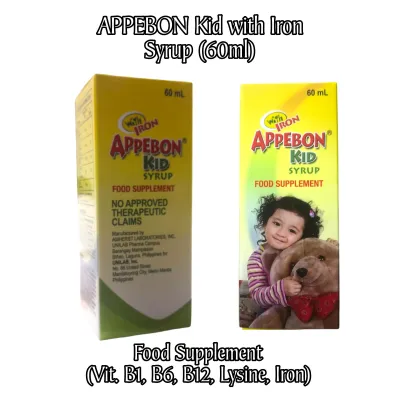
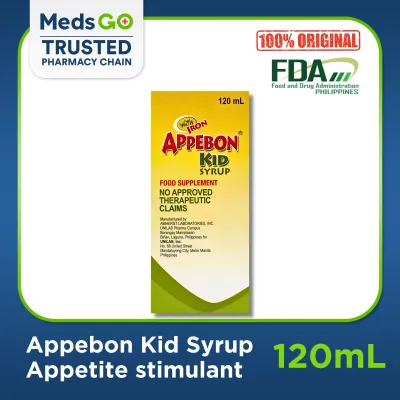
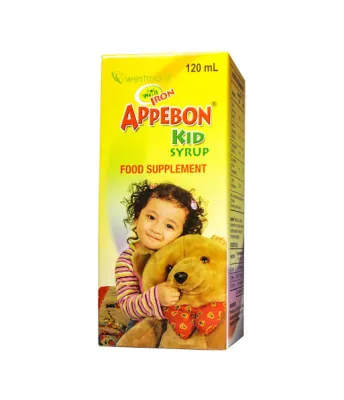
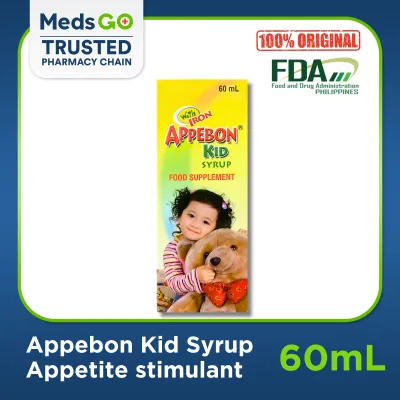

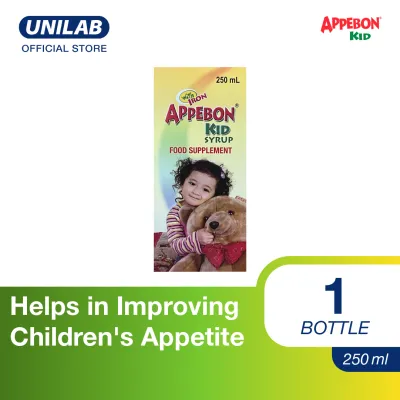
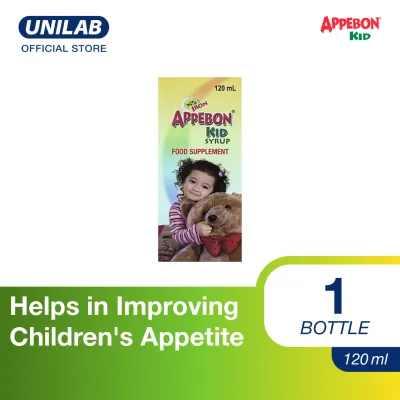
Prices are valid at publication and may change. Please refer to the product page for the latest price.
Key Ingredients and Their Role in Child Development
To evaluate whether this supplement is appropriate for your child, it is helpful to understand the physiological roles of its primary active components. Appebon with Iron typically combines essential micronutrients with amino acids to support metabolic processes and overall vitality.
- Iron (as Ferrous Sulfate or other stable forms): Iron is a critical mineral required for the synthesis of hemoglobin, the protein in red blood cells responsible for transporting oxygen from the lungs to the rest of the body. Adequate iron levels are vital for cognitive development, energy production, and the prevention of iron-deficiency anemia, which can cause fatigue and developmental delays in growing children.
- Lysine Hydrochloride: Lysine is an essential amino acid, meaning the human body cannot synthesize it and must obtain it through diet. It plays a key role in protein synthesis, tissue repair, and collagen formation. In pediatric supplements, lysine is frequently included to support healthy growth patterns and assist in stimulating a healthy appetite in children experiencing temporary dietary gaps.
- B-Complex Vitamins (such as B1, B6, and B12): These water-soluble vitamins act as crucial coenzymes in cellular metabolism. Vitamin B1 (Thiamine) helps convert carbohydrates into usable energy, Vitamin B6 (Pyridoxine) supports brain development and immune function, and Vitamin B12 (Cyanocobalamin) is essential for neurological health and red blood cell formation.
Because product formulations, concentrations, and ingredient sources can change over time, always verify the exact ingredient list on the physical box or bottle in your possession before administration. Do not assume that all pediatric syrups sharing similar names contain identical ingredient ratios.
Potential Side Effects of Iron and Vitamin Syrups
While pediatric nutritional syrups are formulated for safety, the introduction of concentrated iron and vitamins can sometimes cause physiological changes. These reactions range from minor, expected digestive adjustments to serious symptoms requiring urgent clinical intervention.

Common and Mild Reactions
Many children experience mild, temporary side effects when starting an iron supplement. These reactions are typically harmless and resolve as the child’s digestive system adapts to the preparation.
- Dark or Black Stools: This is the most common and completely harmless side effect of oral iron supplementation. It occurs because the child's body does not absorb 100 percent of the ingested iron, and the unabsorbed portion is excreted through the digestive tract, darkening the feces.
- Mild Gastrointestinal Discomfort: Some children may experience slight stomach cramps, mild nausea, or temporary changes in bowel habits, such as mild constipation or loose stools. Giving the supplement with a small amount of food can sometimes ease these digestive issues, though you should check the product label first to see if food affects absorption.
- Temporary Tooth Staining: Liquid iron preparations can occasionally leave dark, superficial stains on a child's teeth. This occurs when the liquid directly contacts the tooth enamel during swallowing.
To minimize the risk of tooth staining, you can dilute the daily dose in a small glass of water or fruit juice, provided the product label permits dilution. Having your child drink the mixture through a straw and brushing their teeth immediately after administration are also highly effective ways to keep their enamel clean.
Signs That Require Immediate Medical Attention
Some physical responses indicate a severe adverse reaction, an underlying allergy, or acute iron toxicity. If your child exhibits any of the following symptoms, stop administering the syrup immediately and seek emergency medical care:
- Severe digestive distress: Persistent, violent vomiting, severe abdominal pain, or blood-streaked or tarry black stools accompanied by pain.
- Systemic allergic reactions: Sudden onset of hives, unexplained skin rashes, swelling of the face, lips, tongue, or throat, or difficulty breathing or swallowing.
- Neurological and physical depression: Extreme lethargy, unusual drowsiness, cold or clammy skin, weak pulse, or confusion.
Acute iron overdose is a life-threatening medical emergency in pediatric patients. Never attempt to treat these severe symptoms at home with home remedies or by waiting for them to pass.
Age Restrictions, Dosage, and Overdose Risks
Pediatric supplements require meticulous dosing protocols. Because children’s organs are still developing, their capacity to process and excrete concentrated minerals is significantly lower than that of adults.
Always determine the correct dosage based on your child’s current weight and age, prioritizing the specific instructions provided by your pediatrician or the product’s official packaging. Never estimate the dosage or rely on memory, as even small deviations can lead to under-dosing or dangerous over-dosing.
Avoid using standard household kitchen spoons to measure the syrup. Kitchen spoons vary widely in volume and can easily lead to dosing errors. Instead, use only the calibrated measuring syringe, dropper, or medicine cup packaged with the specific bottle you purchased.
Store the bottle in a secure, locked cabinet that is completely out of your child’s reach and sight. Pediatric iron syrups are often formulated with sweet fruit flavors to mask the naturally metallic taste of iron, making them highly appealing to young children who may mistake the bottle for candy or juice if left unattended.
As a general safety rule, do not administer iron-containing syrups to infants under one year of age unless a pediatrician has explicitly diagnosed a deficiency, calculated a precise weight-based dosage, and provided direct clinical supervision.
Food and Drug Interactions to Consider
How and when you administer an iron supplement can significantly impact how well your child’s body absorbs the nutrients, as well as how the supplement interacts with other substances in their system.
- Calcium and Dairy Products: Calcium is a known inhibitor of non-heme iron absorption. Giving the syrup alongside milk, cheese, yogurt, or calcium-fortified beverages can drastically reduce the amount of iron your child's body successfully absorbs.
- Antacids and Medications: Certain medications, particularly antacids or acid-reducing therapies, alter stomach acidity and impair iron absorption.
- Vitamin C (Ascorbic Acid): Conversely, vitamin C enhances the absorption of iron. Administering the syrup with a small amount of a vitamin C-rich fruit juice, such as orange or calamansi juice, can help optimize iron uptake, provided this practice aligns with the manufacturer's guidelines.
To prevent unwanted interactions, maintain a window of at least two hours between administering the iron syrup and serving dairy products or other medications. Always provide your pediatrician with a complete list of all medications, over-the-counter drugs, and other dietary supplements your child is currently taking.
When to Stop Use and Consult a Pediatrician
Supplementation should always be a temporary, targeted intervention rather than a permanent dietary fixture. Knowing when to pause or discontinue the supplement is critical to preventing long-term complications such as iron overload.
Stop administering the syrup and schedule a consultation with your pediatrician if your child develops persistent stomach pain, chronic constipation that does not improve with dietary adjustments, or any signs of a localized allergic reaction. You should also consult your doctor if your child’s eating habits have successfully improved, as they may now be obtaining sufficient iron and vitamins directly from their daily meals.
Long-term use of any iron supplement should only occur under regular medical monitoring. Your pediatrician may recommend periodic blood tests to assess your child’s ferritin and hemoglobin levels, ensuring the supplement is stopped as soon as healthy nutritional baselines are restored.
Frequently Asked Questions (FAQ)
Can I give Appebon with Iron to my baby under 1 year old?
No, you should not give this syrup to an infant under one year of age without a direct prescription and precise dosage calculation from a pediatrician. Infants have highly sensitive nutritional requirements and much lower thresholds for iron toxicity, making unsupervised supplementation unsafe.
Does iron syrup cause constipation in children?
Yes, constipation is a well-documented side effect of oral iron supplementation in children. To help manage this, ensure your child drinks plenty of water throughout the day and consumes fiber-rich foods, and consult your pediatrician if the constipation becomes severe or painful.
What should I do if my child accidentally takes too much?
Treat any suspected accidental ingestion or overdose of iron syrup as an immediate medical emergency. Do not wait for symptoms to appear; contact your local poison control hotline or take your child to the nearest emergency room immediately, making sure to bring the product bottle with you.
Community discussion
Share your experience or ask a question. Comments are reviewed before publication.