
Appebon with Iron can be safe and beneficial for children, but its safety profile depends entirely on proper administration, individual health needs, and professional medical guidance. Because iron is a potent mineral that accumulates in the body, this supplement should never be treated as a casual daily multivitamin. Ensuring your child’s safety requires a clear understanding of the product’s ingredients, strict adherence to weight- or age-appropriate dosages, and vigilant monitoring for potential side effects.
In tropical regions like the Philippines, where warm weather can sometimes affect a child’s daily appetite, parents frequently look for nutritional interventions to support growth. However, introducing a targeted iron and vitamin supplement must always be approached with care. By verifying the product’s specific pediatric formulation and consulting with a healthcare professional, you can safely address your child’s nutritional gaps without the risk of accidental nutrient overload.
Understanding Appebon with Iron and Its Purpose
Before introducing any new supplement to your child’s daily routine, it is essential to understand what the product contains and why it has been recommended. Appebon with Iron is formulated to address specific nutritional deficiencies, particularly iron-deficiency anemia, and to help support a healthy appetite in growing children. To ensure you are using the product correctly, always start by carefully reading the active ingredients listed on the manufacturer’s packaging.
Products mentioned in this guide
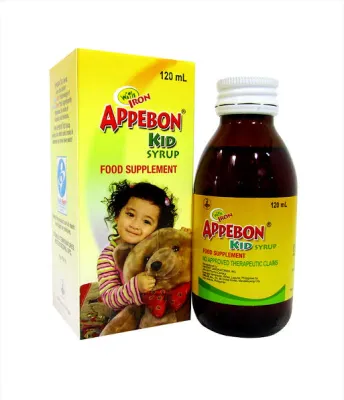
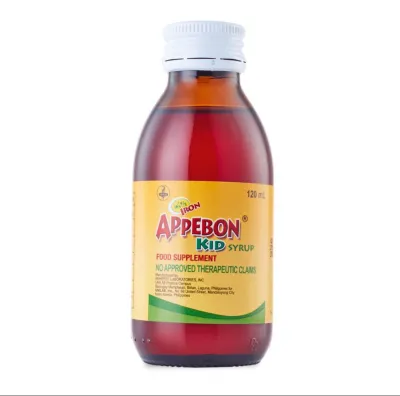
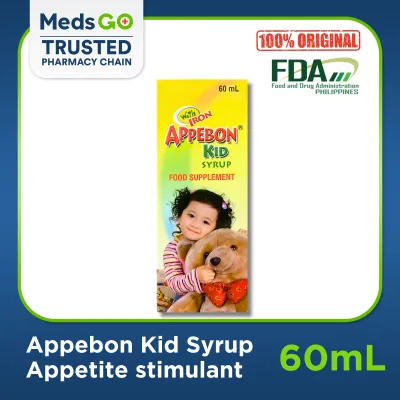
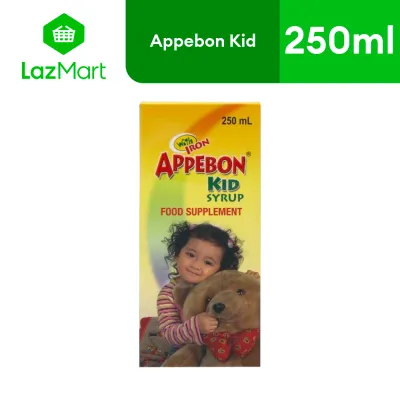
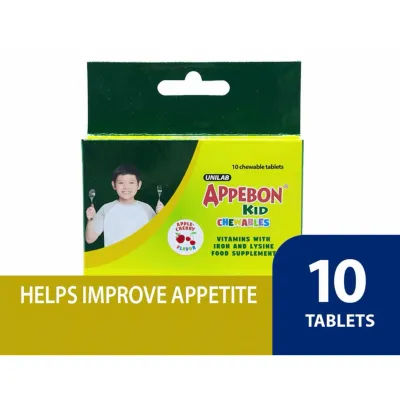
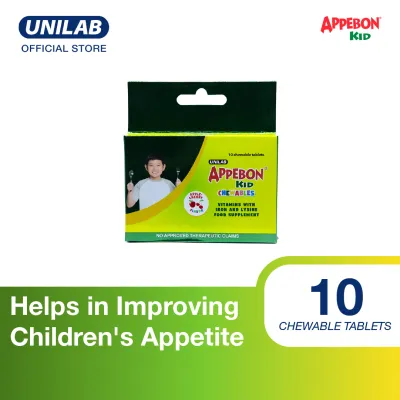
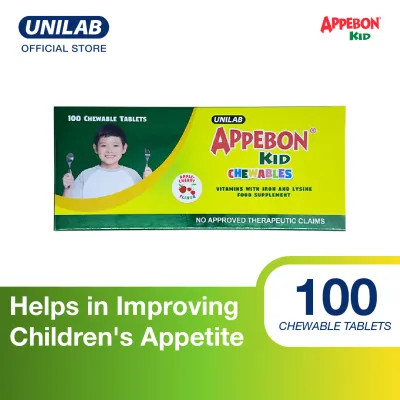
Prices are valid at publication and may change. Please refer to the product page for the latest price.
The formulation typically combines key nutrients designed to work synergistically. Lysine, an essential amino acid, is often included to help support appetite and healthy growth, as the human body cannot synthesize this compound on its own. B-complex vitamins, such as vitamins B1, B6, and B12, are included to assist in energy metabolism, helping your child’s body convert food into usable energy. The addition of iron is critical, as this mineral is a fundamental component of hemoglobin, the protein in red blood cells responsible for carrying oxygen throughout the body.
Parents must verify that the specific bottle they purchase is explicitly formulated and concentrated for pediatric use. Pediatric supplements are available in different concentrations, such as infant drops for very young babies and syrups for older children. Administering an adult formulation or the wrong pediatric concentration to a child can lead to severe, rapid-onset toxicity. Always check the age and weight recommendations printed on the box to confirm the product matches your child’s developmental stage.
It is also vital to distinguish between a general daily multivitamin and a targeted therapeutic supplement like Appebon with Iron. Standard multivitamins contain a broad spectrum of vitamins and minerals at low, maintenance levels. In contrast, supplements containing therapeutic levels of iron are designed to correct specific deficiencies. If your child is already taking another daily multivitamin, adding an iron-specific supplement without medical supervision can lead to dangerous nutrient duplication, particularly of iron and fat-soluble vitamins, which can accumulate to toxic levels in your child’s organs.
Safety Profile and Potential Side Effects
While Appebon with Iron is generally well-tolerated when administered according to professional guidelines, no supplement is entirely free of potential side effects. Understanding what reactions to expect allows you to monitor your child’s health objectively and respond appropriately if any adverse symptoms arise.

The most common side effects associated with pediatric iron supplements are mild and primarily affect the digestive system. You will likely observe a noticeable darkening of your child’s stool, which may appear dark green or black. This is a completely harmless and expected reaction caused by unabsorbed iron passing naturally through the gastrointestinal tract. Other mild, temporary side effects can include a metallic taste in the mouth, mild stomach discomfort, or slight nausea shortly after taking the supplement.
However, parents must be able to distinguish these mild, expected changes from severe allergic reactions or signs of acute iron toxicity. An allergic reaction is rare but serious, manifesting as hives, skin rashes, swelling of the face, lips, or throat, or sudden difficulty breathing. Iron toxicity, on the other hand, is a life-threatening medical emergency that occurs when a child ingests more iron than their body can safely process. Early signs of iron overload include severe and persistent vomiting (which may contain blood), intense abdominal pain, watery or bloody diarrhea, extreme lethargy, cold or clammy skin, and a rapid, weak pulse.
To protect your child’s health, establish clear stop-use conditions before starting the supplement. If you observe any signs of an allergic reaction or suspect your child has ingested an excessive amount of iron, stop administering the product immediately and seek emergency medical care at the nearest hospital. For persistent but mild side effects, such as ongoing stomach aches or severe changes in bowel habits, pause the supplement and consult your pediatrician to discuss adjusting the dose or switching to an alternative formulation.
Determining the Proper Dosage for Your Child
Finding and maintaining the correct dosage is the most critical factor in ensuring that Appebon with Iron remains safe for your child. Because pediatric dosages are highly sensitive and depend on a child’s rapid physical development, parents must never estimate or guess the correct amount to administer.
Always prioritize the manufacturer’s label instructions, which typically categorize dosages based on specific age or weight brackets. To ensure accuracy, never use standard household kitchen spoons, as their volumes vary widely and can easily lead to under- or over-dosing. Instead, always use the calibrated dropper, syringe, or measuring cup provided in the product’s original packaging. Clean the measuring tool thoroughly after each use to maintain hygiene and prevent contamination.
While the product packaging provides general guidelines, your child’s dosage should ideally be individualized and verified by a pediatrician. A doctor will evaluate your child’s specific dietary habits, overall health, and blood test results to determine the exact amount of iron required. For example, a child diagnosed with clinical iron-deficiency anemia will require a different therapeutic dose and treatment duration compared to a child who simply needs temporary nutritional support during a phase of picky eating. If your child has underlying health conditions, such as kidney issues or blood disorders, professional medical supervision is mandatory.
Exceeding the recommended daily allowance of iron poses severe health risks. Because the human body has no active physiological mechanism to excrete excess iron, the mineral accumulates over time in vital organs, including the liver, heart, and pancreas. Chronic over-dosing can lead to progressive organ damage and systemic health complications. Strictly adhere to the prescribed or labeled dose, and never increase the amount in an attempt to accelerate your child’s appetite or growth.
Essential Precautions and Storage Guidelines
Proper management of pediatric supplements extends beyond administration; it also involves safe storage and a thorough understanding of potential product interactions within the home. Taking proactive precautions can prevent accidental ingestion and preserve the quality of the supplement.
Accidental iron poisoning is a leading cause of pediatric poisoning emergencies worldwide. Because liquid pediatric supplements are often formulated with sweet flavorings to make them palatable to children, a curious toddler may mistake the bottle for juice or candy and attempt to drink it. To eliminate this risk, store the supplement in a secure, locked cabinet or on a high shelf that is completely out of your child’s sight and reach. Never rely solely on child-proof caps, as determined children can often find ways to open them.
Additionally, you must consider how iron interacts with other medications, supplements, and dietary components. For instance, calcium-rich foods and dairy products like milk, cheese, and yogurt can significantly inhibit the absorption of iron in the digestive tract. Conversely, foods rich in vitamin C, such as citrus fruits, can enhance iron absorption. Iron can also interact with certain prescription medications or other mineral supplements, reducing their efficacy or causing adverse reactions. Always provide your pediatrician with a comprehensive list of everything your child consumes, including daily meals, other vitamins, and over-the-counter medications.
Finally, proper storage conditions are essential to maintain the product’s chemical stability and efficacy, especially in hot and humid tropical climates. Store the bottle in a cool, dry place, away from direct sunlight, moisture, and heat sources such as ovens or the top of a refrigerator. Keep the bottle tightly closed when not in use to prevent exposure to air and humidity. Always check the expiration date printed on the packaging before each administration, and safely discard any product that has expired or shows visible signs of degradation, such as an unusual odor, color changes, or separation of the liquid.
Frequently Asked Questions (FAQ)
Can Appebon with Iron be taken on an empty stomach?
Iron is absorbed most efficiently when taken on an empty stomach, typically one hour before or two hours after a meal. However, administering iron on an empty stomach frequently causes gastrointestinal irritation, nausea, or stomach cramps in young children. To balance optimal absorption with digestive comfort, many pediatricians recommend giving the supplement with a small amount of food, such as a slice of fruit high in vitamin C, while strictly avoiding dairy products or calcium-rich foods at the same time. Check the specific product label or consult your pediatrician to determine the best approach for your child’s digestive tolerance.
What should I do if my child misses a dose?
If you miss a scheduled dose of Appebon with Iron, administer it as soon as you remember, provided the next scheduled dose is not close. If the next dose is only a few hours away, skip the missed dose entirely and resume your child’s regular dosing schedule. You must never administer a double dose to make up for a missed one. Giving two doses close together significantly increases the concentration of iron in your child’s system, which can cause acute stomach irritation and elevate the risk of iron toxicity.
Does iron supplementation cause constipation in children?
Yes, constipation is a common and well-documented side effect of oral iron supplementation in children. Iron can slow down gastrointestinal motility and alter the consistency of the stool, making bowel movements less frequent, harder, and more difficult to pass. If your child experiences mild constipation while taking this supplement, ensure they remain well-hydrated by drinking plenty of water throughout the day, and encourage a diet rich in fiber-containing fruits and vegetables. If the constipation becomes severe, painful, or is accompanied by abdominal swelling, stop the supplement and consult your pediatrician for guidance.
Community discussion
Share your experience or ask a question. Comments are reviewed before publication.