
Deciding when to transition your toddler to an XXXL diaper size often comes down to observing how the current diaper performs during daily activities. If your child is experiencing persistent leaks, frequent red marks around the thighs, or if the waistband constantly slides down, it is likely time to consider a larger size.
Before purchasing a new pack, check the weight guidelines printed on your current diaper packaging. While these charts provide a helpful baseline, they are not absolute rules because every toddler has a unique body shape.
It is also important to note that sizing up is not always the correct solution for leaks. If the current diaper is simply worn incorrectly or the leg cuffs are tucked inward, upgrading to an XXXL might actually increase leaks due to gaps around the legs.
Products mentioned in this guide


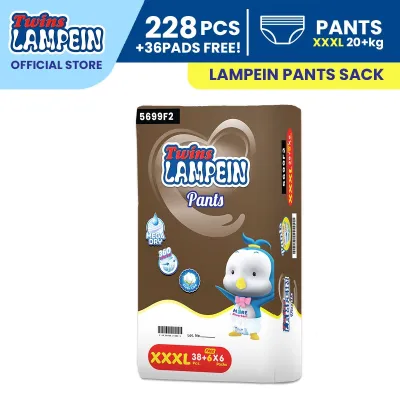
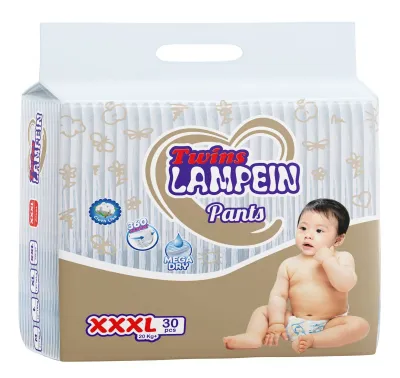
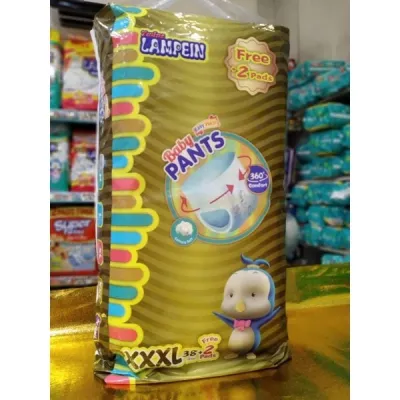
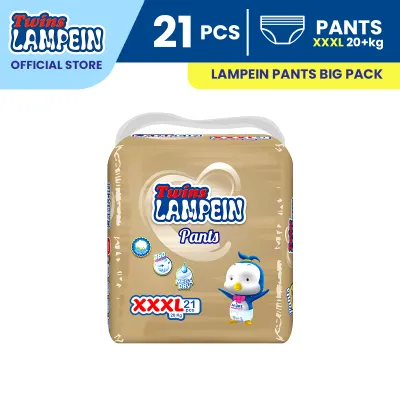
Prices are valid at publication and may change. Please refer to the product page for the latest price.
Physical Signs Your Toddler Has Outgrown Their Current Size
One of the most obvious indicators that your toddler has outgrown their current diaper size is the appearance of red, irritated marks on their skin. In warm, humid tropical climates, tight elastic bands can trap moisture and sweat, leading to chafing and deep red impressions around the thighs, waist, or belly. If these marks persist long after you have removed the diaper, the elastic is under too much tension and is restricting your child’s comfort.
Frequent leaks at the leg cuffs or the waistband are another clear sign of an inadequate fit. When a diaper is too small, it lacks the physical surface area and absorbent material required to contain sudden heavy wetness, causing liquid to escape even if the diaper was put on correctly.
Pay close attention to how the diaper sits on your toddler’s body when they stand up and move around. If the waistband sits too low on the hips, fails to cover the bottom fully, or constantly exposes the skin at the back when they bend over, the diaper’s rise is too short.
Finally, evaluate how much effort is required to secure the diaper. If you are using tape diapers and find yourself stretching the side tabs to their absolute limit just to reach the landing zone, the diaper is too small and will likely pop open during active play.
Checking Weight Ranges and Body Shape for XXXL
When researching XXXL diapers, you will quickly notice that weight thresholds vary significantly between different manufacturers. Because there is no universal standard for diaper sizing, one brand’s XXXL might target a completely different weight range than another’s. Always locate the specific weight chart on the back of the packaging or the manufacturer’s official product listing to verify the recommended limits.

However, weight is only one part of the sizing equation. Toddlers with rounder bellies or chunky thighs often require an upgrade to XXXL diapers much sooner than leaner children of the exact same weight. If your child’s weight falls near the lower boundary of a brand’s XXXL range but they have a robust build, sizing up will generally provide a more comfortable fit.
Another critical dimension to consider is the rise of the diaper, which is the distance from the front waistband, through the crotch, to the back waistband. A diaper with an inadequate rise will sag and pull downward, increasing the risk of blowouts. Choosing an XXXL size provides the extra fabric height necessary to keep the waistband securely positioned above the hips.
Comparing XXXL Fit Across Brands Including Lampiem
Because diaper brands design their products using different fit models, an XXXL diaper from one manufacturer may fit quite differently from another. Some brands focus on a wider, more relaxed cut, while others prioritize a slimmer profile with highly elasticized waistbands. Understanding these design differences helps you select a diaper that matches your toddler’s specific proportions.
When evaluating options like the Lampiem diaper XXXL or other popular brands on online marketplaces, look closely at the product specifications and customer feedback regarding stretchability. Brands like Lampiem often feature wide elastic waistbands and flexible side panels designed to accommodate active toddlers without digging into their skin.
Additionally, examine the placement of the absorbent core and the height of the double leak guards. For toddlers who are highly active or sleep on their stomachs, a diaper with an extended front absorbent zone and tall, flexible leg cuffs will offer better containment, preventing wetness from escaping during movement.
Troubleshooting Leaks Before Sizing Up to XXXL
Before investing in a larger and often more expensive pack of XXXL diapers, it is wise to rule out common application errors that mimic the signs of an outgrown diaper. A few simple adjustments to your diapering routine can save you from unnecessary purchases and help you get the most out of your current supply.
First, always check the inner leg cuffs after putting the diaper on your toddler. These elasticized barriers must be fully pulled outward and flared around the thighs; if they remain tucked inward, liquid will easily bypass the absorbent core and leak onto clothing.
Second, ensure the diaper is fastened symmetrically and snugly. If the side tabs are misaligned or the waistband is too loose, gaps will form around the waist and legs as your toddler crawls, walks, or runs, leading to avoidable leaks.
Lastly, consider whether your toddler’s urine output has simply exceeded the maximum absorbency capacity of the current diaper. If the diaper is completely saturated and heavy when it leaks, upgrading to a brand with a more advanced absorbent core or using a dedicated booster pad may resolve the issue without needing to change sizes. Since larger sizes often cost more per piece, saving even a few diapers from being wasted can keep your monthly budget in check, especially when premium packs can cost several hundred ₱.
Frequently Asked Questions (FAQ)
How do I know if the XXXL diaper is too big for my toddler?
An XXXL diaper is too large if you notice gaping around the leg openings, which creates an easy path for leaks. Additionally, if the waistband overlaps significantly when fastened or if the diaper sags, shifts, and bunches up between your toddler’s legs during active play, you should return to a smaller size.
Can I use XXXL diapers overnight if my toddler is still in XXL during the day?
Yes, using an XXXL diaper specifically for overnight sleep is a practical strategy for managing heavy wetting. The larger size contains more absorbent material and features taller leak guards, which can help prevent midnight leaks, provided there are no loose gaps around your toddler’s thighs.
Community discussion
Share your experience or ask a question. Comments are reviewed before publication.