
Using an anti spill milk pillow can be a helpful way to support your newborn during feeding sessions, but it is safe only under strict conditions. These pillows must only be used during active, fully supervised feeding where you are directly holding or supporting your baby. They are never safe for unsupervised resting, independent bottle-feeding, or infant sleep. While an anti-spill milk pillow can assist in maintaining a comfortable feeding posture and managing spit-up, improper use introduces severe risks of suffocation, positional asphyxia, and choking.
For parents in the Philippines, managing feeding comfort often involves navigating warm, humid days where babies can easily become fussy or sweaty. While a supportive pillow seems like a convenient solution to keep your baby elevated and cool, safety must always come first. Understanding the boundaries of how and when to use these products is essential for protecting your newborn from silent hazards.
Understanding Anti-Spill vs. Nursing Pillows
To make informed decisions about your baby’s comfort, it is crucial to distinguish between the different types of support pillows available on online marketplaces and in local baby boutiques. The terms “anti-spill,” “anti-reflux,” and “nursing pillow” are often used interchangeably by sellers, but they refer to products with distinct designs and safety profiles.
Products mentioned in this guide
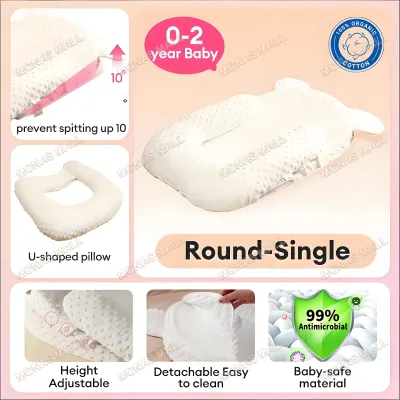
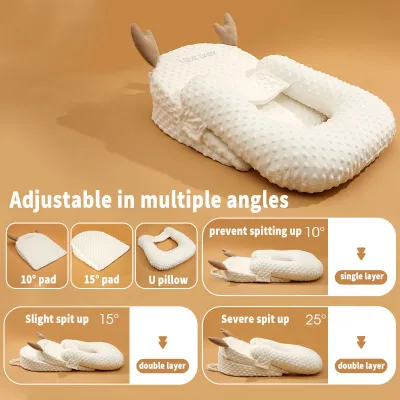

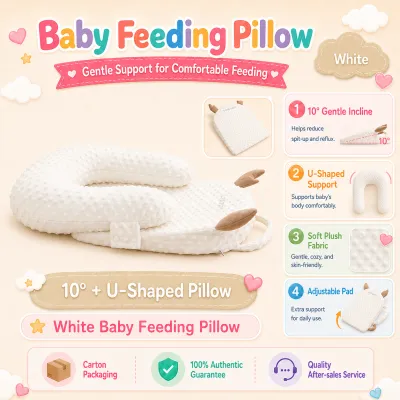
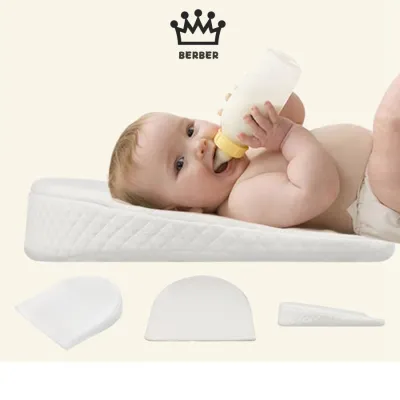

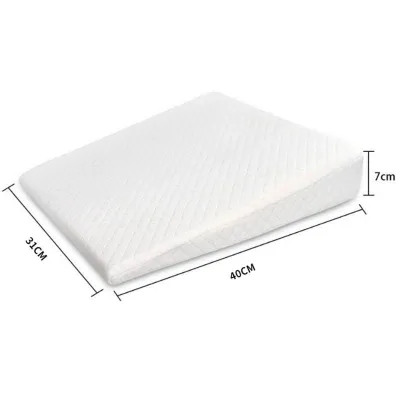
Prices are valid at publication and may change. Please refer to the product page for the latest price.
Standard Nursing Pillows These are typically U-shaped or C-shaped cushions designed to wrap around the caregiver’s waist. Their primary purpose is to lift the baby to breast or bottle height, reducing strain on your arms, shoulders, and back. During use, the baby remains nestled in your arms, supported by the cushion, while you maintain complete control over their position.
Anti-Spill or Wedge Pillows An anti spill milk pillow or anti-reflux wedge is an inclined foam or fabric ramp designed to keep the baby’s head and torso elevated at a specific angle, usually between 10 to 15 degrees. The marketing behind these products suggests that gravity will help keep milk down in the stomach, reducing the frequency of spit-up or reflux symptoms after a feeding. Some models feature built-in safety straps or recessed centers to keep the baby from sliding down.
Contrasting Safety Profiles While both types of pillows can assist during the active feeding process, their safety profiles diverge significantly once the feed is finished. A nursing pillow is a temporary tool that you immediately set aside after feeding. An anti-spill wedge, however, is frequently misunderstood as a safe place for a baby to rest or nap after eating. This misconception is where the greatest danger lies, as any inclined surface poses a structural risk to a newborn’s airway if they are left unattended.
Before purchasing or using any feeding support product, always check the manufacturer’s product label for the intended use, age guidelines, and weight limits. In the tropical climate of the Philippines, also pay close attention to the cover material. Opt for breathable, hypoallergenic fabrics like 100% organic cotton or bamboo, which help prevent heat rashes (commonly known as bungang araw) during long feeding sessions in non-air-conditioned rooms.
In the Philippines, basic feeding pillows can range from around ₱300 to ₱800 on online marketplaces, while premium ergonomic or organic cotton models can range from ₱1,500 to over ₱3,500. Regardless of the price point, safety features and material quality should always take priority over aesthetic designs.
Critical Safety Risks You Must Avoid
Using an anti spill milk pillow incorrectly can turn a helpful feeding aid into a life-threatening hazard. Newborns have highly vulnerable airways and limited physical control, making them entirely dependent on caregivers to maintain a safe environment. Understanding the specific, evidence-based risks associated with these pillows allows you to make safer choices during daily routines.

The Dangers of Bottle Propping
Bottle propping occurs when a caregiver uses a pillow, rolled blanket, or the contour of an anti-spill cushion to hold a bottle in a baby’s mouth, allowing them to feed independently. While this might seem like a convenient way to multitask, especially for busy parents managing household chores, it is highly dangerous and should never be practiced.
When a bottle is propped, the milk flows continuously into the baby’s mouth without any active control from the infant. If the baby is unable to keep up with the flow, they can easily inhale milk into their lungs, leading to choking or aspiration pneumonia. Additionally, because the baby cannot push the bottle away, they are at a much higher risk of overfeeding, which can ironically worsen the very spit-up and reflux issues you are trying to prevent.
Another medical concern of bottle propping is the risk of middle ear infections. When a baby drinks while lying flat or slightly tilted on a propped pillow, milk can pool in the back of the throat and travel up the Eustachian tubes into the middle ear. This stagnant fluid creates an ideal breeding ground for bacteria, leading to painful ear infections that require medical treatment. A caregiver must always hold both the baby and the bottle during every feed to monitor swallowing and stop the flow immediately if the baby struggles.
Suffocation and Sleep Hazards
The most severe risks associated with inclined anti-spill pillows are suffocation and positional asphyxia. Newborns have very weak neck muscles and relatively heavy heads. If a baby is left to sleep or rest unsupervised on an inclined surface, their head can easily slump forward, pressing their chin down toward their chest.
This chin-to-chest position compresses the baby’s soft, narrow airway, cutting off their oxygen supply. Because newborns lack the strength to lift their heads and correct their posture, this can lead to silent suffocation within minutes, without the baby making any sound or showing visible signs of distress. This condition, known as positional asphyxia, is a major contributor to sleep-related infant deaths.
According to established pediatric safe-sleep guidelines, such as those from the American Academy of Pediatrics (AAP), babies must always sleep on a flat, firm, and entirely empty surface. This means no pillows, blankets, bumper pads, or soft toys in the sleep space. An “anti-spill” or “anti-reflux” marketing label does not change this medical reality; no inclined cushion is safe for unsupervised sleep, regardless of what the product packaging claims.
Step-by-Step Guide to Safe Feeding
To ensure your baby reaps the benefits of comfortable positioning without being exposed to unnecessary hazards, you must integrate safe handling practices into your feeding routine. Follow these step-by-step guidelines during every breast or bottle-feeding session.
Maintain Constant Supervision Never leave your baby unattended on an anti spill milk pillow, even for a few seconds. Do not walk away to answer the door, check the stove, or use your phone in another room. You must maintain direct visual and physical contact throughout the entire feed. Additionally, avoid feeding your baby while you are overly fatigued, as falling asleep with your baby on a feeding pillow increases the risk of accidental suffocation.
Ensure Proper Airway Management Before starting the feed, position your baby so that their head and neck are straight and fully supported. Check that their chin is lifted off their chest; you should easily be able to slip a finger between their chin and chest. If the pillow causes the baby’s neck to bend forward or tilt sideways at an extreme angle, adjust their position or remove the pillow entirely.
Align the Body Correctly For an optimal feed that naturally minimizes spit-up, align your baby’s head, neck, and spine in a straight line. Their body should be turned slightly toward you, rather than lying completely flat on their back with their head turned to the side. This alignment supports a deeper latch during breastfeeding and a more controlled, comfortable swallow during bottle-feeding, reducing the amount of air they gulp.
Execute a Safe Post-Feeding Transition Once your baby has finished feeding, do not leave them on the pillow to rest. Instead, immediately transition to a safe post-feeding routine:
- Gently lift the baby upright against your chest or shoulder.
- Keep them in this upright position for 15 to 20 minutes to allow swallowed air to escape and gravity to assist with digestion.
- Burp them gently by patting or rubbing their back.
- If your baby shows signs of sleepiness, transfer them directly to a flat, firm, and empty crib or bassinet.
When to Transition Away from the Pillow
As your baby grows, their physical capabilities and developmental milestones will dictate when it is time to stop using a feeding or anti-spill pillow. What was once a helpful support tool can quickly become a safety hazard as your infant becomes more active.
Monitor Physical Milestones The primary indicator that you must discontinue using the pillow is your baby’s increasing mobility. Once your baby begins to roll over, push up on their arms, or scoot, they can easily wiggle off the pillow. This presents a high risk of falling off the cushion onto a harder surface or wedging themselves between the pillow and the sides of a crib or sofa, which can lead to suffocation.
Assess Core and Neck Strength As your newborn transitions into the infant stage, they will naturally develop the core and neck strength required to support their own head during feeds. If you notice your baby can hold their head steady without assistance and prefers to feed in a more upright or standard cradled position, they no longer require the artificial elevation provided by an anti-spill cushion.
Follow Manufacturer Limits and Inspect Wear Always adhere to the maximum weight and age limits specified by the manufacturer. Regularly inspect the pillow for signs of wear and tear, such as flattening foam, loose seams, or a sagging center. If the pillow loses its structural integrity or no longer provides firm, level support, discontinue use immediately to prevent your baby’s head from sinking into soft, worn-out pockets of fabric.
Frequently Asked Questions (FAQ)
Can I let my baby sleep on the pillow after feeding to prevent spit-up?
No, you should never let your baby sleep on an anti-spill or inclined pillow after feeding. While keeping your baby’s head elevated while awake and supervised can help with digestion, leaving them to sleep on an incline carries a severe risk of positional asphyxia and suffocation. If your baby falls asleep during or immediately after a feed, gently lift them up, burp them, and place them flat on their back on a firm, empty mattress in their crib or bassinet. For safe post-feeding digestion, hold your baby upright against your shoulder for 15 to 20 minutes before putting them down to sleep.
Do pediatricians recommend inclined anti-reflux pillows for newborns?
No, major pediatric health authorities and medical organizations globally do not recommend inclined anti-reflux pillows or sleep positioners for newborns. The medical consensus is clear: these products do not safely prevent acid reflux and instead pose significant airway obstruction and suffocation hazards. If your newborn is experiencing severe, painful reflux, frequent vomiting, or poor weight gain, consult a pediatrician. A qualified medical professional can diagnose conditions like Gastroesophageal Reflux Disease (GERD) and recommend safe, evidence-based management strategies, such as feeding adjustments or medication, rather than relying on unverified physical props.

Community discussion
Share your experience or ask a question. Comments are reviewed before publication.