
Inclined anti-reflux beds are not safe for babies to sleep on. While these products are frequently marketed as a soothing solution for infant reflux, spit-up, or congestion, pediatric health authorities and safety experts warn that any sleep surface with an incline greater than 10 degrees poses severe physical risks to an infant. For safe sleep, babies must always be placed on their backs on a flat, firm, and bare surface.
In the tropical climate of the Philippines, where high humidity and warm nights can already affect a baby’s comfort, parents often search for any solution to help a fussy, reflux-prone infant sleep. An anti-reflux bed for baby might seem like a helpful tool to keep your little one elevated and comfortable after feeding. However, the physical design of these inclined sleepers introduces hazards that outweigh any perceived comfort. Understanding these risks is the first step in creating a truly safe sleeping environment for your child.
When a baby is placed on an incline, their body is subjected to gravity in a way that their developing muscles and airway are not equipped to handle. This can lead to silent but highly dangerous situations during the night. By examining the physical risks, checking established pediatric guidelines, and adopting safe alternatives, you can protect your baby while effectively managing their reflux symptoms.
Products mentioned in this guide

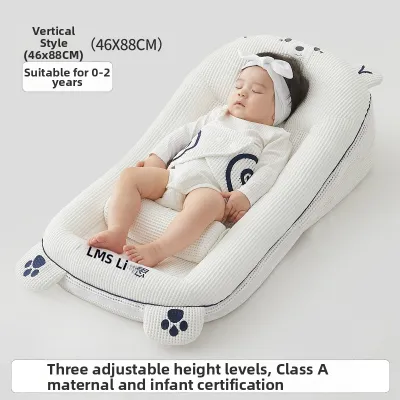
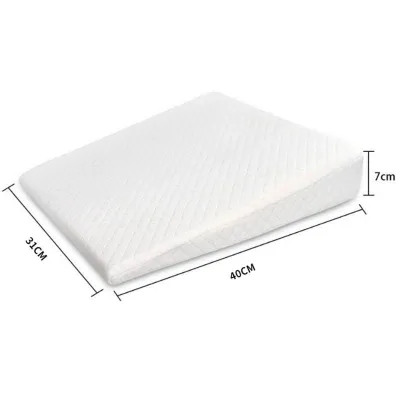
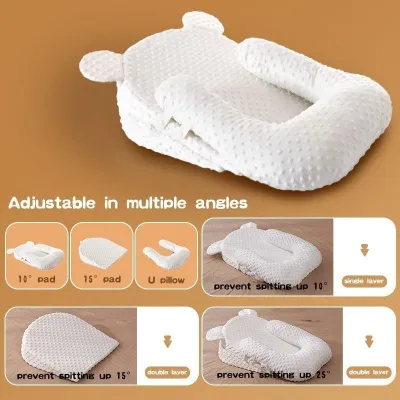
Prices are valid at publication and may change. Please refer to the product page for the latest price.
Identifying the Physical Risks of Inclined Sleep Surfaces
An inclined sleep surface changes how a baby’s body interacts with gravity, especially when their neck muscles are still developing. When an infant sleeps on an angle, their heavy head can easily tilt forward. This chin-to-chest position can compress their relatively soft and narrow trachea, leading to silent suffocation without the baby showing obvious signs of struggle or distress.
Infants are obligate nose breathers for the first few months of life, meaning their nasal passages are small and easily obstructed. When their head tilts forward on an incline, even a slight bend in the neck can significantly restrict their airflow. Because babies have weak neck muscles, they cannot lift their heads to correct this position once they have slumped, making the situation extremely dangerous.
Another major hazard of angled sleep surfaces is the risk of physical movement. Even if a newborn cannot roll over yet, the natural pull of gravity on an incline can cause them to slide down, slump, or roll sideways. This movement can trap the baby’s face against soft padded sides, fabric covers, or safety straps, creating a high risk of suffocation or positional asphyxiation.
The design of many anti-reflux beds often includes built-in straps or harnesses to keep the baby from sliding. However, these restraint systems themselves pose a risk of strangulation or chest compression if the baby shifts. Relying on straps to keep a baby in an inherently unsafe sleep position does not eliminate the underlying hazard of the incline.
Additionally, the soft, plush materials commonly used in inclined sleepers to make them look comfortable are themselves a hazard. If a baby’s head turns to the side, their nose and mouth can easily be blocked by the soft fabric. A safe sleep surface must be firm enough that it does not conform to the shape of the baby’s head, a standard that most inclined beds fail to meet.
Checking Safe Sleep Standards and Pediatric Guidelines
When evaluating any sleep product, it is essential to compare marketing claims against established pediatric guidelines. The universal baseline for safe infant sleep is simple: a baby should always sleep on a surface that is completely flat, firm, and free of any soft bedding, pillows, or bumpers. Any product that elevates a baby’s head or torso during sleep violates this fundamental safety standard.

A firm surface is defined as one that does not indent when your baby lies on it. You can test this by pressing your hand firmly onto the mattress and releasing it; if the mattress immediately springs back without leaving an impression, it meets the firmness standard. Soft surfaces, including those found in many inclined sleepers, increase the risk of carbon dioxide rebreathing, where a baby breathes in their own exhaled air trapped in the soft fabric.
Parents should actively check current advisories from local health authorities, such as the Department of Health, as well as international pediatric associations. These organizations consistently warn against the use of inclined sleepers, wedges, and positioners. Many products once marketed as sleep aids have been recalled globally due to safety incidents, highlighting the gap between commercial claims and medical recommendations.
It is also important to recognize that marketing terms like “orthopedic,” “pediatrician-approved,” or “anti-reflux” are not regulated safety certifications. Manufacturers often use these labels to appeal to anxious parents looking for relief. Before buying, parents should look for independent safety certifications rather than relying on promotional language on the packaging.
Medical professionals generally do not recommend sleep elevation as a primary or safe treatment for infant reflux. While keeping an adult’s head elevated can help with acid reflux, a baby’s anatomy is different. Studies and clinical guidelines indicate that elevating a baby during sleep does not significantly reduce reflux symptoms and instead introduces unnecessary physical dangers.
Safe Alternatives for Managing Infant Reflux
Managing infant reflux safely involves practical, low-risk adjustments to daily routines rather than relying on specialized sleep gear. One of the most effective strategies is keeping your baby in an upright position for at least 20 to 30 minutes after each feeding. Holding your baby against your shoulder or in a secure, upright hold allows gravity to help keep milk in their stomach before you lay them down flat to sleep.
Adjusting your feeding routine can also make a significant difference in reducing spit-up. Offering smaller, more frequent meals prevents your baby’s stomach from becoming overly full, which is a common trigger for reflux. Ensuring thorough burping during and after feeds helps release trapped air that might otherwise push milk back up.
For bottle-fed babies, using a slow-flow nipple and practicing paced bottle feeding can prevent them from swallowing too much air and drinking too quickly, both of which contribute to reflux. Keeping the bottle horizontal rather than vertical helps control the flow of milk, allowing the baby to feed at a more natural and manageable pace.
It is also helpful to ensure that your baby’s diaper is not fastened too tightly around their abdomen. Excess pressure on the stomach can force gastric contents upward, worsening reflux symptoms. Opting for loose-fitting clothing around the waist can provide simple, physical relief without any safety risks.
While mild spit-up is normal for many healthy infants, some symptoms require professional medical attention. You should stop home management and consult a pediatrician if your baby experiences persistent, projectile vomiting, shows signs of pain during or after feeding, or is not gaining weight. A qualified healthcare provider can evaluate your baby’s growth and recommend safe, medically supervised treatments if necessary.
Safety Checklist Before Purchasing a Baby Bed
Before purchasing any crib, bassinet, or mattress, parents should perform a thorough physical safety check to ensure the product meets safe sleep standards. The sleep surface must be entirely flat, with an incline of 10 degrees or less, and must not feature any built-in wedges, head elevation zones, or soft contouring. If a mattress feels plush or allows your baby’s head to sink, it is too soft for safe sleep.
Next, verify the fit of the mattress within the bed frame. The mattress must fit snugly inside the crib or bassinet, leaving no gaps wider than two fingers between the mattress edge and the frame. Dangerous gaps can trap a baby’s limbs or head, leading to severe injury. The mattress should also be firm enough that it does not conform to the shape of your baby’s head or body.
Ensure the bed frame itself has sturdy, breathable sides. In the Philippines, where warm weather is common, mesh or slatted sides are excellent for promoting airflow and preventing heat buildup. Avoid beds with solid, heavily padded fabric sides, as these can restrict ventilation and pose a suffocation risk if the baby rolls against them.
Finally, examine the product labels and documentation for recognized safety certifications and clear manufacturer warnings. Look for labels that specify compliance with international or local safety standards for infant sleep products. Always check the manufacturer’s specified age, weight, and developmental limits, and ensure you understand when to stop using the product, such as when your baby begins to roll over.
Keep the sleep environment completely bare. This means no pillows, blankets, stuffed toys, or sleep positioners should be placed inside the crib with your baby. If you are concerned about your baby staying warm during cooler nights or in air-conditioned rooms, use a wearable blanket or sleep sack that fits securely around their neck and arms without covering their face.
Frequently Asked Questions (FAQ)
Can I place a wedge or towel under the mattress to create an incline?
No, you should not place a wedge, towel, or any other object under or over a baby’s mattress to create an incline. Even a slight DIY incline can cause your baby to slide down to the foot of the crib, where they may become trapped or roll into an unsafe position against the crib sides. To maintain a safe sleep environment, the mattress must remain completely flat, firm, and unmodified, without any loose items or makeshift supports.
What should I do if my baby refuses to sleep flat?
If your baby resists sleeping on a flat surface, it is important to first differentiate between normal newborn sleep noises and actual medical distress. Newborns often grunt, squirm, and make noise during active sleep, which does not mean they are uncomfortable or in pain. To help them settle, focus on safe soothing techniques such as gentle swaddling (until they show signs of rolling), playing white noise, and maintaining a consistent, calm bedtime routine. If your baby consistently cries, arches their back, or shows signs of severe discomfort when laid flat, consult a pediatrician to rule out underlying medical issues rather than using an unapproved inclined sleep product.

Community discussion
Share your experience or ask a question. Comments are reviewed before publication.