
Protecting a baby from mosquito bites is a top priority for parents, especially in warm, humid environments where mosquitoes thrive year-round. While anti-mosquito patches offer a convenient, hands-free way to repel insects, their safety is not universal. Whether a patch is safe for your infant depends entirely on the active ingredients used, your baby’s exact age, and their individual skin sensitivity.
Many parents assume that products labeled “natural,” “organic,” or “DEET-free” are automatically safe for newborns and young infants. However, concentrated plant extracts and essential oils can still pose risks to a developing baby. Before purchasing or applying any patch, you must verify the manufacturer’s minimum age requirement and safety warnings printed on the packaging. There is no single standard for these products, meaning one brand may be cleared for infants while another is strictly for older toddlers.
Checking Ingredients: What to Look for on the Label
To make an informed decision, you must look closely at the active ingredient list on the product label. Most anti-mosquito patches rely on plant-based essential oils to mask the human scents that attract mosquitoes. Common active ingredients include citronella oil, eucalyptus oil, lemongrass oil, peppermint oil, and lavender oil. While these ingredients are popular alternatives to synthetic chemicals, they are highly concentrated and can cause adverse reactions.
Products mentioned in this guide
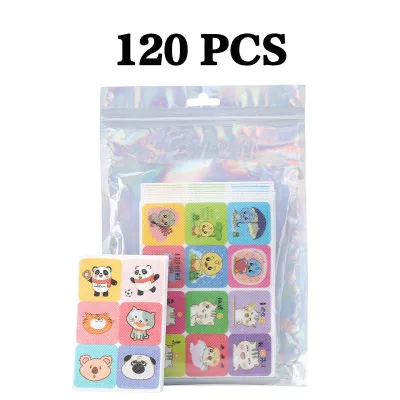
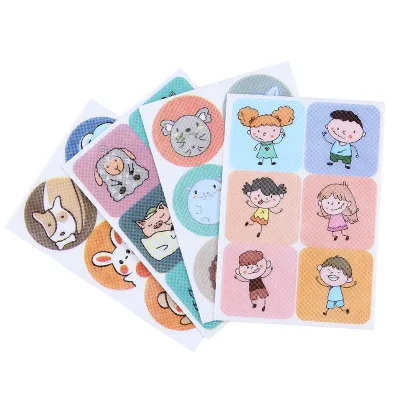
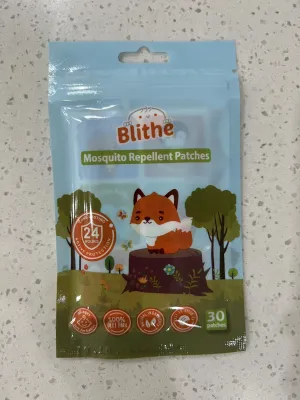
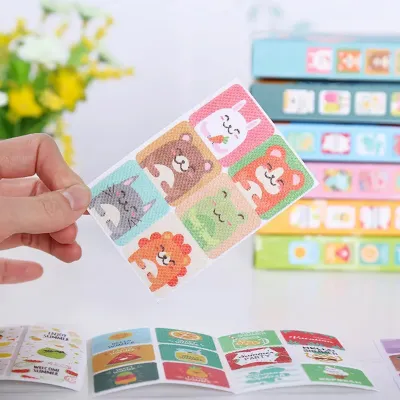
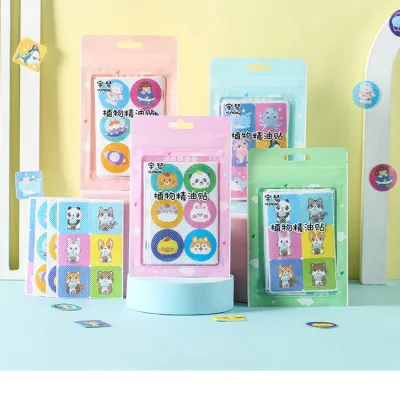
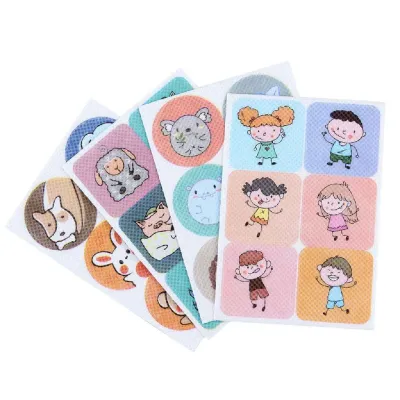
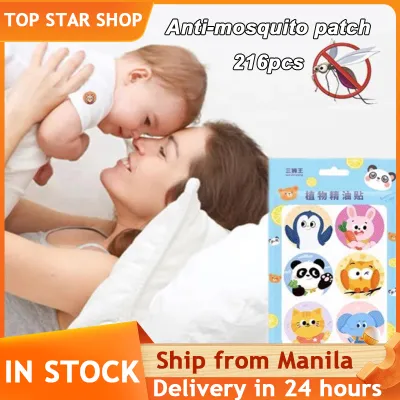
Prices are valid at publication and may change. Please refer to the product page for the latest price.
Infant skin is significantly thinner and more permeable than adult skin, making it highly susceptible to contact dermatitis, localized redness, and allergic reactions when exposed to concentrated botanical oils. Furthermore, the strong aromas of these essential oils can irritate a baby’s sensitive respiratory system. When examining a package, look for a complete list of ingredients rather than vague marketing terms like “all-natural blend.”
In addition to the active ingredients, check the packaging for clear age restrictions, manufacturing dates, and expiration dates. Over time, the efficacy of essential oils declines, and the adhesive backing can degrade, which may cause the patch to fall off easily. Avoid products that lack a clear ingredient list or fail to specify safety warnings, as these omissions make it impossible to verify what you are exposing your child to.
Age Limits: When Can Babies Start Using Mosquito Patches?
Manufacturers establish minimum age limits for mosquito patches based on several developmental factors. During the first few months of life, an infant’s skin barrier is still developing, leaving them vulnerable to absorbing substances applied to or near their skin. Additionally, newborns have highly sensitive airways that can easily become irritated by strong, concentrated scents.

As a general rule, you should strictly follow the age threshold printed on the specific product you intend to use. Many manufacturers recommend their patches only for babies older than six months, while others may specify a limit of one or two years. Never assume a patch is safe for a newborn simply because it is marketed for babies; always look for the explicit age range on the label.
If you are considering using a pest repellent patch on an infant under the manufacturer’s stated age, or if the packaging does not specify an age limit, consult your pediatrician first. A qualified healthcare professional can evaluate your baby’s health history, skin sensitivity, and local environmental risks to provide personalized guidance. This is especially important in tropical regions where mosquito-borne illnesses are common, as a pediatrician can help you balance effective protection with infant safety.
How to Apply Mosquito Patches Safely on Baby Gear and Skin
If you determine that a mosquito patch is appropriate for your baby’s age, the method of application is crucial for minimizing risks. The safest approach is to avoid direct skin contact entirely. Instead of sticking the patch on your baby’s skin, apply it to their clothing, stroller canopy, crib frame, or playpen mesh. This creates a protective scent barrier without exposing their delicate skin to concentrated oils or adhesives.
When applying a patch to clothing, choose a location that your baby cannot easily see or reach. The upper back of their shirt or the outer hem of their pants are excellent options. Placing a patch near a baby’s face, hands, or chest increases the risk of them inhaling strong fumes directly, rubbing the oils into their eyes, or pulling the patch off and putting it in their mouth.
Caregiver supervision is essential whenever a patch is in use. Ensure the patch is pressed down firmly and adheres securely to the fabric or gear. In humid tropical climates, sweat, humidity, and active movement can weaken the adhesive, causing the patch to peel off. A loose patch poses a serious choking hazard if a baby manages to grab it and swallow it. Always remove and safely discard the patch once you return indoors or when the recommended usage time has passed.
Warning Signs: When to Remove the Patch and Seek Help
Even when you follow all safety guidelines, adverse reactions can still occur. You must monitor your baby closely during and after using a mosquito patch, especially when trying a new brand for the first time. Keep a watchful eye out for any physical or behavioral changes that indicate discomfort or sensitivity.
Observable skin reactions are the most common signs of trouble. Look for redness, swelling, hives, or a bumpy rash near the area where the patch was applied, even if it was stuck to clothing. If the patch was placed on gear, check the skin areas closest to the patch. Additionally, watch for respiratory or behavioral signs. If your baby begins coughing, sneezing, showing watery eyes, or exhibiting unusual fussiness and breathing changes, they may be reacting to the strong scent of the essential oils.
If you notice any of these warning signs, take immediate action. Remove the patch immediately and dispose of it out of your baby’s reach. If there was any direct skin contact, gently wash the affected area with mild baby soap and cool water to remove any remaining oils or adhesive residue. Monitor your baby closely, and consult a pediatrician or seek medical attention if the skin irritation persists, if respiratory symptoms do not improve, or if your baby shows signs of severe distress.
Safe Alternatives for Infant Mosquito Protection
When mosquito patches are not suitable for your baby’s age, skin type, or health condition, physical barriers offer highly effective, chemical-free protection. These methods are particularly valuable in tropical environments where mosquito exposure is a daily concern, allowing you to protect your infant without relying on active chemical ingredients.
Fine-mesh mosquito nets are one of the most reliable tools for infant protection. You can drape a custom-fit net over your baby’s stroller, carrier, crib, or playpen. Ensure the mesh is fine enough to keep out small insects while still allowing adequate airflow to prevent overheating in warm weather. This physical barrier completely blocks mosquitoes from reaching your baby’s skin without introducing any scents or chemicals.
Dressing your baby in appropriate clothing is another simple and effective strategy. Opt for lightweight, loose-fitting, long-sleeved shirts and long pants made from breathable fabrics like cotton. Light-colored clothing is preferable, as mosquitoes are naturally attracted to dark colors, and light fabrics make it easier to spot any insects that land on your baby.
Finally, you can implement environmental controls to reduce mosquito presence around your home. Ensure all window and door screens are intact and free of holes. Using a standing or ceiling fan in the nursery creates a gentle breeze that disrupts mosquito flight patterns, making it difficult for them to land on your baby. While high-quality stroller nets or window screens might require a small upfront investment of several hundred pesos (₱), they offer long-term, chemical-free protection that does not expire.
Frequently Asked Questions (FAQ)
Can I put a mosquito patch directly on my baby's skin?
Applying a mosquito patch directly to your baby’s skin is generally not recommended. Infant skin is highly sensitive, thin, and prone to irritation from both the concentrated essential oils and the adhesive backing used on the patch. Direct contact significantly increases the risk of localized redness, allergic reactions, and contact dermatitis. To keep your baby safe, always apply the patch to their clothing, stroller, or other gear out of their reach, unless the product label explicitly states that it has been dermatologically tested and approved for direct infant skin application.
Do DEET-free mosquito patches work in tropical climates?
DEET-free mosquito patches, which typically rely on plant-based ingredients like citronella or eucalyptus, can provide a mild repelling effect, but they have limitations in high-mosquito tropical environments. Plant-based active ingredients generally evaporate much faster than synthetic repellents, resulting in a shorter duration of effectiveness and lower overall protection. To ensure your baby remains protected, you should regularly monitor the strength of the patch’s scent, replace it according to the manufacturer’s instructions, and combine it with physical barriers like mosquito nets and protective clothing for comprehensive defense.
Community discussion
Share your experience or ask a question. Comments are reviewed before publication.