
Quick Answer: Is AfterBites Tiny Buds Safe for Your Baby?
Determining whether a topical soothing gel is safe for your baby depends heavily on your child’s exact age, individual skin sensitivity, and the specific formulation printed on the product packaging. While many parents seek immediate relief for insect bites, newborns and young infants require a highly cautious approach. The skin of a newborn (typically defined as the first two months of life) is structurally different from older infant skin, possessing a much thinner outer layer that absorbs topical substances far more rapidly into the bloodstream.
Because of this high skin permeability, many over-the-counter topical treatments are entirely unsuitable for newborns without explicit pediatrician approval. Even products marketed as natural, gentle, or baby-friendly do not automatically translate to being safe for a newborn’s highly sensitive system. You must always verify the manufacturer’s minimum age recommendation directly on the product label before application, as formulations can change and age limits are established to protect developing organs.
This guide provides educational information to help you navigate infant skin safety but does not replace professional medical advice. Always consult a qualified pediatrician or healthcare professional before applying any new skincare product, cream, or soothing gel to your newborn or young infant.
Products mentioned in this guide
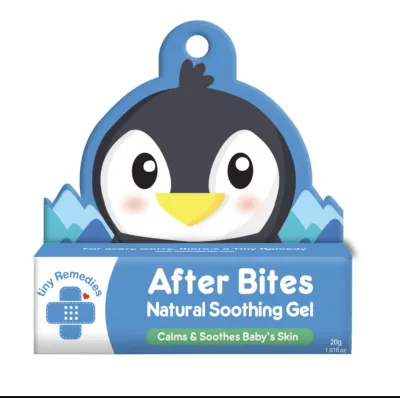
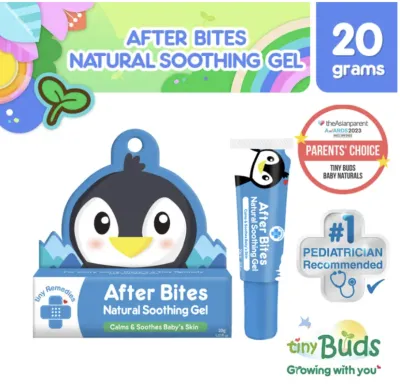
Prices are valid at publication and may change. Please refer to the product page for the latest price.
How to Check Age Limits and Ingredient Safety
Manufacturers establish minimum age limits for baby products based on rigorous safety margins, skin barrier development, and toxicological evaluations. During the first few months of life, an infant’s skin barrier is still developing, making it highly susceptible to localized irritation and systemic absorption of active ingredients. A product that is perfectly safe for a six-month-old baby could potentially trigger an adverse reaction or respiratory distress in a younger infant or newborn.

When evaluating any soothing gel or cream, you must carefully read the ingredient list and cross-reference it with pediatric safety guidelines. Pediatricians generally caution against using products containing camphor, menthol, or eucalyptus oil on young infants. These specific ingredients can cause severe skin irritation and, more critically, have been linked to respiratory issues or reflex localized breathing spasms in babies when applied near the face or in high concentrations. Additionally, avoid products with high concentrations of alcohol, synthetic fragrances, or artificial colorants, which can dry out and compromise the delicate infant skin barrier.
In the tropical climate of the Philippines, high humidity and warm temperatures create an ideal breeding ground for mosquitoes and other biting insects. While protecting your baby from the discomfort of bug bites and the risk of insect-borne illnesses is a constant priority, you must balance this with the safety of their skin barrier. Quick-fix topical solutions should never take precedence over the physiological safety of your infant’s developing body.
Before purchasing or applying any insect bite relief product, take a clear photograph of the ingredient panel on the packaging. Show this list to your pediatrician during your next wellness visit, or send it to them directly for a professional assessment. A quick verification with a medical professional ensures you are not exposing your baby to unnecessary chemical risks.
Potential Side Effects and How to Spot Skin Reactions
Even when a product is formulated with mild ingredients, there is always a potential for adverse skin reactions. Mild localized irritation is the most common side effect parents observe when introducing a new topical product. This can manifest as temporary redness, slight swelling, or localized dryness at the application site, particularly if the skin is already raw, broken, or inflamed from the baby scratching the bite.
More significant allergic reactions, such as contact dermatitis, require immediate attention and discontinuation of the product. Signs of an allergic response include spreading hives, intense redness that extends far beyond the original bite area, a worsening rash, or localized swelling of the skin. If you notice your baby becoming unusually fussy or showing signs of discomfort after application, it may indicate that the product is causing a stinging or burning sensation.
To minimize the risk of a widespread reaction, always perform a standardized patch test before using any new product on your baby’s skin:
- Step 1: Clean a very small, intact area of your baby's skin, such as the inner forearm or the side of the thigh, using mild baby soap and lukewarm water.
- Step 2: Apply a tiny, pea-sized amount of the product to this clean area and gently pat it in.
- Step 3: Monitor the test area closely over the next 24 hours while keeping it dry and free from other creams.
- Step 4: Inspect the skin under good lighting for any signs of redness, bumps, swelling, or scaling. If any reaction occurs, wash the area immediately and do not use the product.
Safe Application Steps and When to Stop Using
If your pediatrician has approved the use of a topical soothing gel for your infant, proper application technique is vital to prevent accidental complications. Instead of using your fingers, which can introduce bacteria to the bite or accidentally transfer the product to other areas, use a clean cotton bud applicator. This allows you to target the exact center of the insect bite precisely while maintaining excellent hygiene.
When applying any topical treatment, you must strictly avoid highly sensitive areas of your baby’s body. Never apply creams or gels near the eyes, nose, mouth, or other mucous membranes, as this can cause severe irritation or accidental inhalation. Crucially, avoid applying any product to your baby’s hands or fingers, because infants frequently put their hands into their mouths and eyes, which dramatically increases the risk of accidental ingestion or ocular irritation.
Do not apply soothing gels to broken, weeping, or severely scratched skin. If your baby has already scratched the insect bite to the point of breaking the skin, applying a topical formula can cause intense stinging and may interfere with the natural healing process. Open wounds also allow ingredients to be absorbed much more rapidly into the bloodstream, bypassing the skin’s natural defense mechanisms.
Discontinue use immediately and seek professional medical care if you observe any red flags. These include signs of localized skin infection such as pus, oozing yellow crusts, skin that feels hot to the touch, or red streaks spreading from the bite. You must also seek immediate emergency medical attention if your baby develops a fever, a rapidly spreading rash across their body, or any signs of breathing difficulties, wheezing, or facial swelling.
Gentle, Low-Risk Alternatives for Newborn Bug Bites
For newborns and young infants who are too young or have skin too sensitive for topical creams, several low-risk, drug-free soothing methods can provide effective relief. A simple cold compress is highly effective at reducing localized swelling and temporarily numbing the itch. Wrap a clean, soft washcloth around an ice pack, or dampen the cloth with cool water, and gently hold it against the bite for a few minutes at a time.
Keeping the insect bite clean is another essential step in preventing secondary bacterial infections. Wash the affected area gently with a mild, fragrance-free baby soap and lukewarm water, then pat it dry with a clean towel. This simple step removes any residual insect saliva or external irritants that could worsen the itching sensation without introducing any harsh chemicals to the skin.
Preventing the bite from being scratched is critical to avoiding skin damage and infection. Ensure your baby’s fingernails are kept short and smoothly filed to minimize the impact of scratching. During sleep or high-risk times, you can place soft, breathable cotton mittens on their hands. Additionally, dressing your infant in lightweight, long-sleeved cotton clothing and utilizing physical barriers like fine mosquito netting over cribs and strollers provides excellent, chemical-free protection against tropical insects.
Frequently Asked Questions (FAQ)
Can I use AfterBites Tiny Buds on a baby under 6 months old?
You should not apply AfterBites Tiny Buds or any similar soothing product to an infant under six months old without first checking the specific age guidelines on the product packaging and consulting your pediatrician. Many soothing formulations are specifically labeled for older infants or toddlers because a young baby’s skin barrier is exceptionally thin and highly permeable. Always prioritize professional medical advice and physical prevention methods for very young infants.
What should I do if my baby accidentally ingests the product?
If your baby accidentally ingests any topical soothing gel, act quickly and calmly. Use a clean, damp cloth to gently wipe any remaining product from your baby’s mouth and lips, and do not attempt to induce vomiting. Contact your pediatrician, a local hospital, or a poison control center immediately for guidance, and ensure you keep the product packaging close at hand so you can read the exact ingredient list to the medical professional.
How often can I apply it to my infant's bug bites?
You must strictly adhere to the application frequency and dosage instructions specified by the manufacturer on the product label. Avoid applying the gel excessively or coating large areas of the baby’s body, as over-application increases the risk of skin irritation and unwanted systemic absorption. If the itching and discomfort persist despite following the recommended application limits, consult your pediatrician for alternative soothing options.
Community discussion
Share your experience or ask a question. Comments are reviewed before publication.