
As your little one begins to find his feet, you might naturally start searching for a walker for baby boy to help him explore your home. However, before adding any mobile gear to your nursery registry or shopping cart, it is vital to understand that not all walkers are created equal. Traditional sit-in baby walkers—where an infant is suspended in a fabric seat inside a wheeled frame—pose significant safety risks and are generally not recommended by major pediatric health organizations worldwide.
Instead, child development experts strongly favor push walkers, also known as activity walkers. These walk-behind toys require your baby to stand, balance, and bear their own weight, supporting natural motor skill development rather than forcing an artificial posture. While you may be searching specifically for a walker for baby boy, these safety guidelines, physical risks, and developmental considerations apply equally to all infants, regardless of gender. Understanding these differences is the first step in creating a secure environment for your child’s physical milestones.
Understanding the Real Risks of Traditional Sit-In Walkers
To understand why pediatricians express such strong concerns about traditional sit-in models, we must look at how these devices alter a baby’s natural speed and reach. Inside a wheeled frame, an infant can move at speeds exceeding one meter per second. This rapid mobility far outpaces a caregiver’s reaction time, turning ordinary rooms into high-risk environments in the blink of an eye.
Products mentioned in this guide
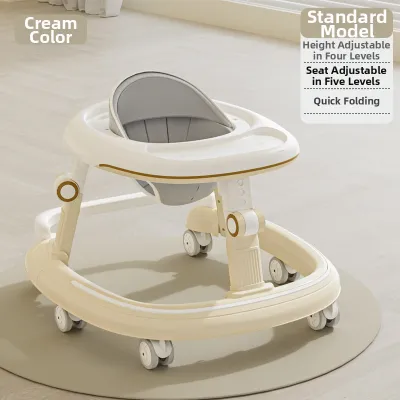
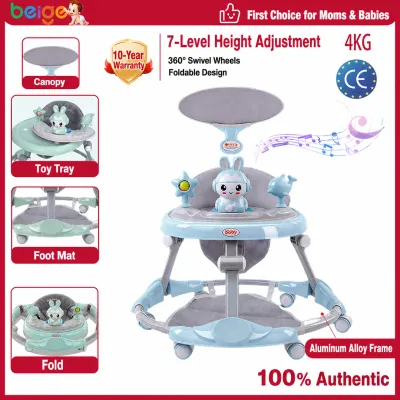
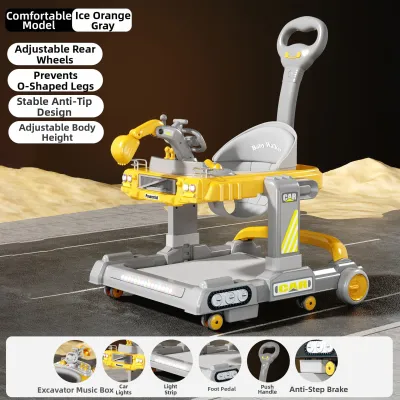
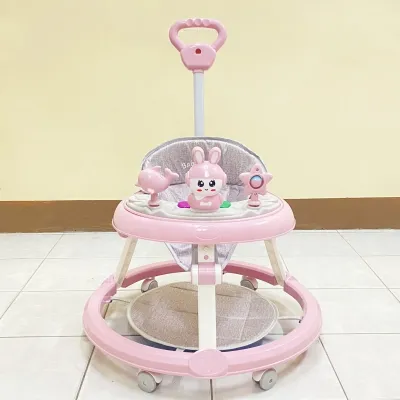
![[Easy To Walke] Bobbi Baby Walker walker for baby boy baby walker for girl SuitableFor 6-18 Months Infant Foldable walker for baby with Wheel Toddler Walk Learning Anti Rollove walker baby girl walker for baby With Music and Handle](https://img.lazcdn.com/g/p/fccee499d29a7bf50ee21c4b22facbed.jpg_400x400q80.jpg_.webp)
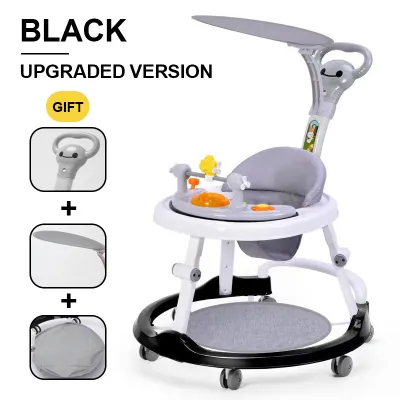
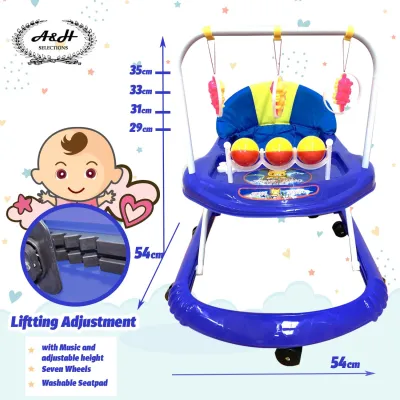
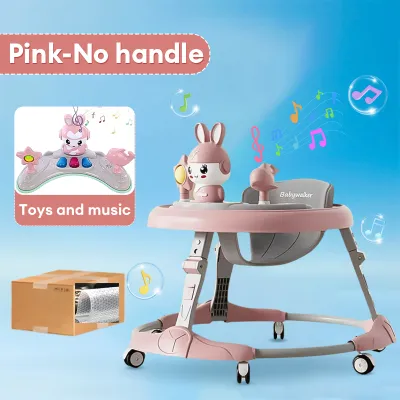
Prices are valid at publication and may change. Please refer to the product page for the latest price.
Stair and step falls remain the leading cause of severe, emergency-room-level injuries associated with sit-in walkers. When a wheeled device hits an edge, a raised threshold, or a transition to a sunken living area, it can easily tip over. In many homes in the Philippines, split-level floor plans, steps leading to wet areas, or raised doorways are common structural features that pose immediate tipping hazards to a high-speed infant on wheels.
Furthermore, the elevated height of a sit-in walker grants babies access to hazards that would normally remain far out of reach for a crawling child. A baby suspended in a walker can suddenly reach hot coffee cups on low tables, pull on dangling electrical cords, grab heavy objects on countertops, or access household cleaning agents. This artificial elevation bypasses the natural safety boundaries that crawling and pulling up naturally establish.
From a physiological standpoint, prolonged use of sit-in walkers can actually delay independent walking milestones. Because the suspended seat carries the baby’s weight, the child does not develop the crucial hip, trunk, and leg strength required for balance. Instead of walking naturally, infants in sit-in walkers often push off with their tiptoes, which can cause tight Achilles tendons and encourage abnormal walking patterns. For personalized guidance on your child’s physical development, always consult your pediatrician.
Choosing a Walker for Baby Boy: Sit-In vs. Push Walkers
When evaluating the best gear to support your baby’s physical journey, comparing the design mechanics of sit-in models against push-along activity walkers is essential. Sit-in walkers rely on a suspended fabric seat surrounded by a rigid plastic frame on wheels. This configuration keeps the baby in an unnatural semi-sitting posture, limiting their need to engage their core muscles or practice shifting their weight from side to side, while giving caregivers a false sense of security.

In contrast, push walkers are walk-behind toys featuring a sturdy handlebar, a weighted base, and wheels. Because there is no seat, your baby must actively stand, balance, and bear their own weight to move the toy forward. This active engagement strengthens the core, calves, and thighs while encouraging proper foot-to-floor contact, which aligns perfectly with natural motor skill progression.
Before introducing a push walker, you must verify that your baby boy has reached the necessary developmental milestones. A baby is not ready for a push-along toy simply because they can sit up unassisted. They must be able to pull themselves up to a standing position independently and maintain their balance while holding onto furniture. Introducing a push walker too early can lead to frequent falls and frustration.
Essential Safety Features to Check Before Buying
If you decide to purchase a push walker or wish to evaluate an existing model, you must conduct a rigorous physical inspection. Do not rely solely on online product titles or marketing descriptions; instead, physically examine the product and verify all specifications in the manufacturer’s documentation.
- Wide, Stable Base: A safe walker must feature a broad, heavy base that is significantly wider than the handlebar or toy tray. This design keeps the center of gravity low and prevents the walker from tipping over when your baby pulls themselves up using the handle. Test this by gently pushing the device from various angles to ensure it resists tipping.
- Braking and Locking Mechanisms: Many homes in the Philippines feature smooth, polished ceramic tiles, marble, or polished wood floors. On these slick surfaces, wheels can roll too quickly, causing the walker to slide out from under your baby. Look for models with adjustable wheel tension, speed restrictors, or rubber friction strips on the bottom that prevent uncontrolled rolling.
- Stair-Fall Prevention Features: If you are evaluating a sit-in model, ensure it is equipped with heavy-duty rubber gripping pads on the underside. These pads are designed to catch on the edge of a step or threshold to stop the walker's momentum. However, keep in mind that these mechanical features are not foolproof and can fail on dusty or wet surfaces.
- Adjustable Height Settings: For push walkers, the handlebar should adjust to match your baby's height, allowing them to push with a slight bend in the elbow without hunching forward. If using a sit-in model, adjust the seat height so that both of your baby's feet rest flat on the floor; they should never be balancing on their tiptoes. Readjust these settings regularly as your child grows.
- Certification Labels: Look for physical tags, stamps, or labels indicating compliance with recognized international safety standards, such as ASTM F977 (for sit-in walkers) or ASTM F963 (for toy safety). Verify these certifications in the product manual rather than trusting unverified online listings.
- Secure Toy Tray and Components: Inspect all attached toys, mirrors, and buttons on the activity panel. Ensure they are firmly anchored and cannot break off to become choking hazards. Check the entire frame for sharp plastic seams, exposed metal screws, or narrow gaps that could pinch small fingers.
Safe Usage Rules and When to Stop
Even the most robustly designed push walker requires strict operational boundaries to guarantee your baby’s safety. Implementing structured usage habits prevents accidents and ensures the device supports, rather than hinders, physical development.
First and foremost, active adult supervision is mandatory. A walker is not a babysitter or a safe containment zone. An adult must remain within arm’s reach and keep their eyes on the baby at all times while the walker is in use. Never leave a child unattended in a room with a walker, even for a moment.
Before letting your baby use the walker, thoroughly prepare the environment. Block off all staircases, kitchen entrances, bathrooms, and steps leading to outdoor patios with secure, hardware-mounted safety gates. Remove loose rugs, floor mats, electrical cords, and any small objects from the floor. Ensure the floor surface is dry and free of spills to prevent the wheels from sliding.
Limit your baby’s walker sessions to short intervals of 15 to 20 minutes per day. Restricting use prevents physical fatigue, protects developing hip joints from strain, and ensures your baby spends plenty of time on the floor practicing crawling, sitting, and rolling, which are vital for overall coordination.
Finally, know when to retire the walker. Stop using a push walker immediately if your baby can walk confidently without support, exceeds the manufacturer’s maximum weight or height limits, or shows signs of persistent physical fatigue. If you notice your baby boy consistently walking on his tiptoes or showing unusual leg alignment after using a walker, discontinue use immediately and consult your pediatrician.
Frequently Asked Questions (FAQ)
At what age can a baby start using a walker?
Readiness for a walker is determined by physical milestones rather than a specific chronological age. For a push walker, your baby must be able to pull themselves up to a standing position and maintain their balance while holding onto furniture. Always check the manufacturer’s documentation for specific age, weight, and height limits before introducing the toy.
Do baby walkers cause bowed legs?
While mild bowed legs are a normal developmental phase for many infants and typically resolve naturally, improper or excessive use of sit-in walkers can strain developing joints and alter posture. If a walker is adjusted incorrectly, forcing a baby to bear weight on their tiptoes, it can negatively impact leg alignment. If you have concerns about your child’s leg posture, consult your pediatrician.
Are second-hand baby walkers safe to use?
Using second-hand walkers is generally not recommended due to hidden wear and tear, missing parts, or outdated safety features. Older models may lack modern braking systems or fail to meet current safety standards. If you must use a pre-owned model, thoroughly inspect it for structural cracks, missing screws, and worn-out wheels, and cross-reference the model number with online safety databases to verify it has not been recalled.
Community discussion
Share your experience or ask a question. Comments are reviewed before publication.