
Is a Traditional Baby Duyan Safe for Newborns?
A traditional duyan is not considered safe for a newborn’s unsupervised or overnight sleep. While this fabric hammock is a deeply cherished part of child-rearing culture in the Philippines, modern pediatric guidelines emphasize that newborns require a flat, firm, and independent sleep surface to minimize the risk of Sudden Infant Death Syndrome (SIDS), suffocation, and positional asphyxiation.
In many Filipino households, the gentle sway of a duyan has been passed down through generations as a reliable way to soothe a crying infant. However, the physical design of a traditional fabric hammock does not align with safe sleep standards. Because a newborn lacks the neck strength to control their head, placing them on a curved, flexible surface introduces significant structural hazards that can compromise their airway.
If you choose to use a duyan for baby soothing, it must never serve as a permanent replacement for a standard crib or bassinet. Any time spent in a hammock requires the constant, active, and awake supervision of an adult caregiver. Understanding the specific physical risks and safety boundaries of this traditional gear is essential for protecting your newborn’s health and development.
Products mentioned in this guide


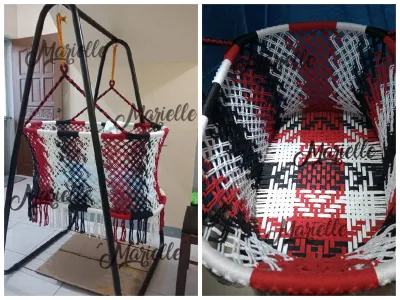
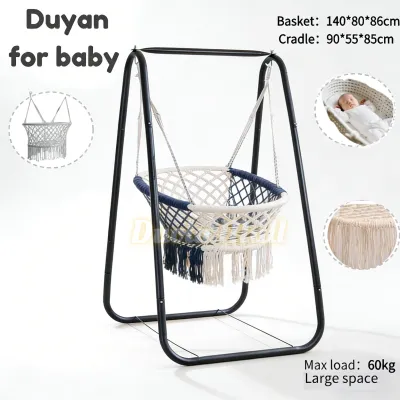
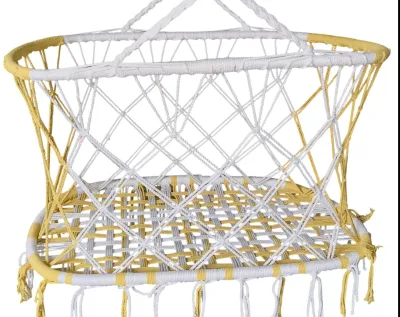
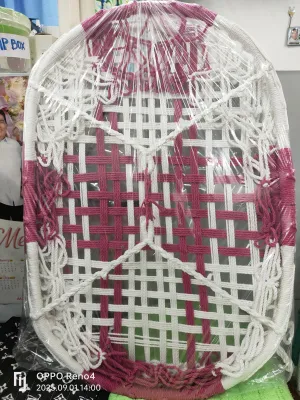
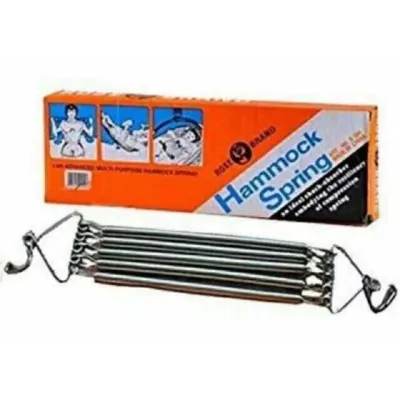

Prices are valid at publication and may change. Please refer to the product page for the latest price.
Understanding the Traditional Baby Duyan
A traditional Filipino duyan is a suspended baby hammock crafted from woven fabric, a sturdy cloth blanket, or a breathable mesh sling. It is typically suspended from a ceiling joist, a heavy wooden structural beam, or a dedicated metal stand. The setup relies on ropes, springs, or heavy-duty S-hooks to allow a gentle, rhythmic rocking motion that mimics the movement of the womb.

Historically, the duyan has been highly valued in both rural and urban areas of the Philippines for its ability to calm colicky or restless infants. The wrapping effect of the fabric snuggly cradles the baby, which often helps them settle down quickly. In warm and humid tropical weather, lightweight mesh or cotton versions also allow air to circulate around the baby, keeping them cool during daytime rest.
It is important to distinguish a traditional cloth duyan from modern, commercially manufactured baby swings, bouncers, or rockers. Modern baby gear is designed with rigid plastic or metal frames, contoured flat backrests, and secure three-point or five-point safety harnesses to prevent sliding or slumping. In contrast, a traditional fabric duyan is entirely soft and flexible, lacking a solid structural base or safety straps to keep an infant securely positioned.
Potential Safety Risks for Newborns
Positional Asphyxiation
The primary danger of placing a newborn in a curved fabric hammock is positional asphyxiation. Newborns have relatively heavy heads and very weak neck muscles, meaning they cannot easily lift or adjust their heads if their airway becomes blocked. When a baby lies in a U-shaped duyan, the fabric sags under their weight, naturally curving their spine and forcing their chin down toward their chest.
This chin-to-chest position can easily compress the baby’s soft, narrow trachea, significantly restricting or completely cutting off their oxygen supply. Because positional asphyxiation can occur silently and without any visible struggle or gasping, a sleeping baby can suffocate within minutes without the caregiver realizing anything is wrong.
Suffocation and Entrapment
The loose, flexible fabric of a traditional hammock presents a severe suffocation hazard. If a newborn shifts, slides, or tilts slightly to one side, the soft cloth walls of the duyan can easily fold inward and press directly against their nose and mouth. Unlike older infants, newborns do not have the motor skills or strength to push the fabric away or roll themselves back into a safe position.
Furthermore, adding extra padding, folded blankets, or pillows to the duyan to make it feel softer only increases this danger. These loose items can easily create pockets where a baby’s face can become trapped, leading to rebreathing of carbon dioxide or complete suffocation.
Fall Hazards
Suspended hammocks carry an inherent risk of structural failure or tipping. Traditional setups often rely on manual knots, ceiling hooks, or aging hardware that can wear down over time due to friction, weight, and high tropical humidity, which can degrade ropes or rust metal components. If any part of the suspension system fails, the resulting fall can cause severe head and bodily injuries.
Additionally, because a traditional duyan has no safety harness, there is nothing to keep a baby from sliding out of the open sides. As infants grow more active, even minor movements can shift the center of gravity, causing the hammock to tilt sharply or flip over completely.
Spinal and Hip Development
A newborn’s bones, joints, and cartilage are soft and rapidly developing, requiring proper physical support. Pediatricians and orthopedic specialists raise concerns about infants spending prolonged periods on curved, unsupported surfaces. A flat, firm mattress allows the baby’s spine to rest in a natural position and encourages healthy muscle development.
When a baby is confined to a sagging hammock, their hips can be forced into an unnatural, straightened, and adducted position, which may interfere with proper joint alignment. For personalized guidance on your baby’s physical development and posture, always consult a qualified pediatrician.
Crucial Safety Precautions and Setup Guidelines
Constant Supervision
If you decide to use a duyan for baby soothing, you must maintain active, awake, and uninterrupted supervision at all times. This means an adult must be in the same room, keeping their eyes directly on the baby. Never leave the room to do chores, and never go to sleep while your baby is in the hammock.
If you find yourself feeling drowsy, immediately transfer your baby to a safe, flat crib or bassinet. The duyan should only be used as a temporary tool to calm a fussy baby while you are fully awake and attentive.
Secure Installation
Before placing your baby in any suspended duyan, thoroughly inspect the structural integrity of the entire setup. If you are anchoring the hammock to a ceiling, ensure the heavy-duty hook is screwed directly into a solid wooden ceiling joist or a concrete slab, rather than thin plywood or plasterboard.
If you are using a metal stand, place it on a completely flat, level floor and verify that the base is wide enough to prevent tipping. Regularly check all ropes, carabiners, S-hooks, and springs for signs of wear, fraying, or rust, and replace any compromised hardware immediately.
Fabric and Bedding
Use only a single layer of tight-weave, highly breathable fabric, such as 100% cotton or lightweight muslin, to construct the hammock. The fabric must be pulled tautly across its suspension points so that it does not create a deep, suffocating pocket around the baby.
Keep the inside of the duyan completely empty. Do not add pillows, rolled-up towels, stuffed toys, or thick comforters. If you want to keep your baby warm, dress them in a lightweight, fitted swaddle or sleep sack rather than placing loose blankets inside the hammock.
Height and Placement
Hang the duyan so that the lowest point of the fabric is only a few inches above the floor when the baby is inside. This low clearance minimizes the risk of serious injury in the event of an accidental fall or structural failure.
Ensure the swing path of the hammock is completely clear of any nearby hazards. Keep it positioned far away from walls, furniture corners, electrical outlets, household heaters, fans, and dangling window blind cords.
Time Limits
Restrict your baby’s time in the duyan to short, active soothing sessions of no more than 15 to 30 minutes. Once your baby has calmed down or fallen asleep, gently transfer them to their primary flat crib or bassinet for their main sleep. Do not allow the baby to remain in the hammock for extended naps or overnight rest.
When to Transition Away from the Duyan
Rolling Over
You must immediately stop using the duyan as soon as your baby shows any signs of attempting to roll over. This developmental milestone can occur as early as three months of age. Once a baby can roll, they can easily turn face-down into the flexible fabric or shift their weight enough to flip the hammock, presenting an extreme risk of suffocation or falling.
Weight and Size Limitations
Always adhere to the weight and size limits specified by the manufacturer if you are using a commercial stand or frame. For traditional, handmade setups, remember that as a baby grows heavier, they will cause the fabric to sag much lower, bringing them dangerously close to the floor and increasing the strain on the ceiling anchors.
Increased Mobility
As your baby becomes more physically active, kicks more vigorously, or attempts to push up on their hands, they outgrow the safe limits of a suspended hammock. An active baby can easily destabilize the duyan, causing it to swing uncontrollably or tip sideways, making it an unsafe environment for containment.
Recommended Safe Sleep Alternatives
Cribs and Bassinets
A standard baby crib, bassinet, or playpen is the safest sleep environment for a newborn. These options provide a completely flat, firm mattress that does not sag under the baby’s weight, keeping their airway open and fully supported. Ensure the mattress is covered only by a tightly fitted sheet that cannot pull loose.
Climate-Appropriate Sleepwear
In the warm, humid climate of the Philippines, preventing your baby from overheating is a key safety priority. Instead of using loose blankets, which can easily slide up and cover your baby’s face, dress them in lightweight, breathable cotton onesies or a thin wearable sleep sack. This keeps them comfortable and secure without introducing suffocation hazards.
Room-Sharing
Pediatric health organizations recommend room-sharing with your infant for at least the first six months of life. Place the baby’s crib or bassinet close to your bed, allowing you to easily monitor their breathing, soothe them, and feed them during the night, while ensuring they remain on their own safe, flat, and independent sleep surface.
Frequently Asked Questions (FAQ)
Can a baby sleep in a duyan overnight?
No, a baby should never sleep in a duyan overnight or during any unsupervised sleep period. Overnight sleep involves long hours where caregivers are also asleep and unable to monitor the infant. Because a duyan lacks a flat, firm surface, leaving a baby in it unsupervised overnight significantly increases the risks of SIDS, positional asphyxiation, and accidental suffocation against the fabric.
Is a duyan bad for a baby's spine?
Using a duyan for short, supervised soothing sessions is generally fine, but keeping a baby in a curved hammock for prolonged periods can be detrimental to their spinal development. Newborns need to lie on a flat, firm surface that supports the natural alignment of their rapidly growing spine and allows them to stretch and strengthen their muscles. For detailed advice regarding your child’s posture and bone development, consult a pediatrician.
How do I wash and maintain a traditional cloth duyan?
To maintain hygiene and safety, wash the fabric of the duyan regularly using a mild, hypoallergenic, baby-safe detergent to remove sweat, drool, and spit-up. In the humid Philippine climate, ensure the fabric is completely dry before hanging it back up to prevent the growth of mold or mildew. Regularly inspect the cloth seams for thinning or tearing, and check all metal hooks, springs, and ropes for signs of wear, fraying, or rust.
Community discussion
Share your experience or ask a question. Comments are reviewed before publication.