
Food-grade stainless steel is a highly safe, durable, and hygienic material for baby food, provided it meets recognized food-contact standards and is maintained correctly. Unlike plastic, high-quality stainless steel does not harbor bacteria, retain strong odors, or leach microplastics into warm meals. For parents navigating the weaning phase, a stainless steel bowl for baby offers a shatterproof alternative to glass or ceramic, making it well-suited for high-chair drops and daily self-feeding practice.
However, the safety of stainless steel is not universal. Its performance depends entirely on the specific alloy composition, the presence of verified food-safe certifications, and proper daily care. In tropical climates where high humidity can accelerate the degradation of low-quality metals, understanding how to select and maintain food-grade stainless steel is essential for protecting your child’s health.
Evaluating Stainless Steel Safety for Baby Meals
Stainless steel is widely favored in pediatric feeding because of its exceptional physical durability and non-porous surface. When a baby begins self-feeding, tableware is frequently dropped, thrown, or scraped with utensils. Stainless steel resists these impacts without cracking or chipping, eliminating the risk of sharp fragments ending up in your baby’s food or on the kitchen floor.
Products mentioned in this guide
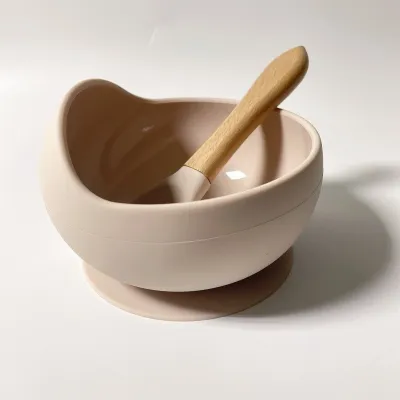
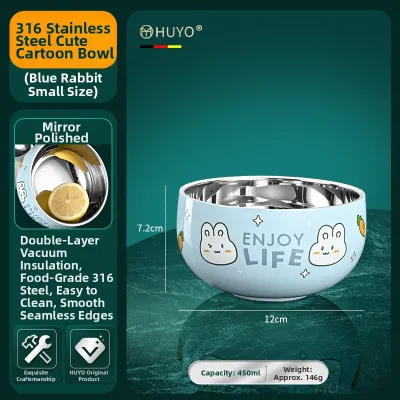
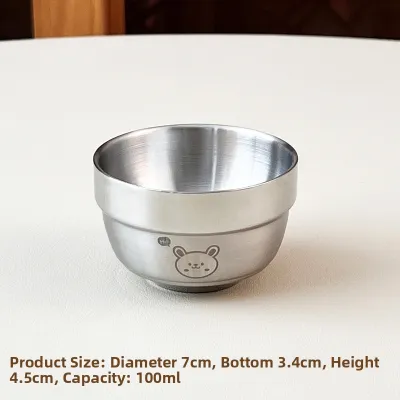
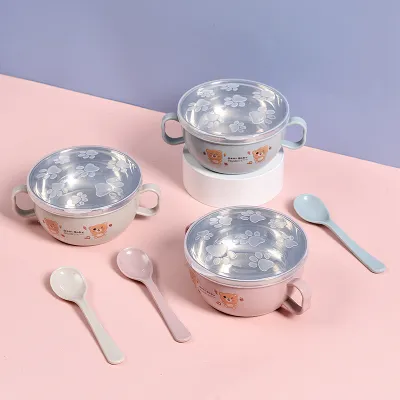
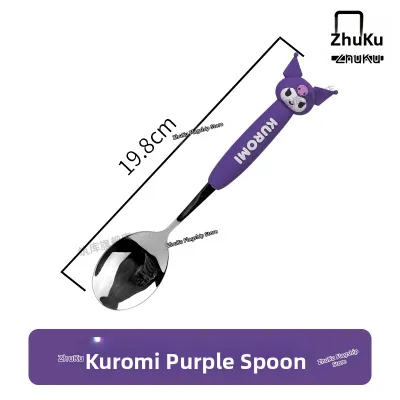
Prices are valid at publication and may change. Please refer to the product page for the latest price.
Despite its strength, certain conditions can compromise the safety of stainless steel. Deep scratches on the inner surface can disrupt the metal’s protective barrier, creating microscopic crevices where food particles and moisture can accumulate. Additionally, leaving highly acidic foods, such as tomato-based purees, citrus fruits, or vinegar-heavy dishes, in the bowl for extended periods can slowly interact with the metal surface.
It is critical to distinguish between general-purpose hardware steel and designated food-contact stainless steel. Hardware-grade steel is formulated for structural strength or decorative use and may contain higher levels of impurities, including trace heavy metals. Food-contact stainless steel is specifically refined to ensure that elemental migration remains well within safe, non-toxic limits during normal meal preparation and serving.
Identifying Food-Grade Grades and Markings
When shopping for a stainless steel bowl for baby, the most reliable way to verify material safety is by checking the numerical grade stamped on the product. Reputable manufacturers typically engrave or print these designations directly onto the bottom of the bowl or list them clearly on the product packaging.

Look for markings such as 18/8, 18/10, SUS304, or SUS316. The numbers 18/8 and 18/10 represent the percentages of chromium and nickel in the alloy, respectively. Chromium provides hardness and rust resistance, while nickel adds luster and enhances the metal’s resistance to corrosion. SUS304 (equivalent to 18/8) is the standard food-grade stainless steel used globally for kitchenware, offering an excellent balance of durability and chemical stability.
For enhanced protection, some premium baby bowls utilize SUS316, which contains molybdenum. This addition significantly improves resistance to acids and salts, making it highly durable against corrosion from savory baby foods. If a product lacks visible grade markings, uses vague descriptions like “premium metal,” or does not specify the alloy on the packaging, it is best to avoid using it for infant feeding.
Navigating Food-Safe Certifications and Claims
Many baby feeding products prominently feature labels like “BPA-free” or “phthalate-free.” While these claims are important for the plastic outer sleeves, silicone suction bases, or airtight lids that often accompany stainless steel bowls, they do not verify the safety of the metal itself. Parents must look for certifications that specifically validate the metal’s food-contact safety.
Reliable products carry certifications indicating compliance with international food safety authorities, such as the US Food and Drug Administration (FDA) or the European Union’s LFGB standards. These regulatory bodies conduct migration testing to ensure that heavy metals do not leach into food under simulated conditions of heat, acidity, and repeated use.
When purchasing tableware from online marketplaces or local department stores, prioritize official brand stores that readily display their compliance certificates. If the product listing does not show these credentials, you can message the seller or manufacturer directly to request their food-grade test reports. A transparent manufacturer will easily provide documentation verifying that their metal alloy meets food-contact safety standards.
Daily Usage and Cleaning Boundaries
Maintaining the integrity of a stainless steel bowl for baby requires gentle cleaning habits. Avoid using steel wool, abrasive scouring pads, or harsh chemical powders, as these tools create micro-scratches that damage the polished finish. Instead, wash the bowl using a soft sponge, warm water, and a mild, baby-safe dishwashing liquid.
In warm, humid environments, proper drying is essential to prevent cosmetic blemishes and surface degradation. After washing, rinse the bowl thoroughly to remove all soap residue, and dry it immediately with a clean cloth rather than letting it air-dry. This practice prevents the formation of water spots and guards against localized pitting corrosion over time.
Always review the manufacturer’s instructions regarding temperature limits and sterilization. While pure stainless steel can withstand high heat, many baby bowls feature double-walled insulation, rubber gaskets, or bonded plastic exteriors. Exposing these composite materials to boiling water sterilization, steam sterilizers, or high-temperature dishwashers can warp the plastic components, degrade the silicone seals, or trap water between the walls.
Signs It Is Time to Replace the Bowl
Although stainless steel is designed to last for years, it is not completely indestructible. Parents should perform regular visual and tactile inspections of their baby’s feeding bowls to ensure they remain in safe, usable condition.
Run a clean finger along the interior surface to check for deep scratches, rough patches, or pitting, which appear as tiny dark pinholes in the metal. Inspect the rim and base for any signs of rust or permanent discoloration that does not wash away with standard cleaning. A metallic odor or a persistent metallic taste in the food served from the bowl is a clear indicator that the protective surface layer has degraded.
If you detect deep scratches, rust spots, or structural damage, stop using the bowl for baby meals immediately. While the bowl may no longer be suitable for food contact, you can safely repurpose it for non-food household tasks, such as organizing small toys, holding craft supplies, or gardening, rather than throwing it away.
Frequently Asked Questions (FAQ)
Can I put a stainless steel baby bowl in the microwave?
As a general rule, standard stainless steel bowls must never be placed in a microwave. Metal reflects microwave radiation, which can cause electrical arcing, sparks, potential damage to your appliance, or even a fire hazard. However, some specialized baby bowls feature removable stainless steel inserts designed to be separated from their microwave-safe plastic outer shells. Always verify the manufacturer’s explicit instructions on the packaging before heating any part of the bowl, and only microwave components that are certified as microwave-safe.
Does stainless steel leach heavy metals into baby food?
High-quality, food-grade stainless steel (such as SUS304 or SUS316) is highly stable and formulated to minimize the migration of metals like nickel or chromium into food. Under normal serving conditions, the amount of metal migration is negligible and well within established safety limits. The risk of leaching only increases if you use low-grade, uncertified industrial metals, store highly acidic or salty foods in the bowl for long periods, or continue using a bowl that is heavily scratched, rusted, or structurally damaged.
Community discussion
Share your experience or ask a question. Comments are reviewed before publication.