
When preparing your baby’s nursery, it is natural to look for products that promise to help your little one sleep longer and more peacefully. Among the many bedding items available on the market, you might encounter the soothing pillow—a product often advertised as a way to comfort infants, prevent flat-head syndrome, or ease them into a deeper sleep. In a tropical climate like the Philippines, where high humidity and warm temperatures can make babies fussy, the promise of a specialized comfort cushion is highly appealing to tired parents. However, when it comes to infant sleep, safety must always take priority over comfort marketing.
The Short Answer: Is a Soothing Pillow Safe for Infants?
The direct and unequivocal answer from pediatricians and global child health organizations is no: a soothing pillow is not safe for an infant to use during sleep. Medical experts universally recommend that babies under the age of 12 months sleep on a surface that is completely flat, firm, and bare. Placing any type of pillow, cushion, or soft positioning device in your baby’s crib introduces severe physical risks that far outweigh any perceived comfort benefits.
While manufacturers often use terms like “soothing,” “orthopedic,” or “breathable” to market these products, these labels are not subject to standard medical safety approvals for sleep. A baby’s respiratory system and motor skills are highly vulnerable during their first year of life. No marketing claim or product design can override the foundational rules of safe infant sleep. To protect your baby from the risks of suffocation and Sudden Infant Death Syndrome (SIDS), keeping the sleep space entirely free of pillows is an absolute necessity.
Products mentioned in this guide
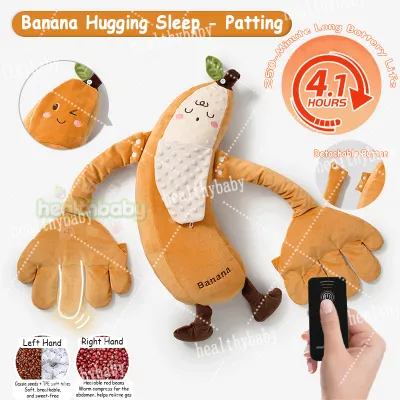
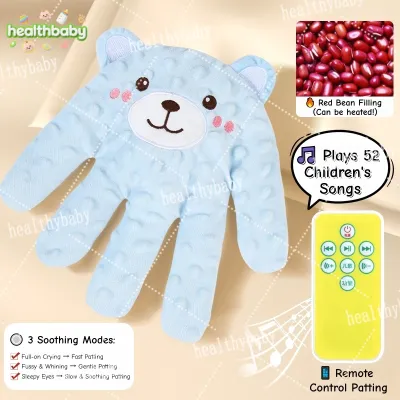
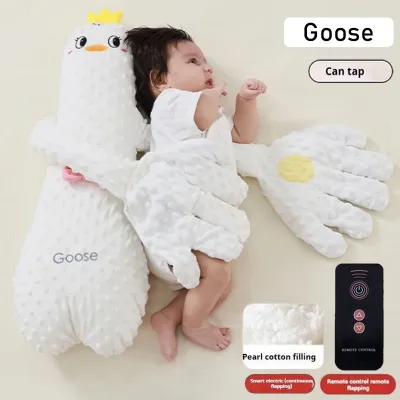
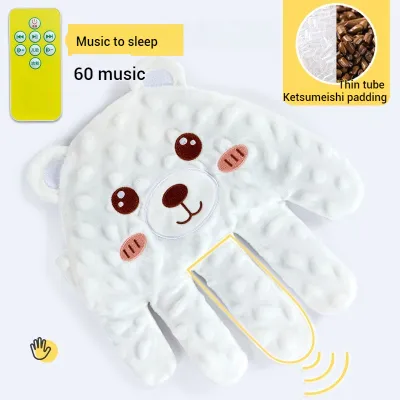
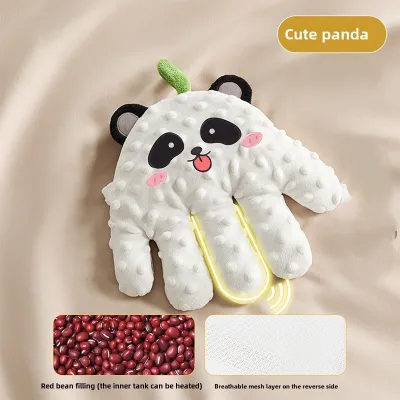
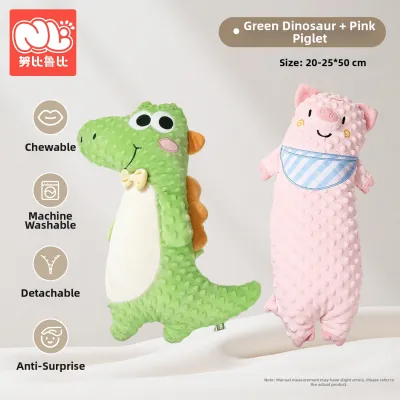
Prices are valid at publication and may change. Please refer to the product page for the latest price.
Understanding the Hidden Hazards of Soft Bedding
To understand why a soothing pillow poses such a significant threat, it helps to look at the physical mechanics of an infant’s sleeping body. Babies develop motor skills and muscle strength from the head down, meaning their neck muscles and coordination are highly limited during the first several months of life. What seems like a harmless, plush cushion to an adult can quickly become a life-threatening hazard for a baby.

Suffocation and Entrapment Young infants do not possess the head control or upper-body strength required to lift or turn their heads if their airway becomes blocked. If a baby rolls over slightly or shifts during sleep, their face can easily become pressed into the soft fabric of a soothing pillow. Once their nose and mouth are obstructed, they cannot pull themselves away. This physical entrapment can cause rapid suffocation, often silently, without the baby waking up or crying out to alert their parents.
Rebreathing and Carbon Dioxide Trapping Even if a pillow is marketed as “breathable,” soft materials can still trap a pocket of exhaled air around a baby’s face. When a baby sleeps with their face close to a soft cushion, they end up breathing in their own exhaled carbon dioxide instead of fresh oxygen. This phenomenon, known as rebreathing, leads to hypoxia (a dangerous drop in blood oxygen levels) and hypercapnia (an excess of carbon dioxide in the blood). Rebreathing can suppress the baby’s natural arousal reflex, preventing them from waking up when their body is deprived of oxygen.
Overheating in Tropical Climates In the Philippines, managing sleep temperatures is a constant challenge for parents. Soft bedding, including pillows and thick mattress toppers, naturally traps body heat and restricts airflow around the baby’s body. When a baby is placed on or next to a soothing pillow, the material can cause their core body temperature to rise rapidly. Overheating is a well-documented environmental trigger for SIDS, as it can cause a baby to fall into an abnormally deep sleep from which they cannot easily awaken.
Positional Asphyxia Some soothing pillows feature contoured, elevated, or inclined designs meant to cradle the baby’s head. While this might look comfortable, it poses a severe risk of positional asphyxia. An infant’s airway is highly flexible and about the width of a drinking straw. When a baby’s head is elevated or propped up by a pillow, their heavy head can easily tilt forward, forcing their chin down toward their chest. This simple physical bend can easily kink their narrow trachea, completely cutting off their oxygen supply without any visible struggle.
When Is It Actually Safe to Introduce a Pillow?
As your baby grows, their physical capabilities and anatomy change, eventually making the use of a pillow safe. However, parents should not rush this transition. Knowing when to safely introduce a pillow requires understanding both age guidelines and developmental milestones.
Age-Based Guidelines The general consensus among pediatricians is to wait until your child is at least 12 to 24 months old before introducing any pillow or soft bedding. Many experts recommend waiting even longer, specifically until your child transitions from a crib to a toddler bed. Before 12 months, the risk of SIDS and suffocation is at its peak; after the first year, this risk drops significantly as the child’s motor skills and self-rescue reflexes mature.
Developmental Milestones to Watch For Age is not the only factor to consider; your child’s physical development is equally important. Before you place a pillow in their bed, verify that your child can perform the following actions easily:
- Roll over from back to front and front to back completely unassisted.
- Sit up independently and adjust their own body position during sleep.
- Demonstrate strong neck control and head mobility.
- Actively seek out head support, such as resting their head on a soft toy or folded blanket during supervised awake play.
Choosing a Safe First Pillow When your child is developmentally ready and you decide to introduce a pillow, do not give them a standard adult pillow. Adult pillows are far too thick and soft, which can strain a toddler’s developing neck and spine. Instead, look for a specialized toddler pillow that meets the following criteria:
- Firmness: The pillow should be firm enough that it does not conform deeply to the child's face.
- Size: It should be small and low-profile, keeping their neck in a neutral alignment.
- Hypoallergenic materials: In humid environments, choose materials that resist dust mites and mold.
- Washability: Ensure the entire pillow, not just the cover, is machine-washable to maintain hygiene.
Always consult your local pediatrician or refer to national health guidelines in the Philippines to ensure your child has reached the appropriate developmental stage before making changes to their sleep environment.
How to Create a Safe, Comfortable Crib Without Pillows
It is common for parents to worry that a bare crib looks cold, hard, or uncomfortable. However, babies do not experience comfort the same way adults do. A firm, flat surface is highly comfortable for a baby because their spine is still developing and requires consistent support. You can easily create a cozy, inviting, and safe sleep space without relying on dangerous pillows or loose bedding.
The “Bare is Best” Rule The most effective way to prevent sleep-related accidents is to strictly enforce a bare crib policy. Your baby’s sleep environment should contain only three things:
- A firm, flat crib mattress that fits tightly within the crib frame without leaving gaps.
- A waterproof mattress protector (highly recommended to manage spills and diaper leaks).
- A tightly fitted sheet that wraps securely around the mattress and cannot pull loose.
Keep all other items out of the crib. This means absolutely no loose blankets, flat pillows, soothing pillows, stuffed animals, sleep positioners, or crib bumpers. While crib bumpers are often sold in bedding sets, they present the exact same suffocation, entrapment, and strangulation risks as pillows and should never be used.
Proper Sleepwear and Wearable Blankets To keep your baby warm and secure without loose blankets, use a wearable blanket or baby sleep sack. These garments zip up over your baby’s clothes, keeping their arms and torso cozy while leaving their head and neck completely free. When shopping for a baby sleep sack in the Philippines, pay close attention to the fabric. Opt for lightweight, breathable materials such as organic cotton, bamboo, or muslin. Check the Thermal Overall Grade (TOG) rating; a rating of 0.5 TOG or lower is ideal for warm, tropical nights, ensuring your baby stays comfortable without any risk of overheating.
Managing the Room Environment Instead of adding soft layers to the crib, focus on controlling the room’s climate. Use a fan or air conditioner to maintain a stable, comfortable temperature in the nursery. If you use a fan, make sure it is clean and positioned to circulate the air in the room without blowing directly onto the baby’s crib. Dress your baby in a single layer of breathable clothing, such as a lightweight cotton onesie, underneath their sleep sack.
The Back-to-Sleep Position Always place your baby on their back for every single sleep session, including daytime naps. Back sleeping keeps the airway fully open and prevents the baby’s face from accidentally turning into the mattress. Once your baby is strong enough to roll from their back to their stomach and back again on their own, you do not need to flip them back over if they roll during the night, provided their crib is completely bare.
Proven and Safe Ways to Soothe Your Baby to Sleep
If you are struggling with a fussy baby who resists sleeping on a flat, bare mattress, you do not need to turn to a soothing pillow. There are several safe, evidence-based soothing techniques that can calm your baby and encourage healthy sleep habits without introducing physical hazards to the crib.
Safe Swaddling and Transitioning For newborns and young infants, swaddling is a highly effective way to mimic the snug, secure feeling of the womb. Swaddling helps prevent the startle reflex (Moro reflex) from waking your baby. However, safety is critical: wrap the swaddle snugly around the chest but leave enough room around the hips and knees for natural movement. Most importantly, you must stop swaddling immediately at the first sign of your baby attempting to roll over. At this point, transition them to an arms-free baby sleep sack to ensure they can use their arms to adjust themselves if they roll.
Using White Noise Babies are accustomed to the constant, rhythmic sounds of the womb, which can make a completely silent room feel unsettling. A white noise machine can provide a comforting auditory background that masks sudden household noises, such as street traffic, barking dogs, or family members moving around. To use white noise safely, place the machine at least two meters away from the crib, keep the volume set to a low, conversational level (under 50 decibels), and turn it off once your baby is sound asleep if preferred.
The Protective Power of Pacifiers Offering a pacifier at naptime and bedtime is a simple, safe way to soothe a baby’s natural sucking reflex. Interestingly, multiple pediatric studies have shown that pacifier use during sleep is associated with a significantly reduced risk of SIDS. If you are breastfeeding, wait until breastfeeding is well established (usually around 3 to 4 weeks) before introducing a pacifier. Never attach a pacifier to your baby’s clothing, sleepwear, or crib using a ribbon, string, or clip during sleep, as these present serious strangulation hazards.
Establishing a Calming Bedtime Routine A consistent bedtime routine is one of the most powerful tools for signaling to your baby that it is time to sleep. In a warm climate, a gentle, lukewarm bath can help lower your baby’s core body temperature, which naturally triggers sleepiness. Follow the bath with a gentle massage using a baby-safe, fragrance-free lotion, dim the lights in the nursery, and spend a few quiet moments reading a book or singing a soft lullaby. Over time, this predictable sequence will help your baby wind down and transition to sleep smoothly on their safe, bare mattress.
Frequently Asked Questions (FAQ)
Can I use a soothing pillow for supervised tummy time?
Yes, you can use certain contoured cushions or play mats for tummy time, but only under strict conditions. Tummy time is an awake, active developmental exercise. If you use a support cushion to help prop your baby up during tummy time, you must maintain constant, direct adult supervision. Never leave your baby unattended, even for a moment, and never allow your baby to fall asleep on a tummy time cushion. If your baby begins to show signs of drowsiness or starts to fall asleep, immediately pick them up and transfer them to a flat, firm, and bare sleep surface like their crib or bassinet.
Are inclined sleepers safe for babies with acid reflux?
No, inclined sleepers, wedges, and elevated pillows are not safe for infants, even those diagnosed with gastroesophageal reflux (GERD). While it was once a common belief that elevating a baby’s head could reduce reflux symptoms, extensive medical research has proven that inclined sleep surfaces do not significantly improve reflux and instead introduce a high risk of positional asphyxia. If your baby suffers from reflux, the safest position for sleep remains flat on their back on a firm mattress. To help manage reflux safely, keep your baby upright for 20 to 30 minutes after feeding before laying them down, and consult your pediatrician for safe, medical reflux management strategies.
What should I do if my baby rolls onto a pillow or soft toy?
If you discover that your baby has rolled onto or against a pillow, soft toy, or loose blanket, you should immediately and gently remove the object from the crib and reposition your baby flat on their back. Do not panic, but treat this as an important warning sign. A baby who is mobile enough to roll into objects is at an increased risk of entrapment if those objects are left in their sleep space. Take this opportunity to perform a thorough safety audit of their crib: ensure there are absolutely no pillows, bumpers, toys, or loose sheets present, leaving only a firm mattress and a tightly fitted sheet.
Community discussion
Share your experience or ask a question. Comments are reviewed before publication.