
A portable folding bed offers unmatched convenience for families who travel, visit relatives, or need a flexible sleeping arrangement around the house. However, using a portable folding bed as a permanent, daily sleep space for your baby requires careful consideration of safety, durability, and structural limits. While these beds are highly practical for short-term trips or afternoon naps, they are generally designed with different structural standards than standard wooden cribs. Understanding the differences in design, mattress firmness, and wear over time is essential to keeping your infant safe during sleep.
Before deciding to use a portable folding bed for your baby’s daily sleep, you must evaluate the manufacturer’s explicit guidelines, the physical environment of your home, and the specific developmental stage of your child. In tropical climates like the Philippines, where high humidity and warm temperatures are common, factors such as ventilation, mold prevention, and material breathability become even more critical. By learning how to inspect these products and identify potential hazards, you can make an informed decision that prioritizes your baby’s safety and comfort.
Daily vs. Occasional Use: Understanding Safety Limits
When choosing sleep furniture for your baby, it is vital to distinguish between products engineered for occasional travel and those built for continuous daily use. Portable folding beds, often referred to as travel cribs or playards, are designed to be lightweight, collapsible, and easy to transport. To achieve this portability, manufacturers use lightweight metal frames, fabric joints, and thin, folding mattresses. While these materials are safe for temporary use, they may not be engineered to withstand the constant, repetitive stress of daily assembly, disassembly, and overnight sleep over several months or years.
Products mentioned in this guide
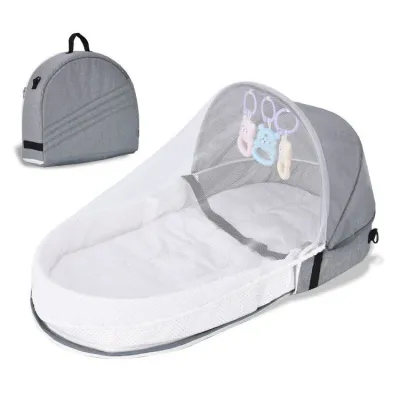
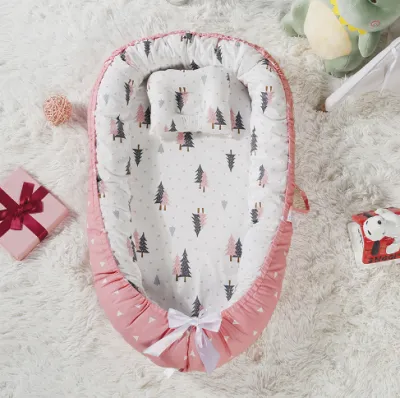

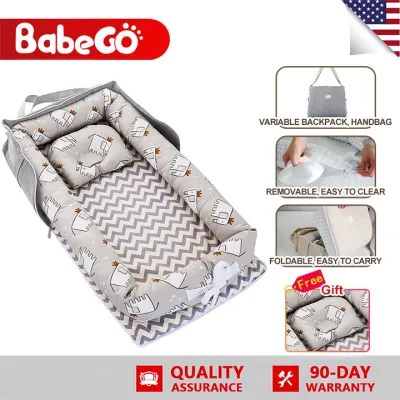
Prices are valid at publication and may change. Please refer to the product page for the latest price.
Standard wooden or heavy metal cribs are built to meet rigid structural standards that assume years of continuous daily use without material fatigue. In contrast, the joints, hinges, and locking mechanisms of a portable folding bed can experience wear and tear much faster when subjected to daily movement and the increasing weight of a growing baby. Over time, constant pressure on the fabric seams and folding joints can lead to sagging or structural instability. Parents must carefully read the manufacturer’s instruction manual to see if the product is explicitly rated for everyday sleep or if it is designated solely for travel and play.
Additionally, every portable folding bed comes with strict limits regarding the baby’s age, weight, and physical development. These limits are not mere suggestions; they are critical safety thresholds determined by structural testing. For instance, many portable beds have a lower weight limit for the elevated bassinet attachment than for the main bottom mattress. Once your baby reaches the weight limit or begins to roll over, push up on hands and knees, or sit up, you must immediately transition them to the lower level or a standard crib to prevent falls. Always locate the physical warning label printed directly on the fabric of the bed to verify these specific limits before placing your baby inside.
Critical Safety Features to Inspect Before Buying
Ensuring the safety of a portable folding bed requires a hands-on inspection of its structural components and design features. The first and most critical element to examine is the frame stability and the locking mechanisms. A safe folding bed must have secure, multi-step locking joints that cannot be accidentally disengaged by a sibling, a pet, or the baby’s own movements inside the bed. When setting up the bed, every lock must click firmly into place, and the frame should feel rigid and unyielding when you apply moderate downward and lateral pressure. If the frame wobbles, sways, or has locks that slip easily, the bed poses a risk of sudden collapse.

In warm and humid tropical environments, mesh breathability is another indispensable safety feature. The side panels of the portable bed should be made of a fine, tightly woven mesh that allows continuous airflow throughout the sleeping area. This ventilation is crucial not only for keeping your baby cool in warm weather but also for preventing suffocation if the baby rolls over and presses their face against the side of the bed. Inspect the mesh to ensure there are no large gaps, loose threads, or tears that could catch on tiny fingers, buttons, or pacifier clips. The mesh should extend all the way down to the mattress level to ensure constant airflow at the sleeping surface.
Rather than relying on marketing claims on the packaging or online marketplace listings, parents should look for physical certification labels on the product itself. Reputable manufacturers print safety compliance information directly on the fabric or frame of the bed, indicating that the product has been tested by recognized independent safety organizations. These labels verify that the bed meets strict international standards for stability, non-toxic materials, and flame resistance. If a portable bed lacks clear manufacturer labeling, contact information, or safety warnings printed on the product, it is best to avoid using it for your baby’s sleep.
Mattress Fit and Bedding Risks
One of the most common safety hazards associated with portable folding beds involves the mattress and the surrounding bedding. Unlike standard cribs, which use thick, heavy mattresses, portable beds require thin, firm mattresses that fold or roll up for transport. This firmness is intentional and necessary; soft sleeping surfaces pose a severe suffocation risk for infants who cannot yet lift their heads. Parents must resist the temptation to add extra padding, quilts, or aftermarket mattresses to make the bed cozier. Adding unauthorized mattresses can create dangerous gaps where a baby can become trapped and suffocate.
To ensure the mattress fits safely within the frame, you should perform the simple gap test. Place the mattress flat inside the fully assembled bed and attempt to slide your fingers between the edge of the mattress and the fabric side panels. If you can fit more than two fingers into the gap, the mattress is too small for the frame, creating a high risk of entrapment. Only use the exact mattress supplied by the manufacturer for that specific model of folding bed. Never use folded blankets, pillows, or mattress toppers to fill in gaps or soften the sleeping surface, as these items can easily shift and block your baby’s airway.
Keeping the sleep surface completely bare is a fundamental rule of safe infant sleep that applies equally to portable folding beds. The sleeping area should contain nothing but the firm mattress and a tight-fitting sheet designed specifically for that mattress model. Loose blankets, pillows, bumper pads, stuffed animals, and soft toys must be kept out of the bed entirely. In tropical climates, instead of using loose blankets to keep your baby comfortable in air-conditioned rooms, opt for a lightweight, breathable sleep sack or wearable blanket. This ensures your baby stays warm without the risk of loose fabric covering their face during the night.
Safe Setup and When to Transition Out
Proper assembly and placement are just as important as the physical features of the portable folding bed. Always follow the manufacturer’s step-by-step instructions during setup, as skipping even a single step can compromise the bed’s structural integrity. Many folding beds require a specific sequence of locking the top rails before pushing down the center floor hub; failing to follow this sequence can prevent the joints from locking fully, leading to an unexpected collapse. Before placing your baby inside, double-check every rail and joint to confirm they are completely rigid and locked.
The placement of the portable bed within your home also requires careful planning. Set up the bed on a flat, level, and stable floor surface to prevent it from tipping over. Avoid placing the bed near windows where your baby could reach window blind cords, curtains, or electrical wires, which present severe strangulation hazards. Additionally, keep the bed away from wall outlets, heaters, fans, and low-hanging decorations. In humid areas, ensure the bed is placed in a well-ventilated spot to prevent the buildup of moisture and mold on the fabric panels, especially if the bed is positioned near an air conditioner or humidifier.
Knowing when to stop using the portable folding bed is crucial for preventing falls and injuries. As babies grow, their physical capabilities change rapidly, and a bed that was safe a month ago may no longer be secure. You must transition your baby out of the portable bed immediately when they show signs of being able to climb out, pull themselves up to a standing position, or when their height or weight reaches the maximum limits specified by the manufacturer. Regularly inspect the bed for signs of wear, such as frayed seams, torn mesh, or loose locking joints, and discontinue use immediately if any damage is detected.
Frequently Asked Questions (FAQ)
Can a portable folding bed completely replace a standard crib for everyday sleep?
A portable folding bed is generally not recommended as a permanent, long-term replacement for a standard wooden or metal crib. Standard cribs are engineered with rigid, heavy-duty materials designed to withstand years of continuous daily use and the physical activity of a growing toddler. Portable beds, while safe for travel and short-term use, feature fabric joints, folding mechanisms, and lightweight frames that can wear out, sag, or lose structural integrity over months of daily sleep. To determine if a specific portable bed can be used daily, you must consult the manufacturer’s product label and user manual. If the documentation does not explicitly state the product is rated for permanent daily sleep, it should be reserved for travel and occasional naps.
What should I do if the folding bed's locking mechanism feels loose or difficult to engage?
If you notice that any locking joint or rail on your portable folding bed feels loose, fails to click securely into place, or requires excessive force to engage, you must stop using the bed immediately. A faulty locking mechanism poses a severe risk of sudden collapse, which can trap or injure your baby. Do not attempt to perform DIY repairs, use tape, or apply temporary fixes to secure the frame, as these methods are highly unsafe for infant sleep equipment. Instead, contact the manufacturer directly to inquire about replacement parts, warranty coverage, or repair services. If the product is older, worn out, or cannot be repaired by the manufacturer, it must be discarded and replaced to ensure your baby’s safety.
Community discussion
Share your experience or ask a question. Comments are reviewed before publication.