
Determining whether a slow flow nipple is appropriate for your baby goes beyond simply matching their age to a package label. While options like the Pigeon slow flow nipple are generally designed for newborns or infants just starting bottle-feeding, the true indicator of the right size is your baby’s actual feeding behavior. In tropical climates like the Philippines, where maintaining proper hydration and comfortable feeding routines is essential, understanding your baby’s unique feeding cues becomes even more critical. This guide will help you observe your baby’s swallowing rhythm, identify signs of frustration or choking, and decide whether to stick with a slow flow, size up, or consult a professional before making your next purchase.
Understanding Slow Flow Nipples and Manufacturer Age Guidelines
Slow flow nipples are specifically engineered to regulate the rate at which milk or formula is delivered to an infant. The primary design characteristic of a slow flow option is a smaller hole size, which limits the volume of liquid passing through with each suck. This design closely mimics the natural pacing of early breastfeeding, allowing newborns to coordinate their sucking, swallowing, and breathing without being overwhelmed by a sudden rush of fluid. For parents introducing a bottle for the first time, this controlled flow helps establish a safe and comfortable feeding pattern.
When shopping for bottle accessories, you will find that manufacturers provide age guidelines on their packaging. For instance, a slow flow nipple is often labeled for infants aged zero to three months. While these age brackets serve as a helpful starting reference, they should never be treated as strict, universal rules. Every infant develops at a unique rate, and their physical size, oral anatomy, and sucking strength do not always align perfectly with chronological age.
Products mentioned in this guide
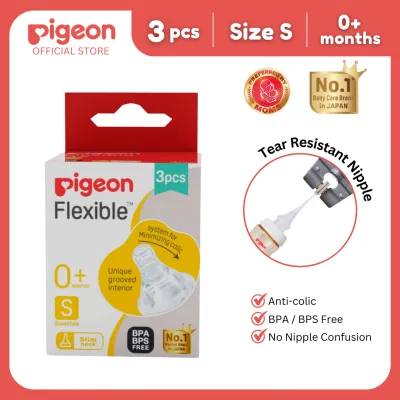
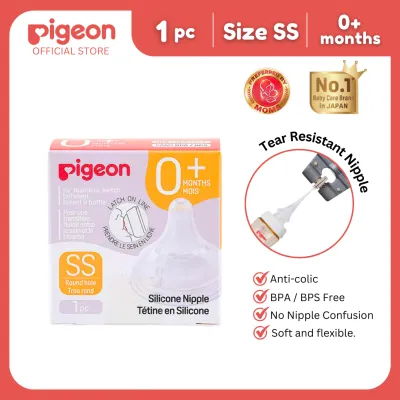
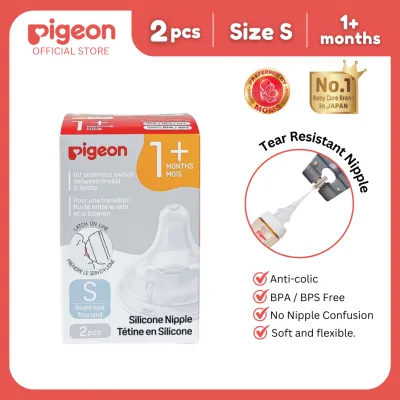
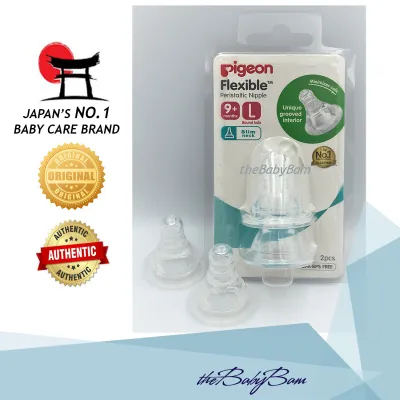
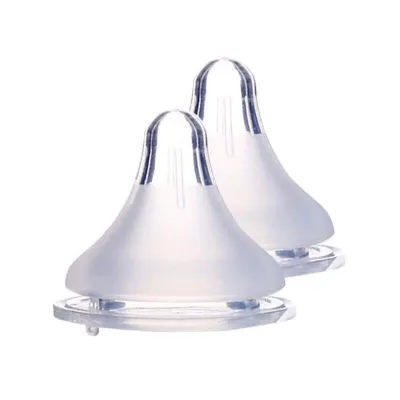
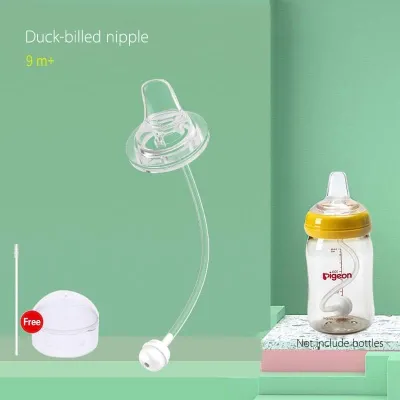
Prices are valid at publication and may change. Please refer to the product page for the latest price.
A baby’s actual sucking strength and feeding history are far more critical decision factors than the number of weeks since birth. A vigorous sucker might find a slow flow nipple too restrictive even at a few weeks old, while a premature infant or a baby with a gentler suck may comfortably use a slow flow option for several months. Additionally, babies who are mixed-feeding—alternating between breast and bottle—often benefit from staying on a slow flow nipple longer to maintain a consistent sucking effort across both feeding methods. Always check the specific manufacturer’s packaging and instructions to verify the intended flow rate and design features before introducing a new nipple to your baby.
Signs Your Baby Needs a Slow Flow Nipple
Observing your baby’s swallowing rhythm during a feed is the most reliable way to assess if a slow flow nipple is safe and appropriate. During a comfortable feeding session, a baby should exhibit a steady, relaxed rhythm of sucking, swallowing, and breathing. Their breathing should remain calm, and their facial muscles should look relaxed rather than tense. If your baby can swallow comfortably without rushing, pausing excessively, or showing signs of panic, the flow rate is likely well-suited to their current developmental stage.

Conversely, if the flow is too fast for your baby’s swallowing capacity, they will display clear danger signs. Watch closely for coughing, gagging, or gasping for air during a feed. You may also notice excessive spitting up, milk leaking continuously from the corners of their mouth, or the baby pulling away from the bottle in distress. In a warm and humid environment, feeding distress can quickly lead to overheating and increased fussiness, making it vital to address these signs immediately. If you observe any of these behaviors, it is a strong indication that the current nipple flow is too rapid and you should transition to a slower flow option to prevent choking.
There are also specific scenarios where a slower pace is medically or developmentally necessary. Premature infants, babies recovering from respiratory illnesses, or those with oral coordination challenges often require the highly controlled delivery of a slow flow nipple to feed safely. In these situations, self-adjusting flow rates can carry risks. It is essential to defer to pediatric guidance or a certified lactation consultant who can evaluate your baby’s specific feeding mechanics and recommend the safest flow rate for their needs.
Signs It Is Time to Move Up to a Faster Flow
Just as a flow that is too fast poses safety risks, a flow that is too slow can cause significant feeding frustration. When a baby outgrows a slow flow nipple, they must exert excessive physical effort to draw milk from the bottle. You can identify this issue by watching for signs of frustration during feeds, such as fussiness, crying, or pulling and biting at the nipple. Some babies may even fall asleep before finishing their feed, not because they are full, but because the physical exertion of sucking through an overly restrictive opening has exhausted them.
Another key indicator is the duration of the feeding session. A typical, efficient bottle feed should generally take between fifteen and thirty minutes. If your feeding sessions are consistently stretching past forty minutes and your baby is still showing signs of hunger, the nipple flow is likely too slow. Prolonged use of an inadequate flow rate can lead to negative feeding associations, bottle refusal, and in some cases, inadequate weight gain because the baby gives up on feeding before receiving enough nutrition.
To transition safely to a faster flow, such as a medium flow nipple, plan the change during a calm feed when your baby is alert but not overly hungry or distressed. Introduce the new nipple and monitor their adjustment closely during the first few feeds. Be prepared for a brief adjustment period as they adapt to the increased volume, but watch carefully for any signs of coughing or overflowing milk. If they adjust smoothly, you can permanently transition to the faster flow; if they struggle, return to the slow flow and try again in a week or two.
How to Choose, Test, and Verify the Right Nipple
Before purchasing a new nipple, it is important to run through a practical pre-purchase checklist to ensure compatibility and safety. Verify the flow rate label on the packaging, the recommended age range, and the material composition. High-quality nipples are typically made from durable, food-grade silicone, which resists degradation from frequent sterilization. Ensure the nipple is fully compatible with your existing bottle system, as mixing brands can sometimes lead to leaks or improper venting. When purchasing in the Philippines, check authorized retail channels or reputable online marketplaces to ensure you are getting genuine products, verifying that the price in ₱ aligns with standard retail rates to avoid counterfeit goods.
Once you have purchased the correct nipple, implement a structured trial plan. Choose a feeding session where the environment is quiet and comfortable. In tropical climates, ensuring the room is well-ventilated or cooled can prevent the baby from becoming irritable due to heat, allowing you to focus purely on their feeding behavior. Offer the bottle gently, allowing the baby to draw the nipple into their mouth naturally. Observe their swallowing efficiency, checking that they are not swallowing excessive air or showing signs of panic.
Always establish clear stop conditions for your trial. If your baby experiences persistent choking, refuses the bottle entirely, or shows signs of poor weight gain over time, stop attempting to adjust the nipple sizes on your own. These issues can stem from latch difficulties, tongue ties, or other developmental factors that a different nipple flow cannot resolve. In such cases, consult a pediatrician or a pediatric feeding specialist immediately to receive a professional assessment and a tailored feeding plan.
Frequently Asked Questions (FAQ)
Can I use a slow flow nipple for an older baby?
Yes, older babies can continue to use a slow flow nipple if it suits their feeding style and comfort. This is particularly common for breastfed babies who receive occasional bottles, as maintaining a slow flow helps prevent bottle preference, ensuring they still work for their milk as they would at the breast. Always prioritize your baby’s individual feeding cues and comfort over generalized age charts.
How do I know if the nipple hole is clogged or just too slow?
To determine if a nipple is clogged, perform a simple visual and tactile check. Hold the clean nipple up to a light source and inspect the opening for any dried milk residue, mineral buildup from water, or physical damage. Gently squeeze the tip to see if the opening parts easily. To prevent clogging, follow a thorough cleaning routine using warm water, mild baby bottle cleanser, and a dedicated nipple brush, and replace the nipples regularly as recommended by the manufacturer or if you notice any stickiness, tears, or thinning of the silicone.
Community discussion
Share your experience or ask a question. Comments are reviewed before publication.