
The Short Answer: Is a New Born Pillow Set for Baby Safe?
Welcoming a new baby into your home often comes with an abundance of gifts, nursery decorations, and bedding bundles. Among these, a new born pillow set for baby is a common sight in local department stores and online marketplaces across the Philippines. However, from a medical and safety standpoint, the short answer is clear: newborn pillow sets are not safe for infants.
Pediatric health organizations worldwide, including safe sleep advocates in the Philippines, advise that babies should not sleep with any pillows, cushions, or soft bedding. Introducing these items into a crib before your baby reaches at least 12 months of age significantly increases the risk of Sudden Infant Death Syndrome (SIDS), suffocation, and entrapment. While these sets are often marketed as cozy, supportive, or essential for a beautiful nursery, a baby’s sleep environment must remain completely empty to ensure their safety.
Understanding the Risks: Suffocation and SIDS
To understand why a new born pillow set for baby poses such a severe hazard, it helps to look at how a newborn’s body develops during their first year. Many well-meaning parents assume that because adults prefer pillows for comfort, infants must need them too. In reality, a baby’s physiological structure is entirely different from an adult’s, making soft sleep surfaces inherently dangerous.
Products mentioned in this guide
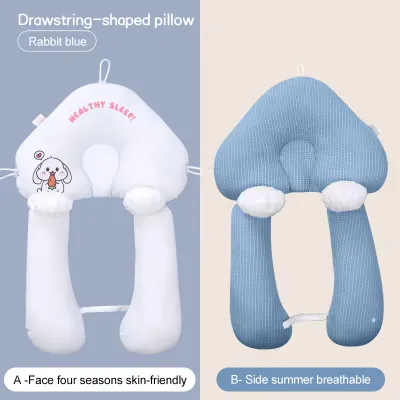
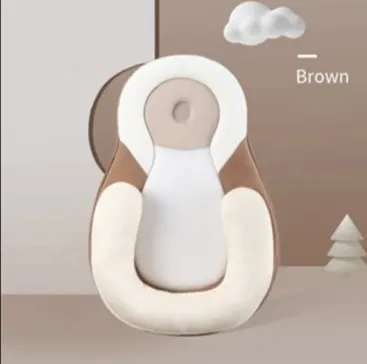
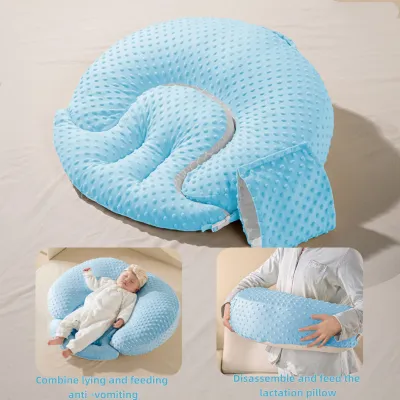
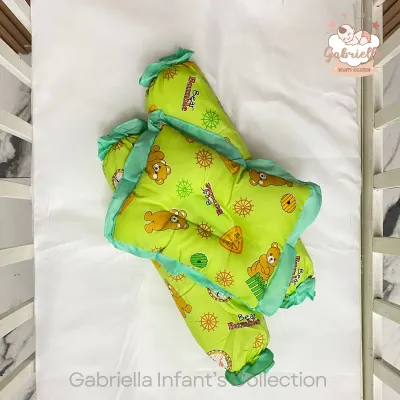
Prices are valid at publication and may change. Please refer to the product page for the latest price.

The Mechanics of Airway Obstruction
Newborns have very limited neck strength and motor control. During the first few months of life, a baby cannot easily lift or turn their head if their nose and mouth become covered by a soft object. If a baby rolls slightly or tilts their head onto a soft pillow, their face can sink into the fabric, leading to rapid suffocation.
Furthermore, a baby’s trachea (windpipe) is highly flexible and soft. If their head is propped up by a pillow, it can force their chin down toward their chest. This position, known as positional asphyxia, can easily crimp their narrow airway, cutting off their oxygen supply without making a sound. Parents should also know that marketing claims like “breathable,” “anti-suffocation,” or “organic mesh” do not eliminate these physical risks. If a pillow is soft enough to conform to a baby’s face, it remains an active hazard.
The Link to Sudden Infant Death Syndrome (SIDS)
Sudden Infant Death Syndrome (SIDS) is the unexplained death of a seemingly healthy baby, usually during sleep. Extensive pediatric research has established a strong link between SIDS and soft bedding materials. When a baby sleeps on or near a pillow, they can easily breathe in their own exhaled air. This leads to “rebreathing,” a dangerous scenario where the baby inhales carbon dioxide instead of fresh oxygen, leading to hypoxia.
In the tropical climate of the Philippines, temperature regulation is another critical factor. High humidity and warm temperatures mean babies can easily overheat, especially during the humid rainy season or the hot summer months. Soft pillows and heavy bedding trap body heat around the baby’s head and neck. Overheating is a well-documented risk factor that significantly elevates the chances of SIDS. Keeping the sleep surface completely flat and clear is one of the most effective, evidence-based ways to protect your baby.
Debunking the Head-Shaping Pillow Myth
One of the primary reasons parents purchase a new born pillow set for baby is the fear of flat head syndrome, medically known as positional plagiocephaly. Many commercial pillow sets feature a circular indentation in the center, claiming to prevent or correct flat spots on a baby’s soft skull.
However, major pediatric associations do not recommend these head-shaping pillows or sleep positioners. Not only do they fail to safely prevent plagiocephaly, but they also introduce the same suffocation risks as standard pillows. To safely prevent flat spots, pediatricians recommend simple, active alternatives:
- Supervised Tummy Time: Place your baby on their stomach on a firm mat while they are awake and you are actively watching them. This strengthens their neck, shoulder, and back muscles.
- Alternate Sleeping Directions: Change the direction your baby lies in the crib each night. Babies naturally turn their heads toward light sources or the door, so alternating their position encourages them to look both ways.
- Limit Time in Carriers and Seats: Avoid leaving your baby in car seats, strollers, or bouncers for extended periods when they are awake, as these put continuous pressure on the back of the skull.
Building a Safe Crib: What Your Newborn Actually Needs
Creating a safe sleep environment is about stripping away the clutter and focusing on what your baby actually needs to sleep securely. The gold standard of safe infant sleep is represented by the “ABC” rules: Alone, on their Back, and in a safe Crib.
To set up a safe crib for your newborn, you only need three basic components:
- A Firm Mattress: The mattress should be firm enough that it does not conform to the shape of your baby's head or body. When you press down on it, it should spring back immediately.
- A Tight Fitted Sheet: Use only a sheet specifically designed to fit your crib mattress snugly, with no loose fabric or corners that can pull free.
- An Empty Space: There should be absolutely no pillows, loose blankets, quilts, bumper pads, stuffed toys, or sleep positioners inside the crib.
In the Philippines, keeping your baby warm without using loose blankets is a common concern, especially when sleeping in air-conditioned bedrooms or during the cooler amihan (northeast monsoon) months. Instead of a blanket, which can easily slide up and cover your baby’s face, opt for a wearable blanket or a sleep sack. These wearable garments keep your baby warm and cozy while keeping their head and face completely clear. Always verify that the sleep sack is the correct size for your baby’s current weight and height to prevent them from slipping down inside the garment.
When Can Your Baby Safely Start Using a Pillow?
As your baby grows, their physical proportions and motor skills will change dramatically. Parents often wonder when it is finally safe to transition their child to a more adult-like bedding setup.
The general medical consensus is to wait until your child is at least 12 to 24 months old before introducing a pillow. Many pediatricians recommend waiting even longer—until your toddler transitions from a crib to a toddler bed. At this stage, their neck muscles are strong, their airways are wider and less prone to compression, and they can easily roll, turn, and rescue themselves from uncomfortable positions.
When observing your toddler, look for physical signs of readiness:
- Their shoulders are broader than their head, meaning their head may tilt uncomfortably when lying on a flat surface.
- They naturally rest their head on a stuffed animal, a rolled blanket, or their own arms while sleeping or relaxing.
- They actively ask for a pillow or try to use yours.
When you do decide to introduce a pillow, choose one designed specifically for toddlers. It should be small, relatively flat, and firm. Avoid adult-sized pillows, feather pillows, or extremely soft memory foam, which can still pose safety risks for young toddlers. Always consult your pediatrician if you are unsure whether your child is developmentally ready.
What to Do With a New Born Pillow Set for Baby You Already Own
If you received a beautiful new born pillow set for baby as a gift or purchased one before learning about safe sleep guidelines, do not feel discouraged. You do not have to throw it away, but you must keep it completely out of your baby’s crib or sleeping area.
There are several safe, alternative ways to utilize these sets:
- Supervised Awake Activities: You can use a firm, flat insert or pillow from the set to prop your baby up slightly on the floor only while they are wide awake and under your direct, active supervision. This can be useful for taking milestone photos or interacting with family members.
- Tummy Time Support: Some small, firm cushions can be placed under your baby's chest during supervised tummy time to help them lift their head, provided you are right there next to them.
- Save It for Toddlerhood: Many of the decorative pillows in these sets are perfectly fine to use once your child reaches two years of age and transitions to a toddler bed. Store them in a clean, dry place in the meantime.
- Nursery Decoration: Place the pillow set on a rocking chair or shelf to add a touch of color to the nursery, ensuring it is well out of reach of the crib.
The most important rule to remember is that these items must never be left in the crib when your baby is sleeping, napping, or left unattended, even for a few minutes.
Frequently Asked Questions (FAQ)
Can I use a rolled-up towel instead of a pillow for my newborn?
No, you should never use rolled-up towels, folded blankets, or clothing under or around your newborn’s head. These makeshift items pose the exact same risks of suffocation, entrapment, and airway obstruction as commercial pillows. They can easily shift as your baby moves, creating dangerous pockets or covering your baby’s face.
Are wedge pillows safe for babies with acid reflux?
No, pediatric guidelines strongly advise against using wedge pillows, inclined sleep positioners, or elevated mattresses for infant reflux. Research shows that inclined surfaces do not effectively reduce reflux and actually increase the risk of the baby rolling over, sliding down, or slumping into a position that blocks their airway. If your baby suffers from frequent reflux, consult your pediatrician for safe, evidence-based feeding and management strategies.
Do babies need pillows for comfort like adults do?
No, babies do not need pillows to sleep comfortably. Because an infant’s head is relatively large compared to their shoulders, lying flat on a firm mattress keeps their spine and neck in a perfectly neutral, comfortable alignment. Adding a pillow forces their head forward, straining their neck and potentially closing off their airway.
Community discussion
Share your experience or ask a question. Comments are reviewed before publication.