
Is It Safe to Use a Kumot for a Newborn?
When preparing a nursery, many parents in the Philippines naturally look for a soft, comfortable kumot for baby to keep their newborn warm and cozy. However, pediatric safe sleep guidelines state clearly that loose blankets should not be used for newborns or any infant under the age of 12 months. During the first year of life, a baby’s sleep area must remain completely free of loose bedding to ensure a safe environment.
This strict 12-month rule is established by major pediatric associations worldwide to minimize serious sleep-related hazards. Introducing a loose blanket into a crib too early increases the risk of Sudden Infant Death Syndrome (SIDS) and accidental suffocation. While it is natural to worry about your baby feeling cold, especially in air-conditioned rooms, a bare crib is the safest choice for their development.
Caregivers should understand that a newborn’s physical limitations make loose fabrics highly dangerous. Infants do not have the motor skills to pull a blanket away if it accidentally covers their face. Keeping the sleep space clear of any loose items, including blankets, quilts, and sheets that are not securely fitted, is a vital step in protecting your baby.
Products mentioned in this guide
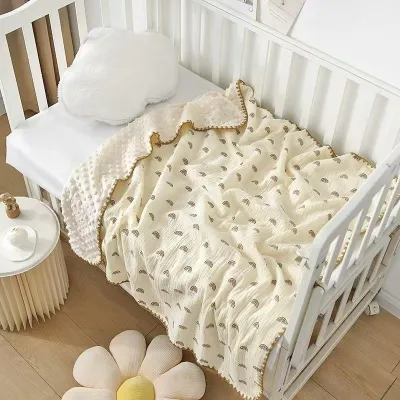
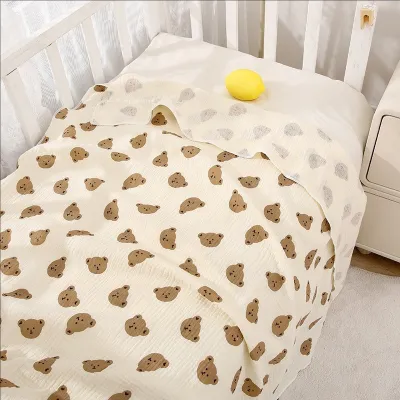
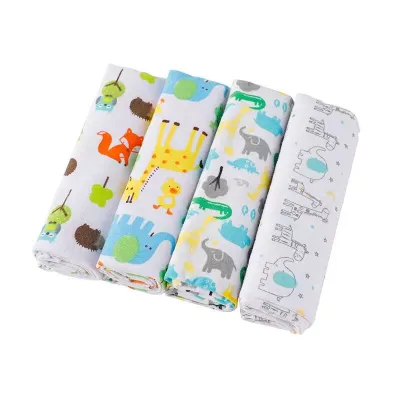
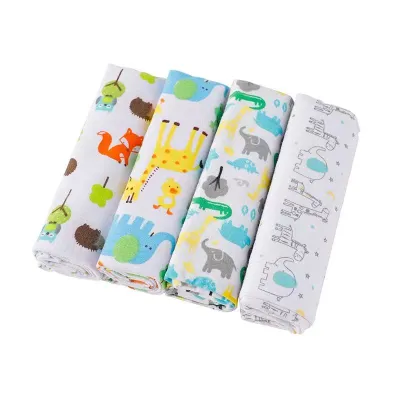
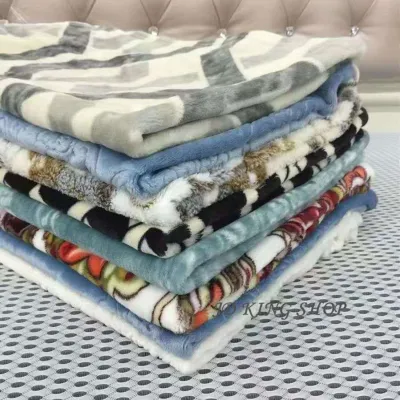
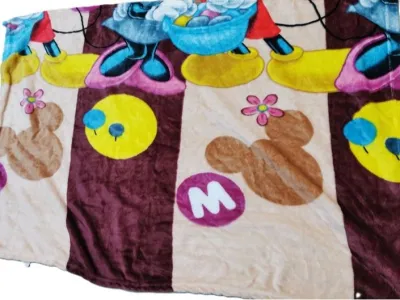
![99.9 BUY 1 TAKE 1 PESOS Fleece Blanket for Babies (70cm x 140cm) in Random Designs/Colours [71061-2]](https://img.lazcdn.com/g/p/2ded1f7614f819f162340fe73a03f14f.png_400x400q80.png_.webp)
Prices are valid at publication and may change. Please refer to the product page for the latest price.
Before purchasing any bedding accessories, always check the manufacturer’s age recommendations and consult your pediatrician if you have questions about your baby’s specific developmental stage. Every infant grows at a different pace, and professional guidance can help you make informed decisions about when it is appropriate to introduce new items to their sleep space.
Why Loose Blankets Pose a Suffocation Risk
Understanding the physical mechanics of safe sleep helps parents make informed decisions rather than simply following rules. When a loose blanket is placed in a crib, even a small amount of movement from a sleeping baby can cause the fabric to shift. If the blanket slides upward, it can easily drape over the infant’s nose and mouth, creating a physical barrier to their breathing.

Once the face is covered, a dangerous process known as rebreathing can occur. Instead of inhaling fresh oxygen, the baby breathes in their own exhaled carbon dioxide that has become trapped under the fabric. This lack of fresh air quickly leads to oxygen deprivation, which can be fatal for a young infant who cannot easily wake up or signal for help.
Furthermore, young infants lack the muscle strength, coordination, and reflexes required to extricate themselves from dangerous situations. If a heavy or loose kumot covers their face, they cannot use their hands to push it away or turn their head sufficiently to clear their airway. Their natural defense mechanisms are not yet fully developed, making them entirely dependent on a safe sleep environment.
In a tropical climate like the Philippines, loose blankets present an additional risk of overheating. High ambient temperatures and humidity, combined with heavy or non-breathable fabrics, can cause a baby’s body temperature to rise rapidly. Overheating is a major, documented risk factor for SIDS because it can cause an infant to fall into an abnormally deep sleep from which they cannot easily arouse.
When a baby overheats, their body struggles to regulate its temperature, which can suppress their natural breathing drive. This makes the combination of warm tropical weather and loose bedding particularly hazardous. To keep your baby comfortable and safe, it is essential to focus on temperature regulation through proper clothing and room ventilation rather than relying on heavy covers.
Safe Alternatives to a Traditional Kumot for Baby
Fortunately, parents do not have to choose between safety and comfort. There are several highly effective alternatives designed to keep your baby warm without the risks associated with a traditional loose kumot for baby. The most widely recommended option is a wearable blanket, commonly known as a sleep sack. These garments zip securely around your baby’s body, ensuring they stay in place and cannot ride up over the face.
When selecting a sleep sack, look for sleeveless designs. Sleeveless wearable blankets allow air to circulate freely around the baby’s arms and torso, which helps prevent overheating in warm climates. Always verify that the sleep sack fits correctly around the neck and armholes so the baby cannot slip down inside the garment. Refer to the manufacturer’s size and weight charts to find the correct fit for your baby’s current developmental stage.
For newborns, swaddling is another traditional and effective method to soothe the startle reflex and encourage restful sleep. Swaddling involves wrapping a lightweight blanket snugly around the baby’s body. However, caregivers must practice safe swaddling techniques to protect the infant’s physical health. The wrap should be secure around the upper body but loose enough around the hips and legs to allow the baby’s joints to bend and flex naturally.
It is critical to monitor your baby’s milestones closely when swaddling. Caregivers must stop swaddling immediately at the very first sign of the baby attempting or showing preparation to roll over. Once an infant can roll, being swaddled restricts their ability to use their arms to clear their airway if they turn onto their stomach, creating an immediate suffocation hazard. At this transition point, you should switch to a sleeveless sleep sack.
Choosing the right fabric is also essential for managing comfort in a warm, humid environment. Opt for highly breathable, lightweight materials such as 100% organic cotton, bamboo, or lightweight muslin. These fabrics allow air to flow naturally and help wick moisture away from the baby’s skin, reducing the risk of heat rashes and overheating.
Instead of relying on external covers, you can manage your baby’s warmth by dressing them in appropriate base layers. A simple, short-sleeved cotton onesie is often perfect for warm nights, while a long-sleeved footed sleeper made of breathable fabric can be paired with a lightweight sleep sack in air-conditioned rooms. Always check the manufacturer’s guidelines for thermal overall grade (TOG) ratings to ensure the sleep sack is suitable for your room’s temperature.
What to Look for in a Safe Baby Bedding Set
When shopping for nursery items, you will find many beautifully coordinated baby bedding sets. However, many commercial sets contain decorative items that are not safe for infant sleep. To create a secure sleeping space, parents must evaluate each component of a bedding set individually and prioritize safety over aesthetics.
The foundation of a safe sleep space is a firm mattress. A soft mattress can conform to the shape of a baby’s head and block their airway if they turn face down. To verify firmness, press your hand down on the center and corners of the mattress; it should feel solid and spring back instantly without leaving any indentation. Avoid using memory foam or soft mattress toppers for infants.
A safe bedding set must include a tight-fitting sheet designed specifically for the dimensions of your crib or bassinet mattress. The sheet should feature strong, continuous elastic edges that wrap deeply underneath the mattress. This ensures the sheet remains flat and taut, preventing it from bunching up or pulling loose when the baby moves or wiggles during sleep.
When setting up the crib, you must exclude several common bedding components. Do not place pillows, quilts, comforters, sheepskins, or stuffed toys in the sleep area. Additionally, crib bumpers—including padded, mesh, or braided varieties—should be completely excluded. While bumpers were historically used to prevent injuries, modern safety guidelines advise against them because they restrict airflow and present suffocation, entrapment, and climbing hazards.
Before placing the mattress into the crib, always check for a proper fit to prevent entrapment. Use the simple two-finger rule: if you can fit more than two fingers between the edge of the mattress and the inner frame of the crib, the mattress is too small. A gap larger than this creates a dangerous space where a baby’s head or limbs could become trapped.
Finally, verify that any bedding set or mattress you purchase complies with recognized safety standards. Look for certifications on the product labels and instructions. Always follow the manufacturer’s care guidelines for washing and maintaining the bedding to ensure the materials do not degrade, shrink, or lose their elastic tension over time.
Setting Up a Safe Sleep Environment
A safe sleep space extends beyond the crib itself to encompass the entire room environment. Pediatric guidelines strongly recommend room-sharing without bed-sharing for at least the first six months of your baby’s life. Placing your baby’s crib, bassinet, or cot in your bedroom allows you to monitor them closely and respond quickly to their needs while keeping them safe in their own dedicated sleep space.
Always place your baby on their back for every sleep period, including daytime naps. Back sleeping is the single most effective position to keep the airway open and reduce sleep-related risks. Once your baby is old enough to roll over confidently in both directions on their own, you do not need to flip them back, but you must always start them on their back.
Managing the ambient temperature of the room is essential for comfort and safety in tropical regions. You can safely use electric fans or air conditioning to keep the room cool and circulate the air. However, position the fan or AC unit so that the airflow does not blow directly onto the baby’s crib, as direct drafts can cause rapid temperature drops or discomfort.
In the Philippines, mosquito nets are a common household item used to protect babies from insect-borne illnesses. If you use a mosquito net over a crib or bassinet, you must ensure it is installed with extreme care. The net must be suspended securely from a ceiling hook or a sturdy frame, and the bottom edges must be tucked tightly under the mattress so it cannot fall onto the baby’s face or become entangled with their limbs.
Regularly inspect the sleep environment for potential hazards as your baby grows. Check the crib frame for any loose screws, splinters, or peeling paint, and ensure that cords from window blinds, baby monitors, or wall decorations are kept completely out of the baby’s reach. A safe sleep environment requires ongoing vigilance and adjustments as your child reaches new developmental milestones.
Frequently Asked Questions (FAQ)
When can my baby safely sleep with a kumot?
Most pediatric guidelines state that it is safe to introduce a light blanket or kumot once your baby reaches 12 months of age. However, many pediatricians recommend waiting until 18 months or even older. At this stage, toddlers have developed the motor skills, head control, and strength to easily push blankets away from their faces if their breathing is obstructed. When you do introduce a blanket, choose a small, lightweight option and ensure it is not tucked too tightly.
Are receiving blankets safe for newborns?
Receiving blankets are safe for newborns only when they are used correctly for swaddling. They should never be laid loosely over a sleeping baby or left draped in the crib. If you use a receiving blanket to swaddle your baby, ensure the wrap is secure and that you stop swaddling as soon as your baby shows any signs of trying to roll over. Once swaddling is discontinued, the receiving blanket should be removed from the sleep environment entirely.
How do I know if my baby is too hot at night?
To check if your baby is too hot, place your hand gently on their chest or the back of their neck. These areas provide a much more accurate indication of core body temperature than their hands or feet, which naturally feel cooler. Signs of overheating include sweating, damp hair, flushed cheeks, rapid breathing, or a heat rash. If you notice these signs, adjust the room temperature, turn on a fan to improve circulation, or dress your baby in lighter, more breathable clothing.
Community discussion
Share your experience or ask a question. Comments are reviewed before publication.