
A traditional duyan (baby hammock) is a deeply rooted cultural tool used to soothe infants, but standard pediatric guidelines do not classify it as a safe sleep surface for unsupervised or overnight use. While the gentle swaying motion can quickly calm a fussy newborn, the curved, flexible nature of a hammock poses significant risks, including airway obstruction and falls. If you choose to use a duyan for short, supervised daytime naps, you must implement strict safety precautions, inspect the setup constantly, and understand when to transition your baby to a standard flat crib.
Understanding the Duyan and Newborn Sleep Safety Principles
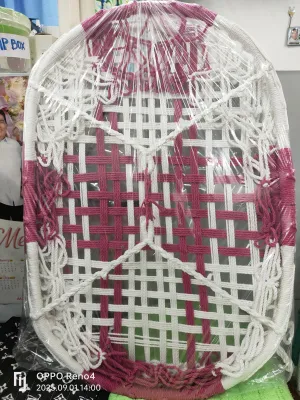
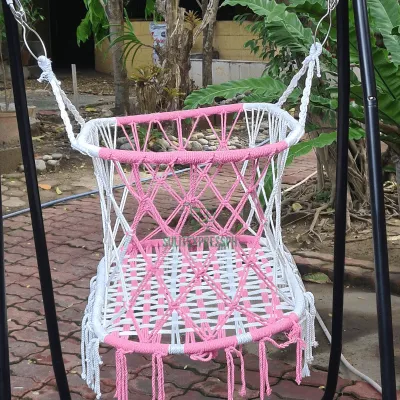
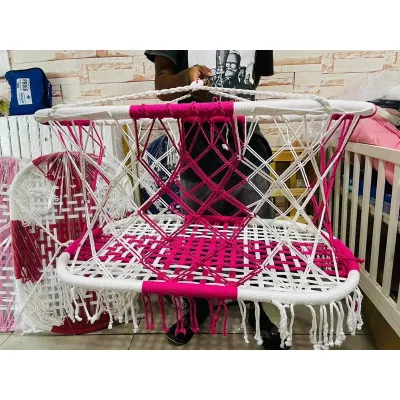
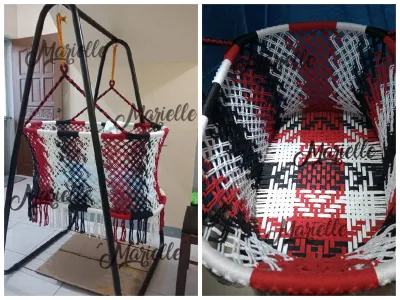
In many tropical households, the duyan has long been favored for its ability to mimic the rhythmic motion of the womb. Often crafted from woven rattan, breathable mesh, or soft fabric suspended from a ceiling beam or a sturdy wooden frame, it provides a cool, swaying environment that helps babies settle down in warm weather. For generations, families have relied on this traditional setup to comfort restless infants and encourage daytime rest.
However, modern pediatric safe-sleep guidelines emphasize a very different set of principles for infant sleep environments. To minimize the risk of Sudden Infant Death Syndrome (SIDS) and accidental suffocation, experts universally recommend that babies sleep on a firm, flat, and separate surface. This surface should be covered only by a tight-fitting sheet, completely free of loose blankets, pillows, bumper pads, or soft toys.
Products mentioned in this guide

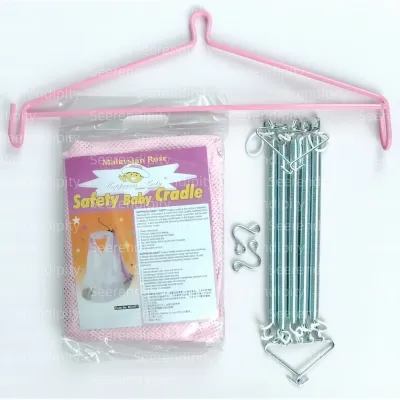
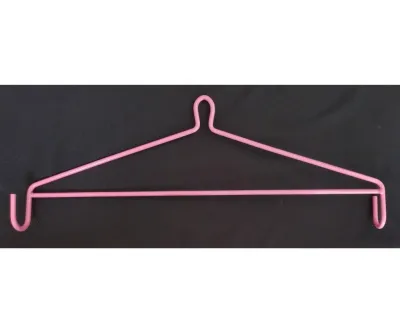
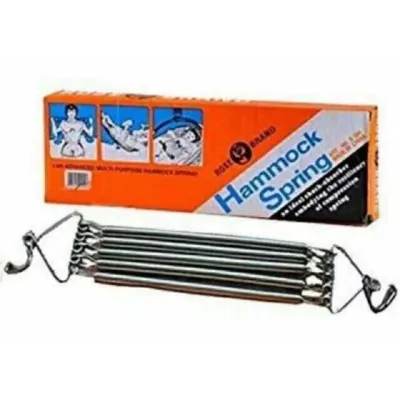
Prices are valid at publication and may change. Please refer to the product page for the latest price.
The fundamental design of a suspended, curved hammock directly contrasts with these established safety baselines. When a newborn lies in a duyan, the fabric naturally curves under their weight, causing their body to bow and their head to tilt forward. Because newborns lack the neck strength to lift or adjust their heads, this curved posture can compromise their breathing. Before introducing any non-standard sleep surface like a duyan, parents should consult a healthcare provider and carefully weigh traditional practices against current safety recommendations.
Potential Risks to Evaluate Before Using a Baby Hammock
The primary hazard associated with a curved sleep surface is positional asphyxiation. A newborn’s airway is highly flexible and about the width of a drinking straw. When the curved shape of the duyan forces the baby’s chin down toward their chest, the airway can easily kink or collapse. This type of airway obstruction is silent and can occur quickly without the baby showing any outward signs of distress, coughing, or struggling.

Fall and collapse hazards represent another significant risk when using a suspended hammock. The safety of a duyan depends entirely on the integrity of its suspension hardware, including ceiling hooks, anchor bolts, carabiners, springs, and ropes. Over time, constant swaying and dynamic movement can loosen anchors or wear down ropes. If any single component fails, the entire structure can collapse, leading to severe impact injuries. Furthermore, as a baby grows and begins to wiggle, they can shift the hammock’s center of gravity, causing it to tilt or flip.
Spinal and hip development must also be considered during a baby’s first few months of life. A newborn’s skeletal system is soft, pliable, and developing rapidly. Flat, supportive mattresses allow the spine to maintain its natural alignment and give the baby room to stretch and move their limbs freely. The restricted, curved posture imposed by a fabric hammock limits this natural movement and can place uneven pressure on developing hip joints and the spine.
Strangulation and entanglement risks are often overlooked in traditional setups. Many duyans feature long suspension cords, decorative tassels, or fabric ties that can easily find their way into a baby’s reach. If the fabric sides fold inward too tightly, they can press against the baby’s face, blocking airflow. Additionally, if you use a mesh duyan, the holes must be small enough to prevent the baby’s tiny fingers, toes, or clothing buttons from getting caught, which could cause injury or restrict circulation.
Essential Safety Precautions and Setup Checklist
If you choose to use a duyan for supervised daytime soothing, you must perform a rigorous hardware and structural integrity check before every single use. Inspect the ceiling mount, anchor bolts, carabiners, and ropes for any signs of wear, fraying, or loosening. Ensure that the mounting point is anchored into a solid structural beam rather than simple drywall. The entire assembly should be rated to support several times your baby’s weight to safely handle the dynamic forces of swaying.
Material inspection is equally critical to ensure a safe environment. Examine the fabric or mesh for breathability, strong seams, and tear resistance. Always verify the manufacturer’s or artisan’s specified maximum weight and age limits, and never exceed them. Before placing your baby in the duyan, wash the fabric with a mild, hypoallergenic, baby-safe detergent to remove any chemical residues, dust, or environmental irritants that could affect their sensitive skin or respiratory system.
Continuous, active adult supervision is an absolute requirement whenever your baby is in a duyan. A suspended hammock is never safe for unsupervised sleep, overnight rest, or times when the caregiver needs to sleep. An adult must remain in the same room with a direct, unobstructed line of sight to the baby at all times. This allows you to monitor their breathing, ensure their head remains in a safe, neutral position, and intervene immediately if they shift or show signs of discomfort.
Finally, make necessary environmental safety adjustments in the room where the duyan is installed. Position the hammock far away from window blinds, curtain cords, electrical outlets, wall decorations, and household appliances. Keep the area directly beneath and around the duyan completely clear of clutter, toys, or sharp objects. Ensure the duyan is placed away from high-traffic household pathways to prevent family members or pets from accidentally bumping into the suspended structure.
When to Stop Using the Duyan and Transition to a Crib
Recognizing when to discontinue using the duyan is vital for your baby’s ongoing safety. The most critical threshold is the onset of key motor milestones. The very moment your baby shows signs of rolling over, pushing up on their hands and knees, or attempting to sit up, you must stop using the duyan immediately. These movements can easily destabilize the hammock, causing it to swing violently, tilt, or flip over, which poses an immediate fall hazard.
Physical growth limits also dictate when it is time to transition. Keep a close eye on your baby’s weight and length relative to the duyan’s dimensions. If your baby approaches the maximum weight limit specified by the creator, or if their length causes them to look cramped or touch the ends of the fabric, the hammock is no longer safe. A baby who can push against the sides or ends of the duyan with their feet or hands can easily compromise its balance.
Regularly inspect the entire setup for physical wear and tear. Tropical humidity, heat, and repeated washing can gradually degrade fabric fibers, weaken stitching, and cause metal components to rust. If you notice any thinning fabric, loose threads, frayed ropes, or rusted metal parts, discontinue use immediately. Do not attempt makeshift repairs on critical structural components.
If your baby struggles to settle on a flat surface or if you have persistent concerns about their sleep quality, consult your pediatrician. They can offer safe, evidence-based guidance on sleep transitions and help you establish a healthy bedtime routine. Transitioning your baby to a standard, flat crib mattress ensures they have a safe, supportive environment that fosters healthy physical development and secure sleep.
Frequently Asked Questions (FAQ)
Can a newborn sleep in a duyan overnight or unsupervised?
No, a newborn should never sleep in a duyan overnight or unsupervised. Safe sleep guidelines emphasize that infants require a firm, flat surface for sleep to minimize the risk of Sudden Infant Death Syndrome (SIDS) and positional asphyxiation. Overnight sleep involves long periods where caregivers are also asleep and cannot monitor the baby’s breathing or detect if the baby’s chin has fallen onto their chest. Unsupervised use also leaves the baby vulnerable to sudden hardware failures or accidental tipping without immediate adult intervention.
How do I check if the duyan material is safe for a baby's skin and breathing?
To check the safety of the duyan material, hold the fabric up to your face and try to breathe through it; if you feel significant resistance, the material may not be sufficiently breathable. For mesh duyans, physically inspect the size of the holes to ensure they are small enough that a baby’s fingers, toes, or clothing buttons cannot get caught. Always wash the fabric with a mild, hypoallergenic, baby-safe detergent before the first use to remove any chemical residues, dust, or irritants that could trigger skin reactions or respiratory discomfort.
What should I do if my baby seems uncomfortable or restless in the hammock?
If your baby appears restless, fussy, or uncomfortable in the duyan, remove them immediately and place them on a safe, flat surface. Check for physical discomforts such as an overly curved back, a chin pressed too close to the chest, or signs of overheating, which is common in tropical climates when fabric wraps too tightly around the body. If adjusting the tension of the hammock does not resolve the restlessness, it is a clear sign that the duyan is not meeting your baby’s sleep needs, and you should transition them to a standard, flat crib mattress.
Community discussion
Share your experience or ask a question. Comments are reviewed before publication.