
Evaluating whether a baby nest is safe for infant sleep requires looking closely at how these products interact with standard pediatric safe sleep guidelines. While baby nests—often referred to as sleep pods or infant loungers—offer a cozy, portable spot for supervised daytime relaxation, they do not align with the strict criteria required for safe, unsupervised infant sleep. Pediatricians and global health organizations emphasize that infants should always sleep on a firm, flat, and bare surface. A baby nest, characterized by its padded bottom and raised, cushioned sides, introduces potential hazards that can compromise a baby’s breathing if they roll, shift, or turn their head. Parents must understand these risks and learn how to evaluate any bedding accessory before introducing it to their nursery.
The appeal of a baby nest is easy to understand, especially for tired parents looking for a convenient way to keep their newborn close. However, the soft, cocoon-like design that makes these products attractive is the very feature that raises safety concerns for overnight or unsupervised sleep. Understanding the distinction between active, supervised lounging and safe sleep environments is the first step in protecting your baby. By learning what to look for in terms of design, materials, and manufacturer warnings, you can make an informed decision that prioritizes your infant’s safety above all else.
Core Safe Sleep Principles to Guide Your Choice
To make an informed decision about baby nests, you must first understand the foundational principles of safe infant sleep. Pediatric health authorities worldwide agree that the safest sleep environment for a baby is a firm, flat, and completely bare surface. A firm surface ensures that the mattress does not conform to the shape of the baby’s head or face, which is crucial for keeping their airway open and unobstructed. If a sleep surface is too soft, it can allow the baby’s head to sink, potentially leading to a blocked airway if they turn onto their side or stomach.
Products mentioned in this guide
Prices are valid at publication and may change. Please refer to the product page for the latest price.
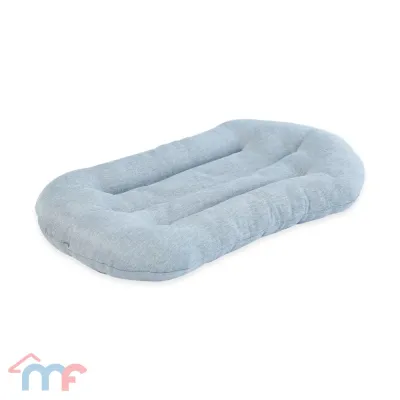
The raised, padded sides of a baby nest present a specific set of risks that conflict with these safe sleep guidelines. If an infant rolls or turns their head toward the plush bumper, their nose and mouth can become pressed against the soft fabric. This positioning can lead to suffocation or a dangerous phenomenon known as rebreathing. Rebreathing occurs when a baby breathes in their own exhaled carbon dioxide that has become trapped in the soft, porous folds of the surrounding fabric. This lack of fresh oxygen can quickly lead to hypoxia and other life-threatening situations without the caregiver realizing it.
Furthermore, safe sleep guidelines dictate that a baby’s sleep area must remain entirely free of loose bedding, pillows, toys, and positioning devices. A baby nest essentially combines a soft mattress pad with built-in pillows or bumpers, violating the “bare crib” rule. Because infants lack the neck strength and motor skills to pull themselves away from soft surfaces if they get stuck, any product that introduces padded borders into their immediate sleep space increases the risk of accidental entrapment. Keeping these core principles in mind allows you to evaluate any nursery product with a critical, safety-first mindset.
How to Inspect a Baby Nest’s Design and Materials
If you are considering purchasing a baby nest for supervised daytime use, physically inspecting the product’s design and materials is essential. Start by testing the firmness of the base mattress. Press your hand firmly into the center of the nest and observe how quickly the material recovers. If your hand leaves a deep, lasting impression or if the padding feels plush and pillowy, the base is too soft. A safe base should feel resilient, firm, and flat, providing solid support that does not allow the baby’s torso or head to sink.

Next, carefully assess the side bumpers. Examine their height, density, and how easily they compress. Bumpers that are exceptionally high or overly soft pose a greater risk of airway obstruction if your baby shifts during a nap. Look for a nest with low-profile, firm borders that maintain their shape under pressure. The connection between the base and the bumpers should also be seamless, without deep crevices or gaps where a baby’s head could become wedged or trapped.
In warm, humid tropical climates like the Philippines, fabric breathability is a critical safety and comfort factor. Padded bedding can easily trap body heat, leading to overheating, which is a recognized risk factor for sudden infant death. Inspect the inner fabrics and outer covers to ensure they promote adequate airflow. Opt for natural, lightweight materials such as organic cotton, bamboo, or specialized 3D mesh fabrics that allow air to circulate freely. Avoid heavy synthetic polyesters that trap sweat, moisture, and heat, as these can cause skin irritation, heat rash, and dangerous temperature spikes.
Finally, consider how the nest sits on a flat surface. If you plan to use it on the floor or a play mat, the bottom should have a non-slip grip to prevent it from sliding when you place the baby inside. If you are evaluating a nest that claims to fit inside other baby furniture, exercise extreme caution. Measure the dimensions carefully to ensure there are no gaps between the nest and the surrounding walls. However, keep in mind that placing a nest inside a crib or bassinet is generally discouraged by safety experts due to the high risk of entrapment in the resulting gaps.
Reading Manufacturer Labels and Usage Warnings
Before finalizing any purchase, you must thoroughly read the manufacturer’s labels, packaging, and instruction manuals. Responsible manufacturers will clearly state the intended use of the product and highlight any safety limitations. Look for explicit warnings regarding supervised versus unsupervised use. If a product is labeled “for supervised awake time only” or “not intended for sleep,” you must respect these boundaries. Avoid products that use vague marketing terms to imply sleep safety without backing them up with clear, actionable safety instructions.
Pay close attention to the specified age, weight, and developmental limits printed on the packaging. Most baby nests are designed for newborns and very young infants who cannot yet roll over or push themselves up. These limits are not suggestions; they are critical safety boundaries. Using a nest for a baby who has outgrown the physical dimensions or reached a new developmental milestone significantly increases the risk of falls, entrapment, and suffocation.
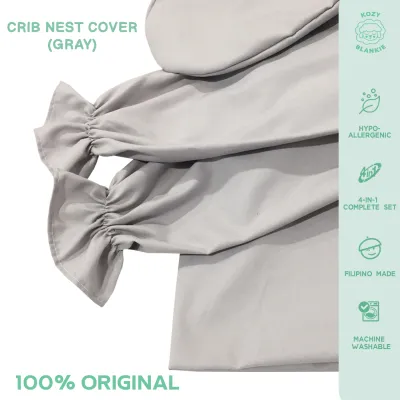
Additionally, review the care and washing instructions carefully. Because baby bedding requires frequent laundering to maintain hygiene, the nest’s cover must be easy to remove and wash. Verify that the cover fits tightly and securely over the inner cushion even after multiple wash cycles. If a cover shrinks, it can warp the frame of the nest, creating uneven surfaces. Conversely, if the cover stretches out or becomes loose, it can create dangerous folds of excess fabric that pose a suffocation hazard to a resting infant.
Appropriate Use Cases and When to Stop Using the Nest
A baby nest can be a highly practical addition to your nursery routine when used within its safe, intended limits. The most appropriate use case for a baby nest is supervised daytime lounging. It provides a comfortable, contained spot for your baby to rest on the floor while you fold laundry, read, or work nearby, keeping them within your direct line of sight. It also serves as an excellent prop for tummy time, helping to support your baby’s chest as they work on strengthening their neck and shoulder muscles under your close supervision.
However, you must be prepared to stop using the baby nest the moment your baby reaches key developmental milestones. The most critical signal to discontinue use is when your baby shows any signs of attempting to roll over, turn onto their side, or push up on their hands and knees. Once an infant gains this level of mobility, they can easily roll their face directly into the soft side bumpers or accidentally roll out of the nest entirely. This transition can happen unexpectedly, making constant vigilance and timely discontinuation vital.
When your baby outgrows the nest or begins to move independently, transition them fully to a standard, bare crib or bassinet mattress. This transition ensures they have a spacious, flat, and safe environment to sleep and practice their physical milestones without any restrictive barriers. While it may be tempting to continue using the nest to help them feel secure, prioritizing a bare sleep space is the most effective way to ensure their safety as they grow.
Frequently Asked Questions (FAQ)
Can a baby nest be placed inside a crib or bassinet for overnight sleep?
No, you should not place a baby nest inside a crib or bassinet for overnight or unsupervised sleep. Combining a baby nest with other sleep furniture creates dangerous gaps between the soft sides of the nest and the rigid walls of the crib or bassinet, presenting a severe entrapment hazard. Additionally, the soft, padded sides of the nest conflict directly with the bare-sleep guidelines recommended by pediatricians. Always check the specific manufacturer instructions for your crib and nest, and consult a pediatrician if you have questions about creating a safe sleep environment.
What should I do if my baby starts rolling over while using the nest?
If your baby starts showing signs of rolling over, you must stop using the baby nest immediately. Rolling increases the risk that your baby’s face will become pressed against the soft, padded side bumpers, which can lead to airway obstruction or suffocation. Transition your baby to a flat, firm, and bare crib mattress for all sleep and lounging times to ensure they have a safe space to move and roll freely without any hazardous barriers.

Community discussion
Share your experience or ask a question. Comments are reviewed before publication.