
Quick Answer: Is Insular the Right Sleep Sack for Your Baby?
Choosing the right wearable blanket is a critical decision for your infant’s sleep quality and physical safety. The insular baby sleep sack serves as an accessible, highly practical option designed for everyday use, making it an appealing choice for budget-conscious parents in the Philippines. It delivers the essential security and comfort features required for a safe sleep environment without the premium price tag associated with luxury boutique brands.
While Insular covers the fundamental requirements of safety and comfort, it is positioned as a utility-focused product. Premium or specialty brands in the market may offer advanced temperature-regulating fabrics, strict organic certifications, or highly precise, laboratory-tested Thermal Overall Grade (TOG) ratings. These high-end alternatives often cater to specific niche needs, such as severe skin conditions or highly controlled nursery climates.
Ultimately, the right choice for your household depends on your baby’s specific skin sensitivities, the temperature control of your nursery, and your target budget. If your child sleeps in a room with consistent, climate-controlled air conditioning, or if they require certified organic hypoallergenic materials, comparing different brand tiers is highly recommended. For parents seeking a reliable, functional, and cost-effective everyday option, Insular offers a compelling balance of value and performance.
Products mentioned in this guide
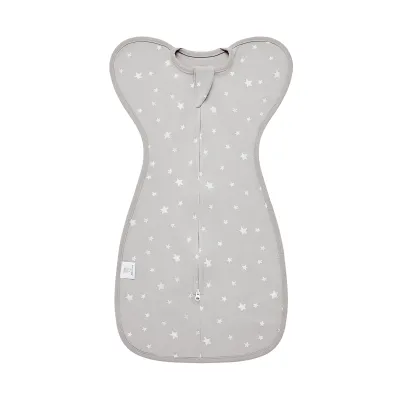
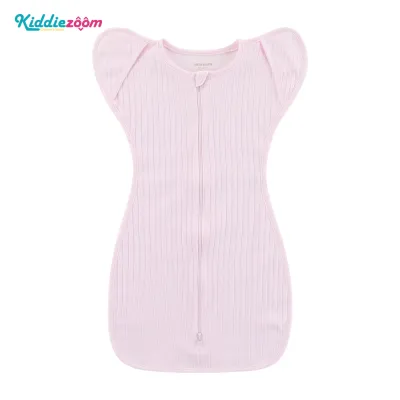
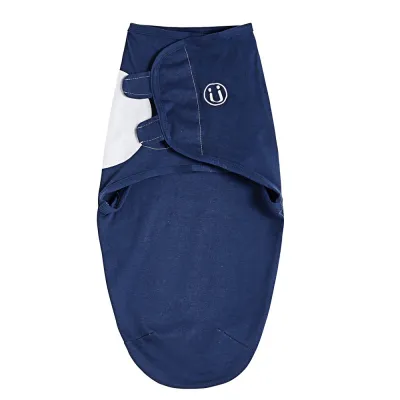
Prices are valid at publication and may change. Please refer to the product page for the latest price.
Core Dimensions for Comparing Baby Sleep Sacks
To make an informed decision, caregivers must look beyond attractive patterns and brand names. Evaluating any wearable blanket requires focusing on three non-negotiable pillars: thermal regulation, fabric safety, and physical fit. In a tropical climate characterized by high humidity and warm temperatures, these dimensions directly impact your baby’s physiological well-being and safety.

Overheating is a primary risk factor for infant sleep distress and is closely linked to sleep-related hazards. Therefore, understanding how different brands perform across these core dimensions is essential. By establishing objective criteria, you can evaluate whether a specific product aligns with your baby’s developmental stage and your home’s unique environmental conditions.
Thermal Regulation and Breathability
Thermal Overall Grade, or TOG, is a standardized measure of a textile’s thermal resistance, indicating how much warmth a sleep sack retains. Parents should always inspect the product packaging, physical labels, or the manufacturer’s official product documentation to verify the exact TOG rating before making a purchase. Relying on generic marketing terms like “cooling” or “breathable” is insufficient when assessing safety.
In the Philippines, where ambient temperatures often remain high throughout the year, lower TOG ratings ranging from 0.5 to 1.0 are generally recommended. These lightweight, unlined options allow for maximum airflow, helping to prevent dangerous heat retention while keeping your baby comfortably covered. If your nursery relies on natural ventilation, open windows, or electric fans rather than continuous air conditioning, opting for the lowest possible TOG rating is a critical safety measure.
Conversely, if your baby sleeps in a room with steady air conditioning set to lower temperatures, a slightly higher TOG rating or strategic layering of undergarments may be appropriate. To verify breathability claims, look for recognized textile weaves, such as loose muslin or open-grid knits, which naturally facilitate air exchange. Always monitor your baby’s physical cues, such as a damp neck or flushed cheeks, to ensure they are not overheating in their sleep environment.
Fabric Quality and Skin Sensitivity
The material that rests directly against your baby’s skin plays a significant role in preventing heat rash, friction, and contact irritation. Common materials available in the market include pure cotton, bamboo-derived rayon, and lightweight cotton-muslin blends. Each material offers distinct characteristics in terms of softness, durability, and moisture absorption.
However, parents must exercise caution and avoid assuming that a fabric is automatically hypoallergenic or chemical-free simply because it is labeled as natural. To protect delicate infant skin, verify whether the manufacturer has obtained independent textile safety certifications, such as OEKO-TEX Standard 100. These certifications test for harmful substances and chemical residues, providing objective reassurance for parents.
Checking for these specific safety labels is particularly important if your baby is prone to eczema, sweat rashes, or other skin sensitivities common in humid environments. A certified safe fabric minimizes the risk of triggering skin flare-ups during long hours of sleep. If a brand does not provide clear evidence of independent safety testing, caregivers should proceed with caution, especially for newborns with highly sensitive skin.
Safety Features and Physical Fit
A sleep sack must fit securely to eliminate the safety hazards associated with loose blankets in the crib. The most critical physical check is the fit around the neck and armholes of the garment. When zipped, the neck opening must be snug enough to prevent the fabric from sliding up over the baby’s nose or mouth, which poses a severe suffocation risk.
Simultaneously, the armholes must prevent the baby’s arms from slipping back inside the body of the sack, while still allowing comfortable, unrestricted movement. Inspect the zipper construction carefully before use; look for inverted zippers that zip from top to bottom, or protective fabric tabs that cover the zipper pull at the collar. These design elements prevent skin pinching and protect your baby’s chin from irritation.
Finally, ensure the garment is completely free of hoods, drawstrings, decorative ribbons, or loose embellishments that could present choking or strangulation hazards. A safe sleep sack should have a clean, streamlined design that prioritizes function over decorative elements. Always check that the bottom of the sack is wide enough to allow healthy hip movement, supporting natural joint development.
Evaluating the Insular Baby Sleep Sack
The insular baby sleep sack has earned a solid reputation among local parents as a highly functional, budget-friendly option for everyday nursery use. Known for producing accessible baby gear, the brand focuses on practical designs that simplify daily routines. This makes it a popular choice for families looking to purchase multiple sleep sacks to rotate through the laundry.
When shopping for an insular baby sleep sack, it is vital to look closely at the specific product page or physical label to verify the exact fabric blend. The brand offers various models ranging from pure cotton to bamboo-cotton mixtures, each suited for different environmental conditions. You must also verify the recommended age, weight, and height ranges for each specific model, rather than assuming a standard size fits all infants.
Sizing can vary significantly between different product lines within the brand, making it essential to measure your baby and compare those measurements to the manufacturer’s size chart. Pay close attention to the neck and shoulder dimensions to ensure a secure fit that prevents the baby from slipping downward into the sack. Never purchase an oversized sleep sack with the intention of letting your baby “grow into it,” as this compromises safety.
For busy parents, the practical utility of these sacks is a major benefit. They typically feature durable, double-ended zippers that facilitate quick midnight diaper changes without fully exposing the baby’s upper body to cooler air. Additionally, they are made from machine-washable fabrics that withstand frequent laundering, maintaining their shape and softness over time. While they may lack the high-end finishing of luxury brands, they provide a reliable, straightforward solution for standard sleep environments.
How Insular Compares to Other Market Alternatives
Understanding where Insular fits in the broader market helps parents weigh their options based on specific household needs and financial priorities. The market generally divides into premium specialty brands on one end and budget or fast-fashion options on the other. Each tier presents distinct trade-offs in terms of cost, material quality, and specialized features.
Insular vs. Premium Specialty Brands
When compared to premium specialty brands, the differences lie primarily in material sophistication and specialized testing. High-end options frequently utilize proprietary temperature-regulating fabrics, ultra-fine organic cotton with certified supply chains, or undergo clinical dermatological testing to guarantee suitability for highly reactive skin. These premium brands often provide highly precise TOG ratings backed by laboratory testing, offering precise guidance for parents managing strictly controlled nursery climates.
The trade-off is largely financial and situational. For a baby with severe eczema, extreme skin allergies, or a family committed to strict organic lifestyles, investing in a premium brand may offer necessary peace of mind. For a baby with normal skin sleeping in a typical home environment, the insular baby sleep sack offers comparable everyday utility and reliable comfort at a fraction of the cost, making it a highly practical alternative for budget-conscious families.
Furthermore, premium brands often feature specialized sizing systems and proprietary closures that may require specific care instructions, such as line drying or gentle cycles. Insular, by contrast, prioritizes low-maintenance care, allowing parents to wash and dry the garments quickly. This ease of maintenance is a significant advantage for families without the time for specialized fabric care routines.
Insular vs. Budget or Fast-Fashion Options
On the other end of the spectrum, the market is flooded with unbranded, ultra-cheap, or fast-fashion sleep sacks. While these options are highly affordable, they often carry hidden risks due to inconsistent quality control. Parents choosing these ultra-low-cost alternatives frequently report issues such as rough interior seams, poorly protected zippers that scratch the baby’s neck, and significant fabric shrinkage or warping after a single wash.
In contrast, Insular represents a much safer middle ground. The brand maintains consistent manufacturing standards, ensuring that seams are flat and finished, zipper guards are properly positioned, and fabric dimensions remain relatively stable after washing. Choosing an established brand like Insular over unbranded alternatives minimizes the risk of structural failures that could compromise your baby’s sleep safety.
Additionally, budget options often use synthetic polyester blends that trap heat and sweat, which can quickly lead to heat rash in tropical climates. Insular’s reliance on breathable cotton and bamboo blends ensures a safer, more comfortable sleep experience for your baby. By balancing cost with reliable manufacturing standards, the brand provides a secure entry point for parents who want to avoid the risks of unbranded garments.
Decision Framework: Choosing the Best Sleep Sack
To simplify your purchasing decision, consider the following conditional framework based on your baby’s specific needs, your home environment, and your budget.
- Choose an Insular baby sleep sack if: You are looking for a practical, durable, and easy-to-maintain wearable blanket for everyday use. This option is ideal if your baby does not suffer from severe skin conditions or extreme allergies, and you want to secure reliable quality and safety features without overspending. It is highly suited for families seeking multiple everyday sleep sacks to rotate through the laundry.
- Choose Premium or Specialty Brands if: Your baby has highly sensitive skin, severe eczema, or diagnosed contact allergies that require strictly certified organic fabrics or specialized dermatological testing. You should also consider premium options if your nursery requires highly specific, clinically tested TOG ratings to match a precise, air-conditioned climate control system.
- Verify First if: You are purchasing a sleep sack for a newborn. You must check that the specific model is explicitly rated for newborns and that your baby meets the manufacturer's minimum weight and height requirements to prevent the risk of suffocation. Additionally, if your nursery's temperature fluctuates heavily between hot afternoons and cool, air-conditioned nights, verify how easily you can layer clothing underneath the sleep sack to adjust your baby's warmth safely.
Essential Sleep Sack Safety and Care Practices
Regardless of the brand you choose, adhering to strict safety and maintenance guidelines is essential to protect your infant. Wearable blankets are designed to replace loose bedding in the crib, which is a primary recommendation for reducing the risk of accidental suffocation and Sudden Infant Death Syndrome (SIDS). To maintain a safe sleep environment, you must understand when to transition or stop using these products.
If you are using a swaddle-style sleep sack that restricts arm movement, you must discontinue its use immediately at the first sign of your baby attempting to roll over. Furthermore, stop using any sleep sack as soon as your baby exceeds the manufacturer’s maximum weight or height limits, as an overly tight fit can restrict hip development or chest expansion. Always prioritize the physical measurements of your baby over the general age ranges listed on the packaging.
Proper care is also critical for maintaining the safety and performance of the fabric. Always wash any new sleep sack before its first use to remove any manufacturing residues. When laundering, avoid using fabric softeners, as they can deposit a coating on the fibers that reduces both the breathability of the fabric and its natural flame resistance. Regularly inspect the garment before every sleep session, checking for loose threads, unraveling seams, or failing zippers that could present a choking hazard or scratch your baby’s delicate skin. If you observe any structural damage, discontinue use immediately and consult the manufacturer or replace the item.
Frequently Asked Questions (FAQ)
What TOG rating is best for the Philippine climate?
For the warm and humid climate of the Philippines, a low TOG rating of 0.5 or lightweight, unlined, and highly breathable fabrics are generally the safest and most comfortable choices. If your nursery relies on natural ventilation or electric fans, these ultra-lightweight fabrics help prevent dangerous overheating. If you consistently run air conditioning in your baby’s room during the night, you may opt for a slightly higher TOG rating, such as 1.0, or simply adjust the layers of clothing your baby wears underneath the sleep sack to maintain a comfortable body temperature.
How do I know if a sleep sack fits my baby safely?
You can verify the safety of the fit by performing the simple neck and armhole check once the sleep sack is fully zipped. Gently pull upward on the neckline; it should not be loose enough to slide up over your baby’s chin, nose, or mouth. Additionally, check that the armholes are snug enough that your baby cannot pull their arms back inside the body of the sack, while still allowing comfortable movement. Always rely on the manufacturer’s official weight and height charts to select the correct size, as general age labels do not account for individual growth variations.
Community discussion
Share your experience or ask a question. Comments are reviewed before publication.