
Choosing the right baby wipe is a critical decision for parents in the Philippines, where the tropical heat and high humidity can quickly exacerbate skin sensitivities. When comparing Inspi baby wipes to other popular brands on the market, the ideal choice is not universal; instead, it depends on a careful evaluation of ingredient labels, material textures, and your baby’s unique skin tolerance.
To determine if Inspi or an alternative is the safest fit for your child, you must look beyond marketing claims and perform a systematic check of the packaging. Parents should verify that the wipes are free from common sensitizers such as added fragrances, alcohol, and harsh preservatives.
If your baby has a diagnosed skin condition like eczema, severe diaper dermatitis, or known contact allergies, it is essential to consult a pediatrician before introducing any new brand. A professional medical evaluation ensures you do not inadvertently trigger a flare-up on your baby’s delicate skin barrier.
Products mentioned in this guide
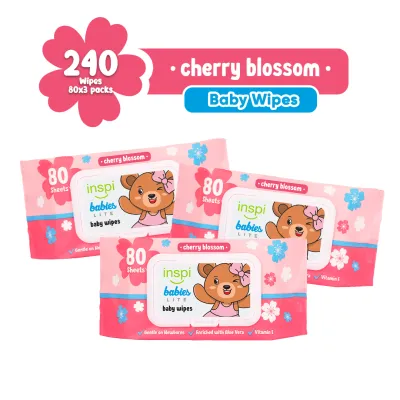
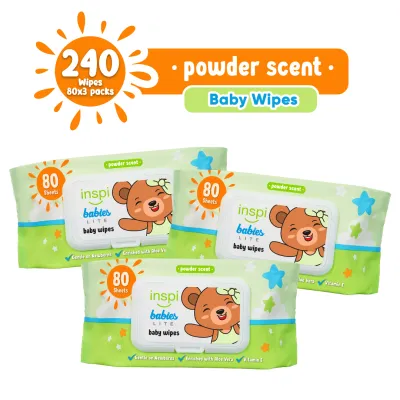
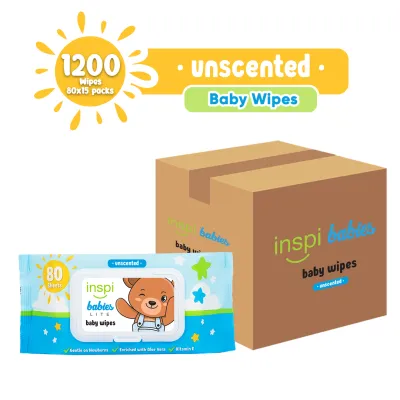
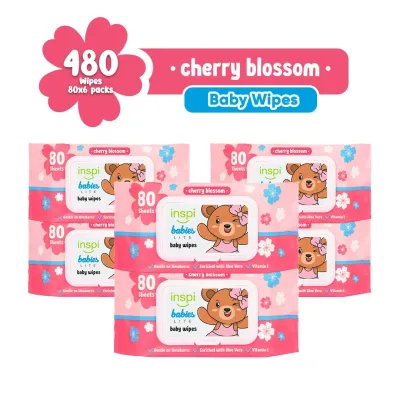

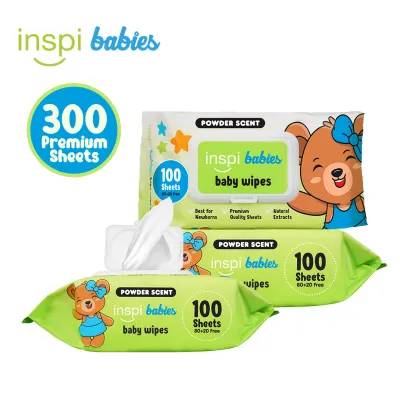
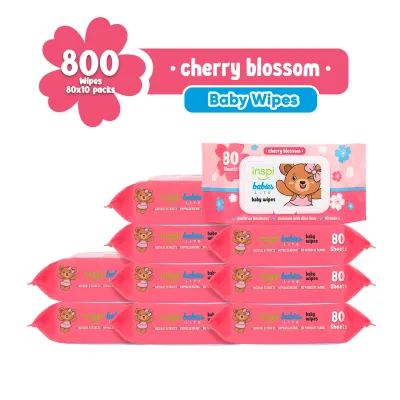
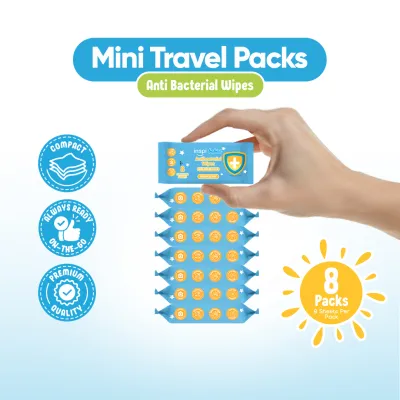
Prices are valid at publication and may change. Please refer to the product page for the latest price.
Core Dimensions for Comparing Sensitive Skin Wipes
Evaluating baby wipes for sensitive skin requires an objective framework that goes beyond brand popularity. Parents must assess three primary dimensions: ingredient transparency, material texture, and formulation balance.
Ingredient Transparency and Chemical Safety
The ingredient list is the most critical element when assessing any wipe for sensitive skin. Many commercial wipes contain hidden irritants such as methylisothiazolinone (MI), parabens, or synthetic fragrances designed to mask odors. In a warm and humid climate, these chemicals can trap moisture against the skin, leading to contact dermatitis. Parents should prioritize brands that clearly list every ingredient and avoid those with vague terms like “parfum” or “active fresh scent,” which often mask complex chemical mixtures.
Material Composition and Friction Reduction
The physical fabric of the wipe plays a significant role in skin health. Wipes are generally made from either synthetic polyester blends or plant-based fibers like viscose, rayon, or cotton. Synthetic fibers tend to be less absorbent and can create more friction against the skin during wiping. Plant-based fibers are typically softer and hold moisture better, allowing parents to clean messes with fewer passes. Additionally, embossed textures—such as raised cross-grid patterns—can help lift stool efficiently, minimizing the physical rubbing that damages the skin barrier.
Moisture Retention and Preservative Balance
A sensitive skin wipe must maintain a high moisture content to glide smoothly over the skin. However, high moisture in a warm environment creates a breeding ground for bacteria and mold. Therefore, safe and mild preservatives are necessary to keep the wipes hygienic. The key is to look for formulations that use gentle, food-grade preservatives rather than harsh chemicals. The water used in the formulation should also be highly purified, often labeled as EDI (Electrodeionization) purified water, to ensure no trace minerals or contaminants irritate the skin.
Evaluating Inspi Baby Wipes: Label and Specification Checks
When holding a pack of Inspi baby wipes, parents can perform several direct checks to verify if the product meets the standards required for sensitive skin.

Verifying Hypoallergenic and Dermatological Claims
Look closely at the front and back of the Inspi packaging for specific certification seals. Claims like “hypoallergenic” or “dermatologically tested” indicate that the formulation has undergone testing to minimize allergic reactions. However, because these terms are not always globally standardized, parents should look for supporting details, such as references to independent laboratory testing or specific skin-safety certifications printed on the label.
Checking the pH Balance Indication
A healthy baby’s skin has a naturally acidic pH of approximately 5.5, which helps maintain the protective acid mantle. Using wipes that are highly alkaline can disrupt this barrier, making the skin more susceptible to bacterial infections and diaper rash. Check the Inspi packaging for a “pH-balanced” label. A formulation that matches the natural acidity of the skin helps preserve the skin’s natural defenses, especially during long hours between diaper changes in humid weather.
Analyzing the Ingredient List and Botanical Additives
Turn the pack over to read the full ingredient list. A shorter list is generally safer for sensitive skin because it reduces the statistical likelihood of an adverse reaction. Note the presence of any botanical extracts, such as aloe vera, chamomile, or tea tree oil. While these ingredients are often highlighted for their soothing properties, they can occasionally cause localized allergic reactions in babies with extremely sensitive skin or pre-existing eczema. If your baby has reactive skin, a minimalist formula with fewer plant extracts may be preferable.
Assessing Value, Sizing, and Accessibility
Beyond skin safety, practical factors like cost-effectiveness, packaging design, and ease of purchasing play a major role in a parent’s daily routine.
Calculating the True Cost per Sheet
Comparing overall pack prices can be misleading, as sheet counts vary widely between brands. To find the true value of Inspi wipes compared to competitors, use a simple cost-per-wipe calculation. Divide the retail price of the pack (in ₱) by the total number of wipes inside. For example, a pack priced at ₱85 containing 80 sheets costs approximately ₱1.06 per wipe. Performing this calculation across different brands helps you identify which product offers the best long-term value for your household budget.
Evaluating Packaging and Moisture Retention
The design of the pack closure is highly important in the Philippines. High ambient temperatures can cause the moisture in baby wipes to evaporate quickly once the package is opened. Wipes with a plastic flip-top lid provide a much better seal than those relying solely on a sticker closure. Sticker seals tend to lose their stickiness when exposed to dust, baby powder, or humidity, leading to dried-out, unusable wipes. A secure flip-top lid ensures that every sheet remains moist and effective from the first to the last.
Ensuring Reliable Sourcing and Availability
Consistent availability is crucial to avoid sudden brand switches, which can upset a baby’s skin. Check if Inspi wipes are readily stocked in your local supermarkets, pharmacies, or official online brand stores. Purchasing from authorized channels ensures that the products have been stored in temperature-controlled environments, preserving the integrity of the preservatives. Avoid buying from unauthorized third-party sellers on online marketplaces, as improper storage can lead to bacterial contamination or dried-out stock.
Decision Framework: Choosing Between Inspi and Alternatives
To make the final choice between Inspi baby wipes and other popular brands, parents can follow a structured decision framework based on their specific observations.
When to Choose Inspi Baby Wipes
- Ingredient Match: The ingredient list on the pack is free from your baby's known skin triggers, such as specific fragrances or parabens.
- Texture and Thickness: The physical thickness and softness of the wipe are sufficient to clean your baby comfortably without tearing.
- Budget Alignment: The calculated cost-per-wipe (₱) fits sustainably within your family's monthly diapering expenses.
When to Choose an Alternative Brand
- Specialized Skin Needs: Your baby has extremely reactive skin that requires a medical-grade, 99% water-based wipe with zero botanical additives.
- Heavy-Duty Cleaning: You prefer an extra-thick, heavily embossed wipe to handle messy solid-food stools with a single sheet.
- Packaging Preference: You require a specific travel-sized pack or a dispenser system that is not available in the Inspi product line.
When to Consult a Professional
If your baby exhibits persistent redness, swelling, peeling, or signs of discomfort during diaper changes, stop using all wet wipes immediately. Switch to using plain water and soft cotton balls, and consult a pediatrician or pediatric dermatologist. A medical professional can help identify the exact allergen or prescribe appropriate treatment for diaper dermatitis.
Frequently Asked Questions (FAQ)
How do I perform a safe patch test for a new wipe brand?
To perform a safe patch test, take a single wipe from the new pack and gently swipe a small amount of its moisture onto a discreet area of your baby’s skin, such as the inner forearm or behind the ear. Do not rub vigorously. Observe the area closely for 24 to 48 hours. Look for any signs of irritation, such as redness, swelling, tiny bumps, or a rash. If any of these red flags appear, stop using the wipes immediately, wash the tested area with plain, cool water, and consult your pediatrician if the irritation persists.
Are water wipes always better than formulated wipes for sensitive skin?
High-water-content wipes minimize exposure to complex chemical ingredients, making them an excellent choice for newborns with highly reactive skin. However, they may lack the mild cleansing agents needed to break down stubborn, oily diaper messes easily, which can lead to increased physical friction and rubbing during cleanup. Formulated wipes often include mild surfactants and soothing emollients that help lift messes quickly with minimal friction. The best choice depends on your baby’s specific skin tolerance and whether you prioritize minimizing ingredients or reducing physical wiping friction.
Community discussion
Share your experience or ask a question. Comments are reviewed before publication.