
Protecting your baby from mosquito bites is a top priority, especially during humid rainy seasons when mosquito-borne illnesses like dengue become a major concern. When looking for convenient solutions, insect repellent bracelets often stand out as an appealing, mess-free option. However, the safety of insect repellent bracelets for babies under 2 years old is not universally guaranteed. Whether a specific band is safe or effective for your little one depends heavily on a combination of physical design factors, chemical ingredients, and how the product is used. Before fastening one of these colorful bands onto your child, it is crucial to understand both the physical and chemical risks they may pose to developing bodies.
Most insect repellent bracelets work by incorporating active ingredients—typically natural essential oils like citronella, lemongrass, or peppermint, or sometimes synthetic chemical repellents—into a silicone, plastic, or microfiber band. These ingredients are designed to evaporate slowly, creating a localized vapor barrier that masks the human scents that attract mosquitoes. While this mechanism sounds highly convenient, it has significant practical limitations. The protective vapor cloud generated by a single wristband is highly localized, meaning it offers very limited protection beyond the immediate area of the band itself. It does not provide the comprehensive, full-body coverage that active toddlers need when playing outdoors. Furthermore, any claims regarding how long these bracelets remain effective or how well they repel specific pests must be verified by carefully reading the independent testing labels and manufacturer specifications on the product packaging.
Evaluating Safety Risks for Infants and Toddlers Under 2
When assessing whether to use an insect repellent bracelet on an infant or toddler, parents must carefully weigh the potential benefits against two primary categories of risk: chemical exposure and physical hazards. Because babies under 2 years old are in a rapid stage of physical and cognitive development, their bodies interact with wearable accessories much differently than older children or adults do. Before introducing any wearable repellent into your baby’s environment, it is highly recommended to consult your pediatrician to evaluate these risks against the specific pest exposure levels in your local area.
Products mentioned in this guide
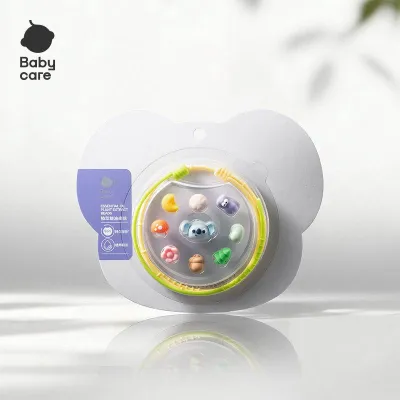
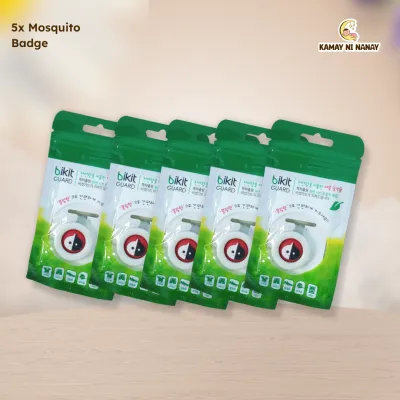
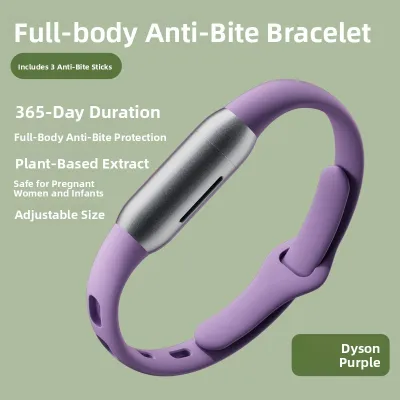
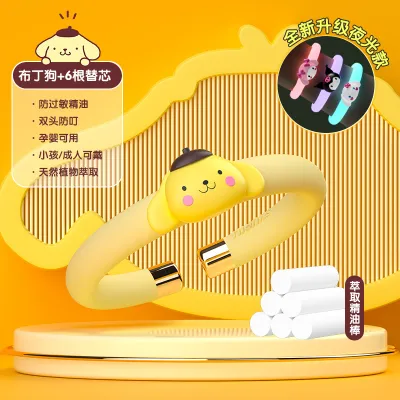
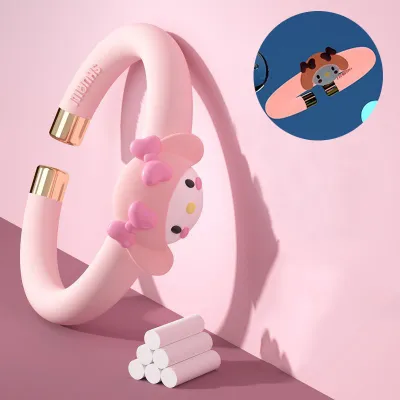
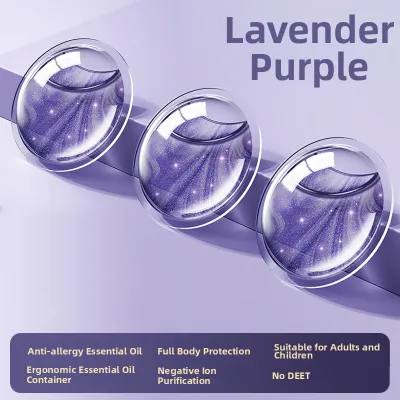

Prices are valid at publication and may change. Please refer to the product page for the latest price.
Chemical Exposure and Skin Sensitivities
The chemical composition of insect repellent bracelets is a primary concern for young children. Many of these products rely on highly concentrated essential oils to achieve their repellent effect. While these oils are often marketed as natural and safe, they can cause contact dermatitis, skin redness, or localized swelling if they come into direct contact with an infant’s delicate skin. Additionally, the strong vapors emitted by concentrated oils can trigger respiratory irritation or coughing, particularly in enclosed spaces like a car or a nursery.
Infants have much thinner, more permeable skin than adults, which significantly increases the risk of systemic absorption of any chemical or oil held against their body. Their metabolic systems are also still developing, making it harder for their bodies to process and eliminate absorbed substances. To mitigate these risks, parents must carefully inspect product packaging for explicit pediatric dermatological testing claims and check for any age-specific warnings. If a product label does not clearly state that it is safe for infants under 2 years of age, it should not be placed on or near your baby.
Physical Hazards Like Choking and Strangulation
Beyond chemical concerns, wearable accessories present serious mechanical dangers to active infants and toddlers. A bracelet worn on a baby’s wrist or ankle can easily become a strangulation hazard if it catches on crib rails, stroller parts, toys, or loose clothing during play or sleep. Because infants are constantly moving and exploring their environments, any loose band or cord poses a risk of trapping a limb or restricting blood flow.
Choking is another critical hazard associated with these products. Babies under 2 years old naturally explore the world by putting objects into their mouths. A soft silicone or fabric bracelet is highly tempting for a teething baby to chew on, which can lead to the direct ingestion of concentrated repellent chemicals. Additionally, many children’s repellent bands feature small decorative characters, plastic clasps, or removable active ingredient cartridges. If these small parts detach, they can easily become a life-threatening choking hazard. Because of these physical risks, continuous, direct adult supervision is a mandatory condition if a repellent bracelet is worn anywhere on your child’s body.
Decoding Product Labels and Active Ingredients
To make an informed decision, parents must learn how to carefully read and decode the product labels on insect repellent packaging. Never purchase a repellent bracelet that lacks a clear, comprehensive list of active ingredients, concentration percentages, and manufacturer contact details. Legitimate manufacturers provide transparent labeling to help consumers verify safety and suitability before purchase.

When reviewing the active ingredients, you will commonly find natural plant oils such as citronella, eucalyptus, peppermint, lavender, or geraniol. While these ingredients are popular, they are not automatically safe for all age groups. For example, certain natural oils are known to be too harsh for very young infants, and some regulatory bodies advise against using specific formulations on children under certain ages. Always look for explicit age restrictions on the packaging, such as “not suitable for children under 2 years” or “keep out of reach of infants.” If the label is vague, uses unverified safety claims, or fails to disclose the exact ingredients, it is best to avoid the product entirely and choose a more transparent alternative.
Safer Mosquito Protection Alternatives for Babies
Fortunately, there are several highly effective, widely accepted methods for protecting infants from mosquito bites that do not rely on wearable chemical accessories. For babies under 2 years old, physical barriers are the safest and most reliable line of defense against mosquitoes and other biting insects. Dressing your baby in lightweight, loose-fitting, long-sleeved shirts and long pants provides excellent physical protection while keeping them cool in warm, humid tropical climates. Choosing light-colored clothing is also beneficial, as dark colors tend to attract mosquitoes.
When outdoors or on the move, a properly fitted mosquito net designed for strollers, infant carriers, or playpens is incredibly effective. These fine-mesh nets block insects physically without introducing any chemical vapors or physical choking hazards to your baby’s immediate breathing space. Around the home, environmental controls are equally vital. Regularly inspecting your property to remove any standing water in flower pots, buckets, or drains helps eliminate mosquito breeding grounds. Ensuring that window and door screens are intact and fully sealed will also keep pests from entering your living spaces.
If you are considering topical insect repellents, remember that they should only be used under the direct guidance of a pediatrician for children under 2 years old. When recommended by a healthcare professional, topical repellents must be applied strictly according to the manufacturer’s instructions, avoiding the baby’s hands, eyes, mouth, and any irritated skin to prevent accidental ingestion or irritation.
Harm Reduction and Safe Usage Guidelines
If you decide to use an insect repellent bracelet, you can significantly reduce the associated risks by practicing strict harm reduction strategies. The most effective way to minimize both chemical and physical hazards is to avoid placing the bracelet directly on your baby’s skin, wrist, or ankle. Instead, attach the bracelet securely to an external object that remains close to the baby but out of their physical reach. Good options include the frame of a stroller, the outside of a diaper bag, or nearby patio furniture. This allows the repellent vapors to work in the immediate area without exposing your baby’s skin to direct contact or creating a choking hazard.
Before every single use, perform a thorough physical inspection of the bracelet. Check for any signs of wear, tears, fraying, or loose parts. If the bracelet has a removable active ingredient pellet or cartridge, ensure it is locked securely in place and cannot be pried loose by curious little fingers. If the material shows any signs of degradation, discard it immediately.
Finally, establish clear stop-use conditions and monitor your baby closely while the product is nearby. If you notice any signs of skin redness, hives, or itching where the bracelet may have brushed against the skin, remove it immediately and wash the area with mild soap and water. Similarly, if your baby exhibits respiratory symptoms like coughing, wheezing, or sneezing, or shows signs of behavioral irritation and unusual fussiness, discontinue use right away. If these symptoms persist after removing the product, consult a qualified healthcare professional immediately.
Frequently Asked Questions (FAQ)
Can I use citronella oil directly on my baby's skin instead of a bracelet?
No, you should never apply undiluted citronella oil or any other pure essential oil directly to your baby’s skin. Concentrated essential oils are highly potent and can cause severe skin irritation, chemical burns, or allergic reactions on an infant’s thin and sensitive skin. If you wish to use a citronella-based product, always check the product label for specific age restrictions, dilution requirements, and pediatric safety clearances. It is always safest to consult your pediatrician before applying any botanical or chemical repellent directly to a child under 2 years old.
Do ultrasonic mosquito repellent clips work for infants?
The efficacy claims of ultrasonic mosquito repellent devices and clips are highly debated, and many scientific studies suggest they offer little to no practical protection against mosquitoes. If you choose to use an electronic clip-on device, you must prioritize physical safety checks. Ensure that the device’s battery compartment is securely screwed shut and cannot be opened by a child, as the small button batteries inside pose a severe, life-threatening choking and chemical burn hazard if swallowed. Always keep such devices clipped well out of your baby’s reach.
Community discussion
Share your experience or ask a question. Comments are reviewed before publication.